Celiac Disease Nutritionists and Dietitians in Manhattan, MT
There are no results for health professionals in Manhattan
Check out health professionals located nearby or offering Teletherapy in Montana below.More Dietitians and Nutritionists Nearby

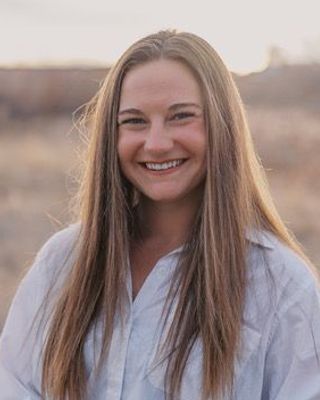
Hi, I’m Kandon, a Montana-based registered dietitian and the founder of Wild & Rooted Nutrition Co.
I help people build more peaceful, trusting relationships with food, movement and their bodies—whether they're navigating chronic conditions like diabetes, PCOS, or Hashimoto’s to gastrointestinal health, eating disorders, or healing from disordered eating and the stress of diet culture.
Hi, I’m Kandon, a Montana-based registered dietitian and the founder of Wild & Rooted Nutrition Co.
I help people build more peaceful, trusting relationships with food, movement and their bodies—whether they're navigating chronic conditions like diabetes, PCOS, or Hashimoto’s to gastrointestinal health, eating disorders, or healing from disordered eating and the stress of diet culture.
GI conditions I work with include IBS, SIBO, GERD, IBD (Crohn’s/UC), celiac disease, gastroparesis, functional dyspepsia, chronic constipation/diarrhea, dumping syndrome, short bowel syndrome, and bile acid malabsorption.
Ongoing GI symptoms can make eating feel unpredictable and overwhelming, sometimes shrinking food choices or creating fear around meals. Over time, that stress can affect how you relate to food and your body, especially when you are also trying to manage a chronic condition or sort through conflicting nutrition advice. Most people simply want to feel better physically, find lasting relief, and regain confidence in how they nourish themselves. Care should feel compassionate, personalized, and grounded in what matters most to you.
GI conditions I work with include IBS, SIBO, GERD, IBD (Crohn’s/UC), celiac disease, gastroparesis, functional dyspepsia, chronic constipation/diarrhea, dumping syndrome, short bowel syndrome, and bile acid malabsorption.
Ongoing GI symptoms can make eating feel unpredictable and overwhelming, sometimes shrinking food choices or creating fear around meals. Over time, that stress can affect how you relate to food and your body, especially when you are also trying to manage a chronic condition or sort through conflicting nutrition advice. Most people simply want to feel better physically, find lasting relief, and regain confidence in how they nourish themselves. Care should feel compassionate, personalized, and grounded in what matters most to you.
When food challenges us we often don’t know what next steps to take. Diets don’t work because restriction of food goes against our very nature. What does work is a willingness to look at habits and beliefs that define your life. The awareness of how we are with food is the keystone to changing unhealthy behaviors. And that awareness can positively effect our relationship with food forever.
When food challenges us we often don’t know what next steps to take. Diets don’t work because restriction of food goes against our very nature. What does work is a willingness to look at habits and beliefs that define your life. The awareness of how we are with food is the keystone to changing unhealthy behaviors. And that awareness can positively effect our relationship with food forever.
If you feel exhausted by constant food worries or noise, stuck in patterns that leave you drained, or feel like your body is always something to fix, you're not alone. Many of my clients are tired of dieting, feel they’ve failed at eating the “right” way, or are experiencing disordered eating while also managing ADHD or autism. I offer nutrition support that is grounded, compassionate, and personalized. Providing nutrition education and guidance that helps you feel better both physically and emotionally without judgement or pressure.
If you feel exhausted by constant food worries or noise, stuck in patterns that leave you drained, or feel like your body is always something to fix, you're not alone. Many of my clients are tired of dieting, feel they’ve failed at eating the “right” way, or are experiencing disordered eating while also managing ADHD or autism. I offer nutrition support that is grounded, compassionate, and personalized. Providing nutrition education and guidance that helps you feel better both physically and emotionally without judgement or pressure.

Do you or a family member have stress or anxiety around food, eating or body image? Do you notice yourself feeling anxious about what may be served for dinner? Do you ever feel discouraged because the last diet you tried "didn't work"? If you are a person that struggles with an eating disorder, chronic dieting, body image dissatisfaction, over/under eating, or emotional eating, I am here to help and you are not alone in this journey. I believe you can love your body and food simultaneously. It is possible for you to have a healthy relationship with food and your body so you can enjoy your life again.
Do you or a family member have stress or anxiety around food, eating or body image? Do you notice yourself feeling anxious about what may be served for dinner? Do you ever feel discouraged because the last diet you tried "didn't work"? If you are a person that struggles with an eating disorder, chronic dieting, body image dissatisfaction, over/under eating, or emotional eating, I am here to help and you are not alone in this journey. I believe you can love your body and food simultaneously. It is possible for you to have a healthy relationship with food and your body so you can enjoy your life again.
Celiac Disease Nutritionists and Dietitians
What is celiac disease?
Celiac disease is an autoimmune disorder in which the consumption of gluten, a protein found in wheat, barley, and rye, triggers a significant immune response within the body. This response damages the small intestine, specifically targeting the villi—small projections within the gut that are crucial for nutrient absorption. The destruction of these villi leads to malabsorption of essential nutrients, resulting in symptoms such as malnutrition, osteopenia, gastrointestinal distress, and deficiencies in vitamins and minerals. Fortunately, most individuals with celiac disease can manage their symptoms effectively by following a gluten-free diet, which often includes alternatives like rice-based products.
What foods are not allowed if you have celiac disease?
Since gluten is present in foods containing wheat, barley, or rye, consuming products with these ingredients can trigger celiac disease symptoms. Common sources of gluten include bread, pasta, baked goods, crackers, and cereal products. However, gluten can also be found in unexpected places, such as certain milk-based products, salad dressings, processed meats, and energy/nutrition bars. To avoid accidental gluten consumption, individuals with celiac disease should check ingredient labels and be aware of ingredients derived from gluten-containing grains, such as malt from barley.
What diet is best for people with celiac disease?
A gluten-free diet is the most effective way to manage the symptoms of celiac disease. The increasing availability of "gluten-free" products, along with the abundance of naturally gluten-free grains such as rice, potatoes, oats, quinoa, and corn, has made it easier to maintain a gluten-free lifestyle. Other than reducing or eliminating the consumption of gluten, however, there is no single diet that is best for individuals with celiac disease. Even without gluten, individuals can consume a balanced diet that includes fruits, vegetables, whole grains, and high-quality sources of protein. Indeed, consuming foods rich in vitamins and minerals is particularly important for those with celiac disease, as they often experience nutrient deficiencies due to malabsorption issues prior to diagnosis.
How can a dietitian help with celiac disease?
Dietitians can help with celiac disease by providing guidance on how to maintain a healthy gluten-free lifestyle. They can provide tips on how to avoid gluten-containing foods, including foods that may be at high-risk of gluten contamination. They can also offer substitution recommendations that ensure clients still consume enough healthy grains within their diet, and they can help clients navigate other resources that may be helpful in the management of their disease. In some cases, a dietitian may assist in identifying a gluten sensitivity; although registered dietitians (RDs) can't officially diagnose celiac disease, they may be particularly familiar with celiac disease symptoms and be able to help clients connect to a medical professional for further testing and treatment if they suspect a client may have the condition.