Autoimmune Diseases Nutritionists and Dietitians in Deer Park, WA
There are no results for health professionals in Deer Park
Check out health professionals located nearby or offering Teletherapy in Washington below.More Dietitians and Nutritionists Nearby
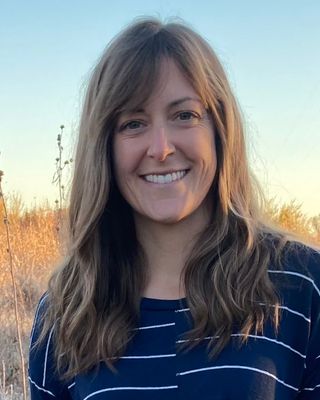
Through my experience, I have fine-tuned my focus areas towards gastrointestinal disorders, autoimmune conditions, sports nutrition, intuitive eating and disease prevention.
I offer a integrative approach to care, considering the interconnected relationships between food patterns and habits, physical activity and movement, stress management and resilience, sleep quality and restoration as well as other lifestyle factors.
Through my experience, I have fine-tuned my focus areas towards gastrointestinal disorders, autoimmune conditions, sports nutrition, intuitive eating and disease prevention.
I offer a integrative approach to care, considering the interconnected relationships between food patterns and habits, physical activity and movement, stress management and resilience, sleep quality and restoration as well as other lifestyle factors.

"One cannot think well, love well, sleep well, if one has not dined well." -Virginia Woolf. Food is an integral part of our lives and has the power to transform our mood, appearance and self worth. I work with my clients on their relationship with food to achieve the best version of themselves through balanced nutrition. I use a personalized approach to address specific nutritional needs that truly result in success. My ideal client may be confused about nutrition, struggle with not knowing what to eat to heal their body, experience weight instability or obsess over food choices.
"One cannot think well, love well, sleep well, if one has not dined well." -Virginia Woolf. Food is an integral part of our lives and has the power to transform our mood, appearance and self worth. I work with my clients on their relationship with food to achieve the best version of themselves through balanced nutrition. I use a personalized approach to address specific nutritional needs that truly result in success. My ideal client may be confused about nutrition, struggle with not knowing what to eat to heal their body, experience weight instability or obsess over food choices.

As both a Sports-, and Eating Disorders Dietitian, I've had the pleasure of helping athletes achieve personal records, recover faster, heal from injuries, and reach new levels of performance, in addition to helping people improve their relationship with food and their body as they navigate recovery from an eating disorder or disordered eating.
As both a Sports-, and Eating Disorders Dietitian, I've had the pleasure of helping athletes achieve personal records, recover faster, heal from injuries, and reach new levels of performance, in addition to helping people improve their relationship with food and their body as they navigate recovery from an eating disorder or disordered eating.

As a nutrition educator I can help you learn about how food affects your health. As a nutrition counselor, I can help you with motivation and making sustainable changes while supporting your culture, preferences and lifestyle.
As a nutrition educator I can help you learn about how food affects your health. As a nutrition counselor, I can help you with motivation and making sustainable changes while supporting your culture, preferences and lifestyle.
Autoimmune Diseases Nutritionists and Dietitians
What are autoimmune diseases?
Autoimmune conditions are diseases characterized by the over-activation of the body's immune system. There are many types of autoimmune diseases, each varying in symptoms, severity, and affected areas. Widely known autoimmune diseases include rheumatoid arthritis (RA), psoriasis, multiple sclerosis, type 1 diabetes, Addison's disease, and scleroderma. While the causes of autoimmune diseases are often unknown, many people manage their symptoms with medications (such as anti-inflammatory or immunosuppressive drugs) and lifestyle changes, such as diet and exercise modifications.
How can nutrition help with autoimmune diseases?
While there is little evidence to suggest that autoimmune conditions can be cured through diet, many individuals with autoimmune conditions may benefit from nutrition changes to reduce autoimmune symptoms. Since autoimmune conditions are characterized by high levels of inflammation, including anti-inflammatory foods in one's diet may be particularly important for those with autoimmune conditions. Foods high in omega-3 fatty acids, commonly found in fish like salmon, have been shown to reduce inflammation, as have fruits and vegetables that contain anti-inflammatory nutrients as well as fiber that can support a healthy gut microbiome.
What diet is best for autoimmune diseases?
Due to the diverse types and symptoms of autoimmune diseases, there is no single best diet for all individuals with these conditions. However, evidence suggests that certain diets can benefit specific autoimmune diseases. For instance, individuals with rheumatoid arthritis (RA) often benefit from consuming foods with anti-inflammatory properties, such as omega-3-rich fish like salmon, various fruits, and leafy vegetables. Conversely, foods that promote inflammation—such as sodas, processed meats, white flour, sugary snacks, and deep-fried items—can exacerbate RA symptoms. Keeping a dietary journal to track food intake and symptoms can help individuals with any autoimmune condition identify which foods affect their autoimmune symptoms and make necessary changes.
Does nutrition counseling work for people with autoimmune diseases?
Nutrition counseling can be highly beneficial for individuals with autoimmune diseases, especially when other symptom management strategies have not been effective. A dietitian can help clients identify foods that exacerbate their autoimmune symptoms and develop a plan to reduce or eliminate these foods while maintaining their nutritional needs. Additionally, dietitians often have specific expertise in working with clients with certain autoimmune conditions closely linked to dietary intake, such as type 1 diabetes. In these cases, dietitians may be able to provide specialized guidance and create a tailored nutrition plan for the client based on their expertise.