Geriatric Nutritionists and Dietitians in Papillion, NE
There are no results for health professionals in Papillion
Check out health professionals located nearby or offering Teletherapy in Nebraska below.More Dietitians and Nutritionists Nearby

My ideal client can be of any age or background. They may be seeking weight loss, better performance, improved labs, muscle gain, or a healthier relationship with food. What matters most is that they’re open to problem-solving—willing to examine habits with curiosity, apply evidence practically, and use accountability to measure progress. They understand that change requires consistency, reflection, and course correction; if they’re not fully ready, they’re willing to explore what’s in the way.
My ideal client can be of any age or background. They may be seeking weight loss, better performance, improved labs, muscle gain, or a healthier relationship with food. What matters most is that they’re open to problem-solving—willing to examine habits with curiosity, apply evidence practically, and use accountability to measure progress. They understand that change requires consistency, reflection, and course correction; if they’re not fully ready, they’re willing to explore what’s in the way.
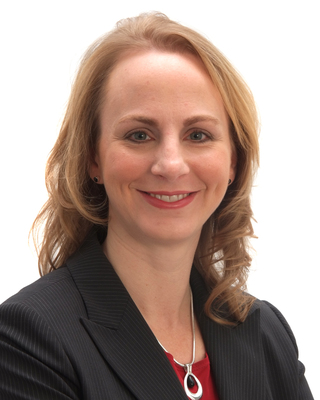
Rebecca will personalize a nutrition plan, specifically tailored to your lifestyle and preferences- whether you need to control diabetes, lose weight, adjust your diet for pregnancy, or train for a marathon. Rebecca's vast knowlege and practical tips have helped thousands of clients achieve success, over the last 15 years. She listens closely to your needs, and will help you to understand changes necessary for long term success. Rebecca will help to keep you motivated throughout the process and provide you with tools to last a lifetime.
Rebecca will personalize a nutrition plan, specifically tailored to your lifestyle and preferences- whether you need to control diabetes, lose weight, adjust your diet for pregnancy, or train for a marathon. Rebecca's vast knowlege and practical tips have helped thousands of clients achieve success, over the last 15 years. She listens closely to your needs, and will help you to understand changes necessary for long term success. Rebecca will help to keep you motivated throughout the process and provide you with tools to last a lifetime.
Geriatric Nutritionists and Dietitians
How does nutrition affect aging?
Nutrition significantly influences the aging process through various interconnected mechanisms. As people age, they tend to accumulate more body fat due to muscle loss, which can compromise physical health and limit their ability to engage in sufficient physical activity. Additionally, older adults generally have lower calorie requirements compared to younger individuals. If coupled with poor dietary choices, this reduced calorie need can contribute to obesity, which not only accelerates aging but also places added stress on joints and the cardiovascular system. Consequently, inadequate nutrition can increase the risk of chronic diseases like cardiovascular disease and kidney disease, ultimately reducing life expectancy and overall health in older adults.
Why is nutrition important for older adults?
Nutrition is essential for the health and well-being of older adults. A balanced and nutrient-rich diet supports both physical and mental health, providing the necessary foundation for physical and mental strength. Proper nutrition is also crucial for wound healing and immune function, both of which are important for recovery from illnesses or injuries that may occur with aging. Additionally, targeted dietary modifications can help older adults manage chronic conditions and maintain their independence. For example, a diet low in sugar is beneficial for those with diabetes, while reducing sodium and saturated fats is important for those with cardiovascular disease. These dietary adjustments are critical at any age but are particularly vital for older adults, who may be at an increased risk of chronic conditions becoming more severe. Lastly, the social aspect of eating is also significant for older adults. Sharing meals with others or participating in communal dining settings can reduce social isolation and foster a sense of community.
What diet is best for geriatric patients?
There is no universally best diet for geriatric patients. However, experts generally recommend that older adults consume a balanced, plant-based diet rich in fruits, vegetables, whole grains, and low-fat proteins. Since older adults typically have lower caloric needs compared to younger adults, it is often advised that they be mindful of portion sizes and limit the consumption of high-calorie foods, particularly those high in added sugars and saturated fats. Some older adults may not experience normal hunger cues, making it challenging for them to meet even their reduced caloric needs. In such cases, focusing on nutrient-dense and protein-rich foods—such as whole grains, lean meats, seafood, poultry, eggs, beans, and dairy—can be crucial to support healthy aging.
Why should older adults see a dietitian?
Seeing a dietitian can be highly beneficial for older adults, whether they have specific nutrition-related concerns or consider themselves mostly healthy. A dietitian can review a client's dietary intake, identify areas for improvement, and ensure adequate nutrient and caloric intake. They can also tailor dietary recommendations to address or prevent specific conditions. For example, older women at risk for osteoporosis may benefit from learning about vitamins and foods that support bone health. Additionally, aging can bring changes in taste, smell, and hunger cues, which can alter food preferences and make it difficult for older adults to enjoy food or meet their nutritional needs. A dietitian can help navigate these changes, offering suggestions on how to meet nutrient requirements through diet supplementation or creative recipes.