Crohn's Nutritionists and Dietitians in Holland, MI
There are no results for health professionals in Holland
Check out health professionals located nearby or offering Teletherapy in Michigan below.More Dietitians and Nutritionists Nearby
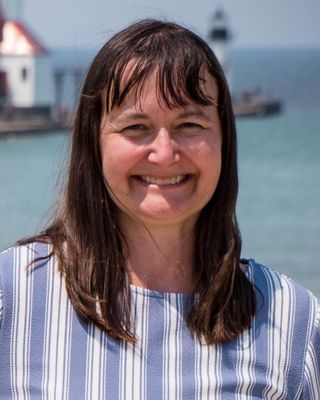
My passion as a Registered Dietitian Nutritionist in St. Joseph, Michigan, is working with clients whom need and desire nutritional counseling to help prevent or treat a specific disease or condition. I work with you to turn your health around. I provide individualized nutrition counseling, food sensitivities testing, corporate or organizational nutrition seminars, dining out sessions, and grocery store tours. My goal is to help you achieve a healthier lifestyle and remove the dieting from your daily routine.
My passion as a Registered Dietitian Nutritionist in St. Joseph, Michigan, is working with clients whom need and desire nutritional counseling to help prevent or treat a specific disease or condition. I work with you to turn your health around. I provide individualized nutrition counseling, food sensitivities testing, corporate or organizational nutrition seminars, dining out sessions, and grocery store tours. My goal is to help you achieve a healthier lifestyle and remove the dieting from your daily routine.
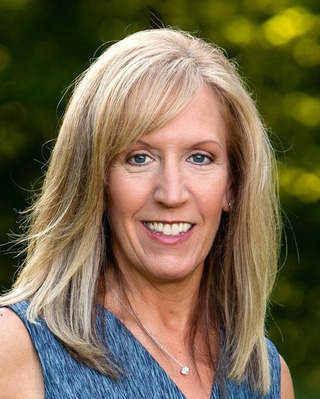
I help people who are struggling with gut health problems, such as chronic bloating, irregularity, irritable bowel syndrome (IBS) and low energy, and those who feel frustrated because they aren’t sure which foods to eat anymore or how to manage their symptoms. Gut health problems frequently lead to other health issues, such as mood disorders, headaches, skin conditions, and weight loss resistance. I help my clients implement a highly personalized plan to promote healing in their gut to reduce bloating, regulate digestion, feel confident in their food choices, and enjoy an energetic lifestyle again.
I help people who are struggling with gut health problems, such as chronic bloating, irregularity, irritable bowel syndrome (IBS) and low energy, and those who feel frustrated because they aren’t sure which foods to eat anymore or how to manage their symptoms. Gut health problems frequently lead to other health issues, such as mood disorders, headaches, skin conditions, and weight loss resistance. I help my clients implement a highly personalized plan to promote healing in their gut to reduce bloating, regulate digestion, feel confident in their food choices, and enjoy an energetic lifestyle again.
Crohn's Nutritionists and Dietitians
What is Crohn's disease?
Crohn's disease is a type of inflammatory bowel disease (IBD) characterized by inflammation in the intestines. It is considered an autoimmune condition, where the immune system becomes overactive in the lining of the digestive tract, causing symptoms such as abdominal pain, cramping, bloating, and the presence of blood or mucus in the stool. People with Crohn's disease can experience complications like infections and malnutrition and have an increased risk of colorectal cancer. Unfortunately, there are few definitive treatments for Crohn's disease. However, some patients are prescribed immunosuppressant drugs or steroids, which reduce the immune response and can help reduce symptoms of the disease.
Can Crohn's disease be cured with proper nutrition?
There is little evidence to suggest that Crohn's disease can be cured through nutrition. However, certain foods may worsen symptoms or trigger flare-ups. Common examples include dairy products, high-fat foods, processed meats, high-fiber foods, and beverages containing alcohol or sugar alcohol. People with Crohn's disease are generally advised to avoid foods that exacerbate their symptoms and to focus on consuming regular meals with adequate protein and nutrient density to prevent malnutrition.
What can you eat if you have Crohn's disease?
With the exception of avoiding foods that may exacerbate symptoms, individuals with Crohn's disease are often advised to consume a normal diet. Since Crohn's disease is an autoimmune condition and not caused by specific foods, it is generally recommended that individuals eat a regular and balanced diet as much as they can tolerate.
Should people with Crohn's disease see a dietitian?
People with Crohn's disease are at a greater risk of malnutrition and weight loss, as well as nutrient deficiencies, due to the poor absorption within the digestive track that can occur as a result of the disease. Therefore, dietitians can be highly beneficial to people with Crohn's disease to minimize the potential effects of malnutrition and ensure daily nutrient needs are being met. They may help people with Crohn's disease identify foods that contain sufficient calories and nutrients but minimize symptoms, such as suggesting iron-rich foods for clients with anemia. People with Crohn's disease also often experience flare-ups followed by periods of relief, so dietitians may be helpful in assisting clients in identifying food or nutrition-related factors that may contribute to or worsen their flare-ups.