Nutritionists and Dietitians in Wyandotte County, KS
Welcome! I’m a Functional Medicine based Registered Dietitian dedicated to helping you uncover the root causes behind your health challenges—so you can heal, feel energized, and thrive. Whether you’re struggling with digestive issues (SIBO, fructose intolerance, GERD, IBS, etc), weight loss resistance, debilitating brain fog, or chronic inflammation, I use a functional, whole-body approach to identify what’s really driving your symptoms.
Welcome! I’m a Functional Medicine based Registered Dietitian dedicated to helping you uncover the root causes behind your health challenges—so you can heal, feel energized, and thrive. Whether you’re struggling with digestive issues (SIBO, fructose intolerance, GERD, IBS, etc), weight loss resistance, debilitating brain fog, or chronic inflammation, I use a functional, whole-body approach to identify what’s really driving your symptoms.
At RD2GO, our expert dietitians help busy individuals reach their health goals, whether that be weight loss, chronic disease management, macro/micronutrient meal planning, sports performance, or women's health-related. Nutrition care should be simple, accessible, and personalized. So, we're doing things a little differently by offering evening, weekend, and telehealth visit options (covered by most insurances). Meet with a registered dietitian who will truly get to the bottom of your concerns and help you build a plan forward!
At RD2GO, our expert dietitians help busy individuals reach their health goals, whether that be weight loss, chronic disease management, macro/micronutrient meal planning, sports performance, or women's health-related. Nutrition care should be simple, accessible, and personalized. So, we're doing things a little differently by offering evening, weekend, and telehealth visit options (covered by most insurances). Meet with a registered dietitian who will truly get to the bottom of your concerns and help you build a plan forward!
Registered Dietitian Nutritionist at Nourished with Sarah located at BeyondWell KC in Leawood, Kansas (USA). Providing medical nutrition therapy and nutrition counseling for those with eating disorders or disordered eating, and those with chronic illness or other nutrition concerns. Practice philosophy is from a Health-At-Every-Size, weight-inclusive approach. Telehealth is offered as well as in-office appointments. Licensed in Missouri and Kansas (USA).
Registered Dietitian Nutritionist at Nourished with Sarah located at BeyondWell KC in Leawood, Kansas (USA). Providing medical nutrition therapy and nutrition counseling for those with eating disorders or disordered eating, and those with chronic illness or other nutrition concerns. Practice philosophy is from a Health-At-Every-Size, weight-inclusive approach. Telehealth is offered as well as in-office appointments. Licensed in Missouri and Kansas (USA).
Online Dietitians and Nutritionists
Food shouldn’t be a source of stress. At Kendra’s Kustom Nutrition, I guide you towards rebuilding trust with your body, understanding your unique nutrition needs, and creating lasting changes that fit your life- not a diet.I meet you where you are with empathy, evidenced-informed nutrition counseling, and a safe space to explore your relationship with food. Binge Eating Disorder, Avoidant Restrictive Eating Disorder (ARFID), Anorexia Nervosa, Bulimia Nervosa, Emotional Eating, Disordered Eating, Poor Body Image/Food Relationship Restoration, Weight Management, Weight Loss Medications/GLP-1, Bariatric Surgery, or Perimenopause.
Food shouldn’t be a source of stress. At Kendra’s Kustom Nutrition, I guide you towards rebuilding trust with your body, understanding your unique nutrition needs, and creating lasting changes that fit your life- not a diet.I meet you where you are with empathy, evidenced-informed nutrition counseling, and a safe space to explore your relationship with food. Binge Eating Disorder, Avoidant Restrictive Eating Disorder (ARFID), Anorexia Nervosa, Bulimia Nervosa, Emotional Eating, Disordered Eating, Poor Body Image/Food Relationship Restoration, Weight Management, Weight Loss Medications/GLP-1, Bariatric Surgery, or Perimenopause.
I help women struggling with PCOS, irregular periods, weight gain, low energy/fatigue, acne, fertility concerns, and mood issues increase energy, balance hormones, and feel confident in their bodies. My clients have a history of struggling to lose weight and trying allll the diets. They often first see success, but then stop making progress and become frustrated that their efforts aren't producing results. They have a history of irregular periods or PCOS and other providers have recommended birth control and weight loss but weight loss is difficult , and birth control is not the long term solution they want.
I help women struggling with PCOS, irregular periods, weight gain, low energy/fatigue, acne, fertility concerns, and mood issues increase energy, balance hormones, and feel confident in their bodies. My clients have a history of struggling to lose weight and trying allll the diets. They often first see success, but then stop making progress and become frustrated that their efforts aren't producing results. They have a history of irregular periods or PCOS and other providers have recommended birth control and weight loss but weight loss is difficult , and birth control is not the long term solution they want.
I am a Registered Dietitian, specializing in working with athletes and individuals with eating disorders. My approach is evidence-based, compassionate, and client-centered. I believe in creating a safe space where setbacks are met with support—not judgment—and where your goals and values guide the work we do together. In addition to working with adults, I specialize in supporting adolescents as they navigate their relationship with food and body image. I partner with families to help teens build confidence around food choices, understand what their body needs for sport, and create habits that promote growth and mental well-being.
I am a Registered Dietitian, specializing in working with athletes and individuals with eating disorders. My approach is evidence-based, compassionate, and client-centered. I believe in creating a safe space where setbacks are met with support—not judgment—and where your goals and values guide the work we do together. In addition to working with adults, I specialize in supporting adolescents as they navigate their relationship with food and body image. I partner with families to help teens build confidence around food choices, understand what their body needs for sport, and create habits that promote growth and mental well-being.
Struggling with unexplained symptoms like diarrhea, constipation, migraines, IBS, or brain fog? Have you tried special diets and medications with no relief? Food sensitivities might be the hidden culprit. The Mediator Release Test (MRT) pinpoints the specific foods and chemicals triggering inflammatory responses in your body.
Struggling with unexplained symptoms like diarrhea, constipation, migraines, IBS, or brain fog? Have you tried special diets and medications with no relief? Food sensitivities might be the hidden culprit. The Mediator Release Test (MRT) pinpoints the specific foods and chemicals triggering inflammatory responses in your body.
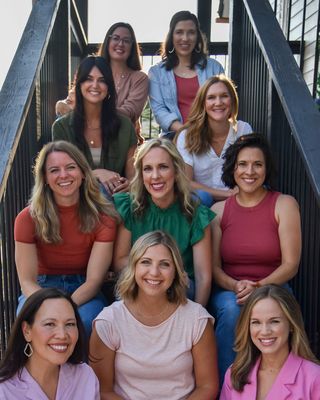
Hi there, we are the Kansas City Dietitian Collective. A group of dietitians that specialize in personalized nutrition. We take the time to get to know each of our clients to help them find sustainable lifestyle changes in whatever area in their life that feels unbalanced. This can be managing eating habits, GI issues including reflux, gastroparesis, fructose malabsorption, IBS, SIBO, auto-immunity, or general health concerns like managing cholesterol and blood pressure.
Hi there, we are the Kansas City Dietitian Collective. A group of dietitians that specialize in personalized nutrition. We take the time to get to know each of our clients to help them find sustainable lifestyle changes in whatever area in their life that feels unbalanced. This can be managing eating habits, GI issues including reflux, gastroparesis, fructose malabsorption, IBS, SIBO, auto-immunity, or general health concerns like managing cholesterol and blood pressure.
FAQs - About Nutritionists and Dietitians
How can I find a dietitian or nutritionist in Wyandotte County?
To find dietitians and nutritionists near you, input your city, town, suburb, zip code, or a provider's name in the search bar at the top of the page. From there, you can filter by specialty, treatment technique, and gender to find a dietitian or nutritionist who matches your needs.
When you visit a dietitian or nutritionist's profile, you can get a better idea if they're the right fit for you. Consider things like session cost, accepted insurance plans, and their location or telehealth options. If someone seems like a good match, you can email them or call the number on their profile. When speaking with a professional, pay attention to whether or not you feel comfortable in the conversation and how knowledgeable they are about your specific nutrition concerns. It may also be helpful to ask more about their general approach to nutrition and the training behind their credentials.
When you visit a dietitian or nutritionist's profile, you can get a better idea if they're the right fit for you. Consider things like session cost, accepted insurance plans, and their location or telehealth options. If someone seems like a good match, you can email them or call the number on their profile. When speaking with a professional, pay attention to whether or not you feel comfortable in the conversation and how knowledgeable they are about your specific nutrition concerns. It may also be helpful to ask more about their general approach to nutrition and the training behind their credentials.
What is the difference between a dietitian and a nutritionist?
The terms dietitian and nutritionist are often used interchangeably. However, there are actually key credential differences between dietitians and nutritionists that are important to keep in mind when seeking a nutrition professional.
A registered dietitian (RD) or registered dietitian nutritionist (RDN) has earned at least a graduate degree from an accredited program, completed a supervised practice program, passed the Commission on Dietetic Registration exam, and continues their education regularly. The RD and RDN credentials are regulated by the Academy of Nutrition and Dietetics, the largest nutrition-related organization in the country. Only professionals who meet their standards can call themselves an RD or RDN and enjoy privileges like billing insurance. Additionally, RDs and RDNs can get board certifications in specialized areas such as gerontological nutrition (CSG), sports dietetics (CSSD), pediatric nutrition (CSP), renal nutrition (CSR), or oncology nutrition (CSO). They also need state licensure, which usually aligns with national requirements.
In contrast, the title "nutritionist" doesn't require any formal education or credentials; anyone can use the title of nutritionist, including those with very limited or no formal training in nutrition. Although there are certification programs that are marketed toward those interested in nutrition counseling, the rigor and academic requirements for such programs varies greatly. These important differences between dietitians and nutritionists are thus very important to consider when choosing the right nutrition professional for your needs. To be listed in the HealthProfs directory, Nutritionists must have a minimum of a Masters Degree in a relevant field.
A registered dietitian (RD) or registered dietitian nutritionist (RDN) has earned at least a graduate degree from an accredited program, completed a supervised practice program, passed the Commission on Dietetic Registration exam, and continues their education regularly. The RD and RDN credentials are regulated by the Academy of Nutrition and Dietetics, the largest nutrition-related organization in the country. Only professionals who meet their standards can call themselves an RD or RDN and enjoy privileges like billing insurance. Additionally, RDs and RDNs can get board certifications in specialized areas such as gerontological nutrition (CSG), sports dietetics (CSSD), pediatric nutrition (CSP), renal nutrition (CSR), or oncology nutrition (CSO). They also need state licensure, which usually aligns with national requirements.
In contrast, the title "nutritionist" doesn't require any formal education or credentials; anyone can use the title of nutritionist, including those with very limited or no formal training in nutrition. Although there are certification programs that are marketed toward those interested in nutrition counseling, the rigor and academic requirements for such programs varies greatly. These important differences between dietitians and nutritionists are thus very important to consider when choosing the right nutrition professional for your needs. To be listed in the HealthProfs directory, Nutritionists must have a minimum of a Masters Degree in a relevant field.
When should I see a dietitian or a nutritionist?
Clients seek nutritional support from dietitians and nutritionists for various reasons, ranging from medical conditions to lifestyle concerns like weight loss or dietary requirements; however, it's always important to find a professional who is a good fit for you. Consider factors such as insurance coverage, your specific medical or dietary concerns, and the availability of professionals near you to determine whether a dietitian or nutritionist may be a better fit.
Generally, nutritionists are not covered by insurance, whereas Registered Dietitians (RDs) often are, especially for those with medical conditions. If you have a chronic medical condition like cancer or kidney disease, you might want to seek out an RD with specialized expertise, such as a Board Certified Specialist in Oncology Nutrition (CSO) or a Board Certified Specialist in Renal Nutrition (CSR). These credentials indicate advanced education and a commitment to ongoing learning within a specific area. Additionally, consider the availability of professionals in your area and their openness to telehealth sessions. While the field of dietetics is growing, there may not always be a wide selection of professionals, especially in rural areas. In such cases, focusing on the experience and expertise of the nutrition professional can be more important than their specific credentials.
Generally, nutritionists are not covered by insurance, whereas Registered Dietitians (RDs) often are, especially for those with medical conditions. If you have a chronic medical condition like cancer or kidney disease, you might want to seek out an RD with specialized expertise, such as a Board Certified Specialist in Oncology Nutrition (CSO) or a Board Certified Specialist in Renal Nutrition (CSR). These credentials indicate advanced education and a commitment to ongoing learning within a specific area. Additionally, consider the availability of professionals in your area and their openness to telehealth sessions. While the field of dietetics is growing, there may not always be a wide selection of professionals, especially in rural areas. In such cases, focusing on the experience and expertise of the nutrition professional can be more important than their specific credentials.
Do I need a referral to see a dietitian or a nutritionist?
A referral is not required to see a dietitian or nutritionist, and many individuals independently seek nutritional support without prior medical advice. However, for a nutrition service to be covered by insurance, a referral from a primary care physician or another medical professional may be necessary. In such cases, a referral is typically made for those who have been formally diagnosed with a medical condition requiring nutrition counseling, such as diabetes or hypertension. If insurance coverage is critical to a client's ability to see a dietitian, they should contact their insurance provider to determine if a referral is needed for nutritional counseling and to understand any potential co-pays or coverage limits that may apply in their individual circumstance.
How much does it cost to see a dietitian or a nutritionist?
The cost of seeing a dietitian or nutritionist depends on a number of variables, including their location, their specialty, whether they take insurance, and the professional's experience and training. On average, the cost of out-of-pocket sessions with a dietitian or nutritionist within the United States ranges from $50-$150. In some cases, nutrition professionals will require a longer initial evaluation session that will cost more than ongoing follow-up sessions. Dietitians and nutritionists may also offer packages for clients interested in longer-term nutritional support; in such cases, they may charge monthly or other periodic fees for more comprehensive services, such as a combination of nutrition sessions and out-of-session coaching support. If nutrition services are covered by a client's insurance plan and they are eligible for coverage based on any referral requirements, the out-of-pocket cost of seeing a dietitian may be completely covered or significantly reduced.
Are consultations with a dietitian or nutritionist covered by insurance?
If your insurance covers nutrition services, the cost is usually lower than paying out-of-pocket. However, insurance coverage can vary based on factors like your specific plan details, whether you choose an in-network or out-of-network provider, and whether you have a referral for nutrition services based on a medical diagnosis.
Coverage also depends on the type of nutrition service. Typically, insurance plans only cover services provided by a licensed Registered Dietitian (RD) and do not cover those offered by nutritionists or nutrition coaches without the RD credential. If nutrition services are not covered by your insurance, some dietitians and nutritionists may offer sliding scale rates or lower-cost services for clients who cannot afford their full fee. However, these spots are often limited and may not always be available.
Coverage also depends on the type of nutrition service. Typically, insurance plans only cover services provided by a licensed Registered Dietitian (RD) and do not cover those offered by nutritionists or nutrition coaches without the RD credential. If nutrition services are not covered by your insurance, some dietitians and nutritionists may offer sliding scale rates or lower-cost services for clients who cannot afford their full fee. However, these spots are often limited and may not always be available.