Nutritionists and Dietitians in Boone County, IN
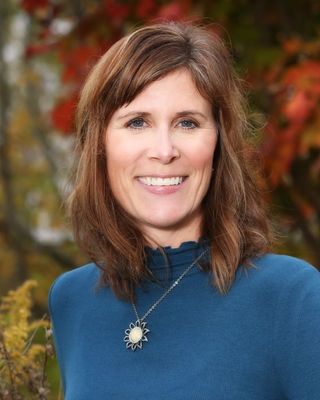
Managing gastrointestinal and autoimmune issues can be overwhelming. I see clients with a variety of GI and autoimmune issues, but I don't take a one size fits all approach. I start with what has been found to help most individuals with specific GI/autoimmune issues, then make changes from there. I work in collaboration with my clients to develop a plan that works to help with symptom management. Majority of my clients are frustrated with the length of their struggle, so I am available for questions, concerns and overall support.
Managing gastrointestinal and autoimmune issues can be overwhelming. I see clients with a variety of GI and autoimmune issues, but I don't take a one size fits all approach. I start with what has been found to help most individuals with specific GI/autoimmune issues, then make changes from there. I work in collaboration with my clients to develop a plan that works to help with symptom management. Majority of my clients are frustrated with the length of their struggle, so I am available for questions, concerns and overall support.
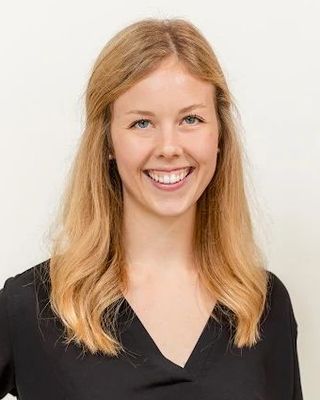
Are you struggling with tummy troubles? Chronic constipation, diarrhea, abdominal pain? You've seen a gastroenterologist and been told that everything is "normal." Have you been told you have fibromyalgia but not experienced any relief? Is your child an extreme picky eater, and you feel you may pull your hair out trying to get them to eat? Have you or a loved one been placed on a feeding tube with no direction on how to manage outside of the hospital? No help with optimizing nutrition status and getting the best nourishment?
Are you struggling with tummy troubles? Chronic constipation, diarrhea, abdominal pain? You've seen a gastroenterologist and been told that everything is "normal." Have you been told you have fibromyalgia but not experienced any relief? Is your child an extreme picky eater, and you feel you may pull your hair out trying to get them to eat? Have you or a loved one been placed on a feeding tube with no direction on how to manage outside of the hospital? No help with optimizing nutrition status and getting the best nourishment?
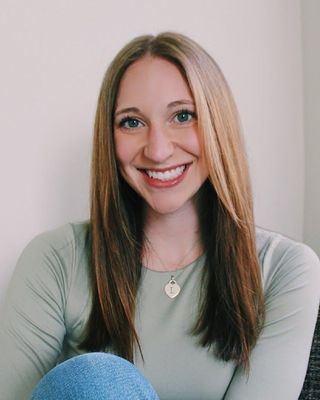
I love working with individuals navigating eating disorder recovery who are looking for a supportive, nonjudgmental approach to nutrition. I have a special passion for working with neurodivergent clients and I thoughtfully adapt care to honor each person’s unique needs. My approach is weight-inclusive and trauma-informed, with a focus on helping clients feel safer with food, reduce overwhelm, and build a more flexible, sustainable relationship with eating.
I love working with individuals navigating eating disorder recovery who are looking for a supportive, nonjudgmental approach to nutrition. I have a special passion for working with neurodivergent clients and I thoughtfully adapt care to honor each person’s unique needs. My approach is weight-inclusive and trauma-informed, with a focus on helping clients feel safer with food, reduce overwhelm, and build a more flexible, sustainable relationship with eating.
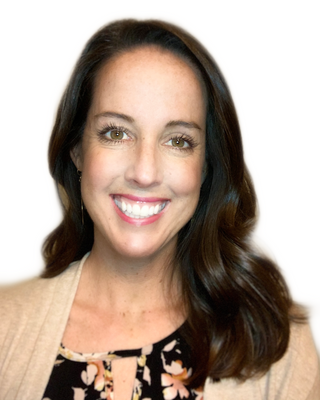
When you are facing everyday pressure from school, work, friends, relationships, busy schedules, you can quickly feel at odds with your body or lost in your self care. Then, you layer on the mixed messages from social media and you can go down a spiral with negative thoughts on what you “should” or “shouldn’t be” doing. And that is why I’m so happy you’re here! Imagine being able to trust your body again, to take what it needs and leave what it doesn’t – this opens up space to focus on what’s really important (and fun!) in your life!
When you are facing everyday pressure from school, work, friends, relationships, busy schedules, you can quickly feel at odds with your body or lost in your self care. Then, you layer on the mixed messages from social media and you can go down a spiral with negative thoughts on what you “should” or “shouldn’t be” doing. And that is why I’m so happy you’re here! Imagine being able to trust your body again, to take what it needs and leave what it doesn’t – this opens up space to focus on what’s really important (and fun!) in your life!
Online Dietitians and Nutritionists
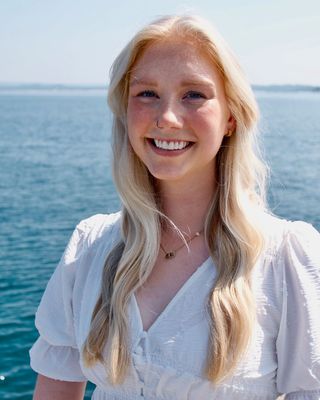
Erin is a Registered Dietitian who takes a patient-centered, collaborative approach to nutrition. She believes there is no one-size-fits-all plan and works with patients to explore their habits, goals, and lifestyle. Erin creates practical, personalized strategies that fit each person’s life, focusing on sustainable habits, confidence, and a positive relationship with food to support long-term health and well-being.
Erin is a Registered Dietitian who takes a patient-centered, collaborative approach to nutrition. She believes there is no one-size-fits-all plan and works with patients to explore their habits, goals, and lifestyle. Erin creates practical, personalized strategies that fit each person’s life, focusing on sustainable habits, confidence, and a positive relationship with food to support long-term health and well-being.
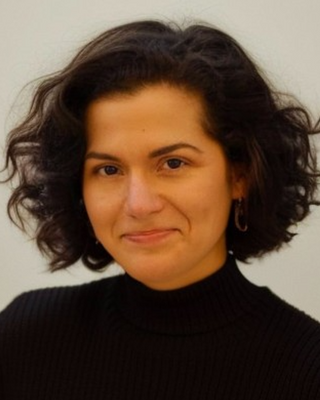
My ideal clients are individuals seeking compassionate support for eating disorders, disordered eating, emotional eating, binge eating, and overall health concerns such as diabetes, GI health, cardiovascular health, and weight management. Many feel overwhelmed, disconnected from food, or stuck in unhealthy patterns and want sustainable, long-term change. I provide individualized, evidence-based care using intuitive eating, mindfulness, and the Plate-by-Plate approach to help clients build healthier relationships with food, improve well-being, and create realistic habits that support lasting success.
My ideal clients are individuals seeking compassionate support for eating disorders, disordered eating, emotional eating, binge eating, and overall health concerns such as diabetes, GI health, cardiovascular health, and weight management. Many feel overwhelmed, disconnected from food, or stuck in unhealthy patterns and want sustainable, long-term change. I provide individualized, evidence-based care using intuitive eating, mindfulness, and the Plate-by-Plate approach to help clients build healthier relationships with food, improve well-being, and create realistic habits that support lasting success.
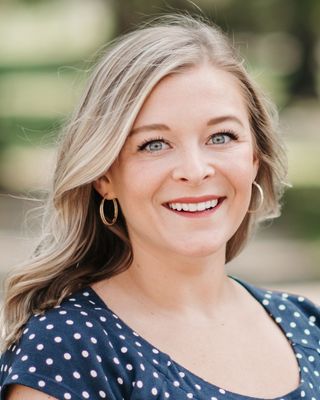
My ideal client struggles with diabetes or pre-diabetes & disordered eating. They've been told by medical professionals that weight loss or restricting carbs will improve their A1c and their health, but many clients are left confused, frustrated, and even hopeless. They want to improve their health and prevent diabetic complications without going on crazy diets or losing weight and gaining it back. They don't want to be shamed or afraid of eating their favorite foods. They want to learn what works best for their bodies and create sustainable, healthy habits to improve wellbeing now and in the future.
My ideal client struggles with diabetes or pre-diabetes & disordered eating. They've been told by medical professionals that weight loss or restricting carbs will improve their A1c and their health, but many clients are left confused, frustrated, and even hopeless. They want to improve their health and prevent diabetic complications without going on crazy diets or losing weight and gaining it back. They don't want to be shamed or afraid of eating their favorite foods. They want to learn what works best for their bodies and create sustainable, healthy habits to improve wellbeing now and in the future.
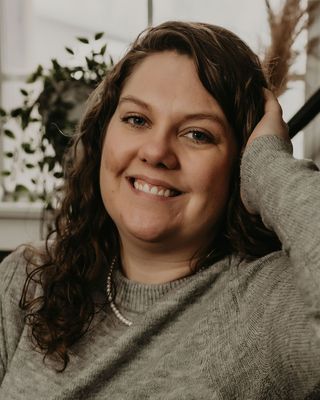
I love to help people develop a healthier relationship with food.
I love to help people develop a healthier relationship with food.
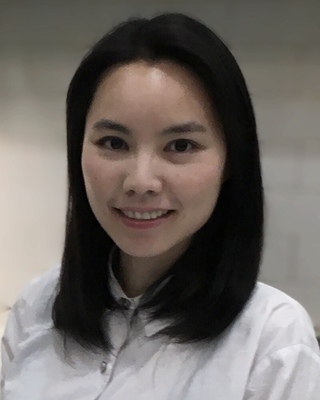
Yuhan is a Registered Dietitian who specializes in working with adults dealing with Eating Disorders, Disordered Eating, Digestive Conditions (including IBS and Low FODMAP). She is passionate about providing patient-centered nutrition care and is dedicated to helping clients reshape their lifestyle in a sustainable and enjoyable way, making food enjoyable once again. Her evidence-based, anti-diet approach focuses on improving health without judgment of food preferences or body size.
Yuhan is a Registered Dietitian who specializes in working with adults dealing with Eating Disorders, Disordered Eating, Digestive Conditions (including IBS and Low FODMAP). She is passionate about providing patient-centered nutrition care and is dedicated to helping clients reshape their lifestyle in a sustainable and enjoyable way, making food enjoyable once again. Her evidence-based, anti-diet approach focuses on improving health without judgment of food preferences or body size.
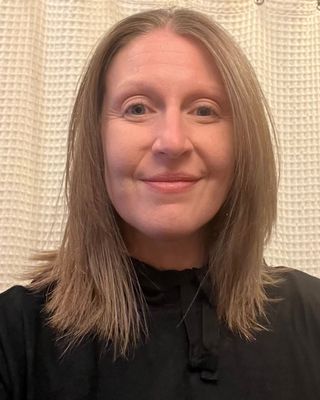
My ideal clients are individuals seeking support for cardiac health, diabetes, weight management, eating disorders, and overall well-being. They often feel overwhelmed by nutrition advice or unsure how to make lasting changes. I provide collaborative, individualized, and evidence-based care focused on their goals. Together, we work to improve health, nutrition, and lifestyle through realistic strategies, behavior change, and ongoing support that promotes sustainable progress.
My ideal clients are individuals seeking support for cardiac health, diabetes, weight management, eating disorders, and overall well-being. They often feel overwhelmed by nutrition advice or unsure how to make lasting changes. I provide collaborative, individualized, and evidence-based care focused on their goals. Together, we work to improve health, nutrition, and lifestyle through realistic strategies, behavior change, and ongoing support that promotes sustainable progress.
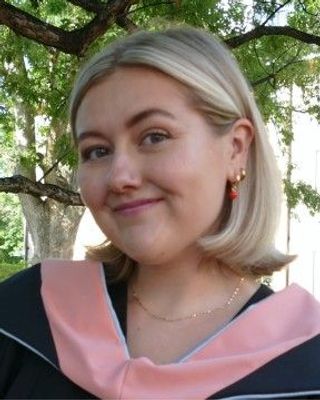
My ideal clients are individuals seeking compassionate, inclusive nutrition support that considers the whole person, not just food choices. They may feel unsupported in traditional healthcare settings or want a more sustainable, non-restrictive approach to health. I provide a safe, judgment-free space using a Health-at-Every-Size (HAES), trauma-informed, and evidence-based approach. Together, we focus on realistic changes, adding supportive habits, and creating sustainable health goals that feel good in their body and fit their lived experience.
My ideal clients are individuals seeking compassionate, inclusive nutrition support that considers the whole person, not just food choices. They may feel unsupported in traditional healthcare settings or want a more sustainable, non-restrictive approach to health. I provide a safe, judgment-free space using a Health-at-Every-Size (HAES), trauma-informed, and evidence-based approach. Together, we focus on realistic changes, adding supportive habits, and creating sustainable health goals that feel good in their body and fit their lived experience.
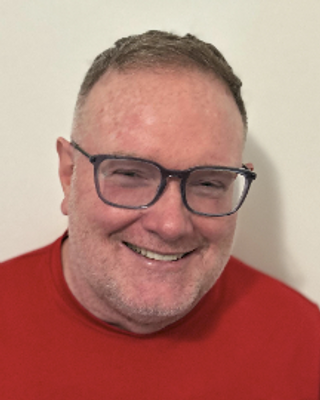
Hello! I am Doug Liner, a Registered Dietitian with 30 years of experience working with others in diabetes care, metabolic health, and weight loss. I work with a wide range of other medical conditions and hold a Certificate of training in Adult and Pediatric Obesity from the Commission on Dietetic Registration. I believe nutritional care should be approached through simple to understand and implement tools for daily living.
Hello! I am Doug Liner, a Registered Dietitian with 30 years of experience working with others in diabetes care, metabolic health, and weight loss. I work with a wide range of other medical conditions and hold a Certificate of training in Adult and Pediatric Obesity from the Commission on Dietetic Registration. I believe nutritional care should be approached through simple to understand and implement tools for daily living.
I believe every person deserves the chance to live a happy, healthy life. That's why I do what I do and live to inspire change by teaching foundational holistic health principles paired with a highly individualized integrative lens I take into every client conversation. Nutrition & Health doesn't have to be complex and complicated, confusing and frustrating... but yet far too many people are suffering from poor health, a broken standard healthcare system, and a society that doesn't help them live their life to the healthiest of their abilities. It's not easy going against the status quo, but IT IS necessary. Are you ready?
I believe every person deserves the chance to live a happy, healthy life. That's why I do what I do and live to inspire change by teaching foundational holistic health principles paired with a highly individualized integrative lens I take into every client conversation. Nutrition & Health doesn't have to be complex and complicated, confusing and frustrating... but yet far too many people are suffering from poor health, a broken standard healthcare system, and a society that doesn't help them live their life to the healthiest of their abilities. It's not easy going against the status quo, but IT IS necessary. Are you ready?
FAQs - About Nutritionists and Dietitians
How can I find a dietitian or nutritionist in Boone County?
To find dietitians and nutritionists near you, input your city, town, suburb, zip code, or a provider's name in the search bar at the top of the page. From there, you can filter by specialty, treatment technique, and gender to find a dietitian or nutritionist who matches your needs.
When you visit a dietitian or nutritionist's profile, you can get a better idea if they're the right fit for you. Consider things like session cost, accepted insurance plans, and their location or telehealth options. If someone seems like a good match, you can email them or call the number on their profile. When speaking with a professional, pay attention to whether or not you feel comfortable in the conversation and how knowledgeable they are about your specific nutrition concerns. It may also be helpful to ask more about their general approach to nutrition and the training behind their credentials.
When you visit a dietitian or nutritionist's profile, you can get a better idea if they're the right fit for you. Consider things like session cost, accepted insurance plans, and their location or telehealth options. If someone seems like a good match, you can email them or call the number on their profile. When speaking with a professional, pay attention to whether or not you feel comfortable in the conversation and how knowledgeable they are about your specific nutrition concerns. It may also be helpful to ask more about their general approach to nutrition and the training behind their credentials.
What is the difference between a dietitian and a nutritionist?
The terms dietitian and nutritionist are often used interchangeably. However, there are actually key credential differences between dietitians and nutritionists that are important to keep in mind when seeking a nutrition professional.
A registered dietitian (RD) or registered dietitian nutritionist (RDN) has earned at least a graduate degree from an accredited program, completed a supervised practice program, passed the Commission on Dietetic Registration exam, and continues their education regularly. The RD and RDN credentials are regulated by the Academy of Nutrition and Dietetics, the largest nutrition-related organization in the country. Only professionals who meet their standards can call themselves an RD or RDN and enjoy privileges like billing insurance. Additionally, RDs and RDNs can get board certifications in specialized areas such as gerontological nutrition (CSG), sports dietetics (CSSD), pediatric nutrition (CSP), renal nutrition (CSR), or oncology nutrition (CSO). They also need state licensure, which usually aligns with national requirements.
In contrast, the title "nutritionist" doesn't require any formal education or credentials; anyone can use the title of nutritionist, including those with very limited or no formal training in nutrition. Although there are certification programs that are marketed toward those interested in nutrition counseling, the rigor and academic requirements for such programs varies greatly. These important differences between dietitians and nutritionists are thus very important to consider when choosing the right nutrition professional for your needs. To be listed in the HealthProfs directory, Nutritionists must have a minimum of a Masters Degree in a relevant field.
A registered dietitian (RD) or registered dietitian nutritionist (RDN) has earned at least a graduate degree from an accredited program, completed a supervised practice program, passed the Commission on Dietetic Registration exam, and continues their education regularly. The RD and RDN credentials are regulated by the Academy of Nutrition and Dietetics, the largest nutrition-related organization in the country. Only professionals who meet their standards can call themselves an RD or RDN and enjoy privileges like billing insurance. Additionally, RDs and RDNs can get board certifications in specialized areas such as gerontological nutrition (CSG), sports dietetics (CSSD), pediatric nutrition (CSP), renal nutrition (CSR), or oncology nutrition (CSO). They also need state licensure, which usually aligns with national requirements.
In contrast, the title "nutritionist" doesn't require any formal education or credentials; anyone can use the title of nutritionist, including those with very limited or no formal training in nutrition. Although there are certification programs that are marketed toward those interested in nutrition counseling, the rigor and academic requirements for such programs varies greatly. These important differences between dietitians and nutritionists are thus very important to consider when choosing the right nutrition professional for your needs. To be listed in the HealthProfs directory, Nutritionists must have a minimum of a Masters Degree in a relevant field.
When should I see a dietitian or a nutritionist?
Clients seek nutritional support from dietitians and nutritionists for various reasons, ranging from medical conditions to lifestyle concerns like weight loss or dietary requirements; however, it's always important to find a professional who is a good fit for you. Consider factors such as insurance coverage, your specific medical or dietary concerns, and the availability of professionals near you to determine whether a dietitian or nutritionist may be a better fit.
Generally, nutritionists are not covered by insurance, whereas Registered Dietitians (RDs) often are, especially for those with medical conditions. If you have a chronic medical condition like cancer or kidney disease, you might want to seek out an RD with specialized expertise, such as a Board Certified Specialist in Oncology Nutrition (CSO) or a Board Certified Specialist in Renal Nutrition (CSR). These credentials indicate advanced education and a commitment to ongoing learning within a specific area. Additionally, consider the availability of professionals in your area and their openness to telehealth sessions. While the field of dietetics is growing, there may not always be a wide selection of professionals, especially in rural areas. In such cases, focusing on the experience and expertise of the nutrition professional can be more important than their specific credentials.
Generally, nutritionists are not covered by insurance, whereas Registered Dietitians (RDs) often are, especially for those with medical conditions. If you have a chronic medical condition like cancer or kidney disease, you might want to seek out an RD with specialized expertise, such as a Board Certified Specialist in Oncology Nutrition (CSO) or a Board Certified Specialist in Renal Nutrition (CSR). These credentials indicate advanced education and a commitment to ongoing learning within a specific area. Additionally, consider the availability of professionals in your area and their openness to telehealth sessions. While the field of dietetics is growing, there may not always be a wide selection of professionals, especially in rural areas. In such cases, focusing on the experience and expertise of the nutrition professional can be more important than their specific credentials.
Do I need a referral to see a dietitian or a nutritionist?
A referral is not required to see a dietitian or nutritionist, and many individuals independently seek nutritional support without prior medical advice. However, for a nutrition service to be covered by insurance, a referral from a primary care physician or another medical professional may be necessary. In such cases, a referral is typically made for those who have been formally diagnosed with a medical condition requiring nutrition counseling, such as diabetes or hypertension. If insurance coverage is critical to a client's ability to see a dietitian, they should contact their insurance provider to determine if a referral is needed for nutritional counseling and to understand any potential co-pays or coverage limits that may apply in their individual circumstance.
How much does it cost to see a dietitian or a nutritionist?
The cost of seeing a dietitian or nutritionist depends on a number of variables, including their location, their specialty, whether they take insurance, and the professional's experience and training. On average, the cost of out-of-pocket sessions with a dietitian or nutritionist within the United States ranges from $50-$150. In some cases, nutrition professionals will require a longer initial evaluation session that will cost more than ongoing follow-up sessions. Dietitians and nutritionists may also offer packages for clients interested in longer-term nutritional support; in such cases, they may charge monthly or other periodic fees for more comprehensive services, such as a combination of nutrition sessions and out-of-session coaching support. If nutrition services are covered by a client's insurance plan and they are eligible for coverage based on any referral requirements, the out-of-pocket cost of seeing a dietitian may be completely covered or significantly reduced.
Are consultations with a dietitian or nutritionist covered by insurance?
If your insurance covers nutrition services, the cost is usually lower than paying out-of-pocket. However, insurance coverage can vary based on factors like your specific plan details, whether you choose an in-network or out-of-network provider, and whether you have a referral for nutrition services based on a medical diagnosis.
Coverage also depends on the type of nutrition service. Typically, insurance plans only cover services provided by a licensed Registered Dietitian (RD) and do not cover those offered by nutritionists or nutrition coaches without the RD credential. If nutrition services are not covered by your insurance, some dietitians and nutritionists may offer sliding scale rates or lower-cost services for clients who cannot afford their full fee. However, these spots are often limited and may not always be available.
Coverage also depends on the type of nutrition service. Typically, insurance plans only cover services provided by a licensed Registered Dietitian (RD) and do not cover those offered by nutritionists or nutrition coaches without the RD credential. If nutrition services are not covered by your insurance, some dietitians and nutritionists may offer sliding scale rates or lower-cost services for clients who cannot afford their full fee. However, these spots are often limited and may not always be available.