Crohn's Nutritionists and Dietitians in Boone County, IN
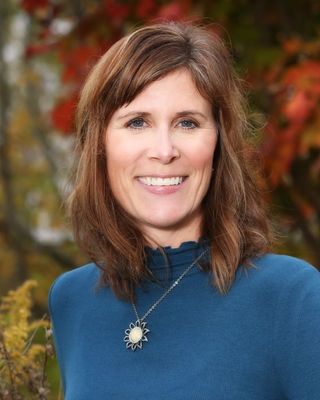
Managing gastrointestinal and autoimmune issues can be overwhelming. I see clients with a variety of GI and autoimmune issues, but I don't take a one size fits all approach. I start with what has been found to help most individuals with specific GI/autoimmune issues, then make changes from there. I work in collaboration with my clients to develop a plan that works to help with symptom management. Majority of my clients are frustrated with the length of their struggle, so I am available for questions, concerns and overall support.
Managing gastrointestinal and autoimmune issues can be overwhelming. I see clients with a variety of GI and autoimmune issues, but I don't take a one size fits all approach. I start with what has been found to help most individuals with specific GI/autoimmune issues, then make changes from there. I work in collaboration with my clients to develop a plan that works to help with symptom management. Majority of my clients are frustrated with the length of their struggle, so I am available for questions, concerns and overall support.

Are you struggling with tummy troubles? Chronic constipation, diarrhea, abdominal pain? You've seen a gastroenterologist and been told that everything is "normal." Have you been told you have fibromyalgia but not experienced any relief? Is your child an extreme picky eater, and you feel you may pull your hair out trying to get them to eat? Have you or a loved one been placed on a feeding tube with no direction on how to manage outside of the hospital? No help with optimizing nutrition status and getting the best nourishment?
Are you struggling with tummy troubles? Chronic constipation, diarrhea, abdominal pain? You've seen a gastroenterologist and been told that everything is "normal." Have you been told you have fibromyalgia but not experienced any relief? Is your child an extreme picky eater, and you feel you may pull your hair out trying to get them to eat? Have you or a loved one been placed on a feeding tube with no direction on how to manage outside of the hospital? No help with optimizing nutrition status and getting the best nourishment?
Online Dietitians and Nutritionists
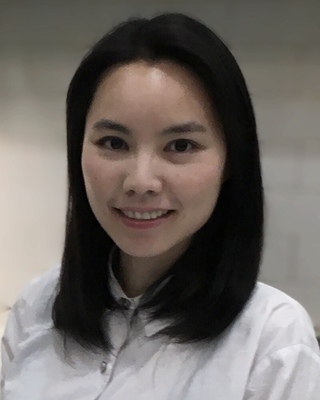
Yuhan is a Registered Dietitian who specializes in working with adults dealing with Eating Disorders, Disordered Eating, Digestive Conditions (including IBS and Low FODMAP). She is passionate about providing patient-centered nutrition care and is dedicated to helping clients reshape their lifestyle in a sustainable and enjoyable way, making food enjoyable once again. Her evidence-based, anti-diet approach focuses on improving health without judgment of food preferences or body size.
Yuhan is a Registered Dietitian who specializes in working with adults dealing with Eating Disorders, Disordered Eating, Digestive Conditions (including IBS and Low FODMAP). She is passionate about providing patient-centered nutrition care and is dedicated to helping clients reshape their lifestyle in a sustainable and enjoyable way, making food enjoyable once again. Her evidence-based, anti-diet approach focuses on improving health without judgment of food preferences or body size.

My ideal clients are individuals seeking compassionate support for eating disorders, disordered eating, emotional eating, binge eating, and overall health concerns such as diabetes, GI health, cardiovascular health, and weight management. Many feel overwhelmed, disconnected from food, or stuck in unhealthy patterns and want sustainable, long-term change. I provide individualized, evidence-based care using intuitive eating, mindfulness, and the Plate-by-Plate approach to help clients build healthier relationships with food, improve well-being, and create realistic habits that support lasting success.
My ideal clients are individuals seeking compassionate support for eating disorders, disordered eating, emotional eating, binge eating, and overall health concerns such as diabetes, GI health, cardiovascular health, and weight management. Many feel overwhelmed, disconnected from food, or stuck in unhealthy patterns and want sustainable, long-term change. I provide individualized, evidence-based care using intuitive eating, mindfulness, and the Plate-by-Plate approach to help clients build healthier relationships with food, improve well-being, and create realistic habits that support lasting success.

I believe every person deserves the chance to live a happy, healthy life. That's why I do what I do and live to inspire change by teaching foundational holistic health principles paired with a highly individualized integrative lens I take into every client conversation. Nutrition & Health doesn't have to be complex and complicated, confusing and frustrating... but yet far too many people are suffering from poor health, a broken standard healthcare system, and a society that doesn't help them live their life to the healthiest of their abilities. It's not easy going against the status quo, but IT IS necessary. Are you ready?
I believe every person deserves the chance to live a happy, healthy life. That's why I do what I do and live to inspire change by teaching foundational holistic health principles paired with a highly individualized integrative lens I take into every client conversation. Nutrition & Health doesn't have to be complex and complicated, confusing and frustrating... but yet far too many people are suffering from poor health, a broken standard healthcare system, and a society that doesn't help them live their life to the healthiest of their abilities. It's not easy going against the status quo, but IT IS necessary. Are you ready?
Crohn's Nutritionists and Dietitians
What is Crohn's disease?
Crohn's disease is a type of inflammatory bowel disease (IBD) characterized by inflammation in the intestines. It is considered an autoimmune condition, where the immune system becomes overactive in the lining of the digestive tract, causing symptoms such as abdominal pain, cramping, bloating, and the presence of blood or mucus in the stool. People with Crohn's disease can experience complications like infections and malnutrition and have an increased risk of colorectal cancer. Unfortunately, there are few definitive treatments for Crohn's disease. However, some patients are prescribed immunosuppressant drugs or steroids, which reduce the immune response and can help reduce symptoms of the disease.
Can Crohn's disease be cured with proper nutrition?
There is little evidence to suggest that Crohn's disease can be cured through nutrition. However, certain foods may worsen symptoms or trigger flare-ups. Common examples include dairy products, high-fat foods, processed meats, high-fiber foods, and beverages containing alcohol or sugar alcohol. People with Crohn's disease are generally advised to avoid foods that exacerbate their symptoms and to focus on consuming regular meals with adequate protein and nutrient density to prevent malnutrition.
What can you eat if you have Crohn's disease?
With the exception of avoiding foods that may exacerbate symptoms, individuals with Crohn's disease are often advised to consume a normal diet. Since Crohn's disease is an autoimmune condition and not caused by specific foods, it is generally recommended that individuals eat a regular and balanced diet as much as they can tolerate.
Should people with Crohn's disease see a dietitian?
People with Crohn's disease are at a greater risk of malnutrition and weight loss, as well as nutrient deficiencies, due to the poor absorption within the digestive track that can occur as a result of the disease. Therefore, dietitians can be highly beneficial to people with Crohn's disease to minimize the potential effects of malnutrition and ensure daily nutrient needs are being met. They may help people with Crohn's disease identify foods that contain sufficient calories and nutrients but minimize symptoms, such as suggesting iron-rich foods for clients with anemia. People with Crohn's disease also often experience flare-ups followed by periods of relief, so dietitians may be helpful in assisting clients in identifying food or nutrition-related factors that may contribute to or worsen their flare-ups.