Cholesterol Nutritionists and Dietitians in Canyon County, ID
There are no results for health professionals in Canyon County
Check out health professionals located nearby or offering Teletherapy in Idaho below.Online Dietitians and Nutritionists

I help clients navigate eating disorder recovery, disordered eating, body image concerns, and the stress of building a healthier relationship with food. My style is warm, collaborative, and realistic—not about perfection, judgment, or rigid rules. In our first session, I want to understand what you are hoping for, where you have been, and what feels hardest right now. Whether you are actively struggling, stepping down from higher care, worried about relapse, or trying to maintain balanced eating, we move at a pace that feels supportive, clinically appropriate, and sustainable.
I help clients navigate eating disorder recovery, disordered eating, body image concerns, and the stress of building a healthier relationship with food. My style is warm, collaborative, and realistic—not about perfection, judgment, or rigid rules. In our first session, I want to understand what you are hoping for, where you have been, and what feels hardest right now. Whether you are actively struggling, stepping down from higher care, worried about relapse, or trying to maintain balanced eating, we move at a pace that feels supportive, clinically appropriate, and sustainable.
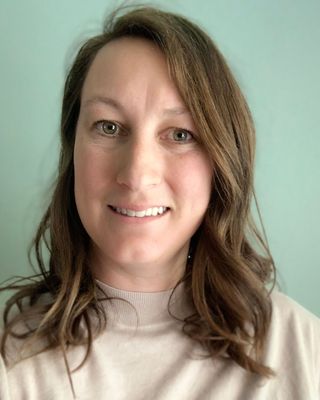
Struggling to figure out what to eat, tired of conflicting nutrition advice, or feeling stuck managing your health? I’m Kelsey, and I help people turn real, whole foods into practical, lasting habits that support health and fit into busy lives. With over 12 years in primary care, I have extensive experience with clients managing diabetes, prediabetes, thyroid conditions specifically Hashimoto's, heart health, weight concerns, and pregnancy, fertility, or postpartum nutrition. I focus on the labs and science but also the whole picture of sleep, stress, movement, gut health, and nutrient balance.
Struggling to figure out what to eat, tired of conflicting nutrition advice, or feeling stuck managing your health? I’m Kelsey, and I help people turn real, whole foods into practical, lasting habits that support health and fit into busy lives. With over 12 years in primary care, I have extensive experience with clients managing diabetes, prediabetes, thyroid conditions specifically Hashimoto's, heart health, weight concerns, and pregnancy, fertility, or postpartum nutrition. I focus on the labs and science but also the whole picture of sleep, stress, movement, gut health, and nutrient balance.
Cholesterol Nutritionists and Dietitians
What is cholesterol?
Cholesterol is a fat-like substance found in the blood that is essential for forming healthy cells and ensuring regular body functions. Although cholesterol often has a negative reputation, it plays a crucial role in our health. There are several types of cholesterol, including low-density lipoprotein (LDL) and high-density lipoprotein (HDL). The balance between these types is more important than eliminating cholesterol entirely. In general HDL is considered to be the "good" form of cholesterol, while LDL is considered to be the "bad" form associated with conditions such as cardiovascular diseases. Individuals with high levels of LDL cholesterol circulating in their blood are at an increased risk of heart attack and stroke, as a result of plaque build-up on the interior of the body's arteries.
How does diet affect cholesterol?
While many individuals with high cholesterol are prescribed medications to help lower their levels, lifestyle changes—especially dietary modifications—are considered the first line of treatment. Reducing the consumption of foods high in saturated and trans fats, such as fatty meats, cream, butter, and pastries, helps lower cholesterol. Conversely, consuming sufficient fiber, healthy fats (like those found in salmon and nuts), and low-fat proteins can help lower LDL levels and improve cardiovascular health.
What diet is best if you have high cholesterol?
In general, experts recommend a plant-based diet high in fiber, healthy fats, and lean protein as the best nutrition approach to lowering blood cholesterol levels. The "Mediterranean diet," characterized by the consumption of lots of healthy fats, vegetables, beans, and whole grains is one common diet with abundant evidence supporting its efficacy in reducing blood cholesterol levels and preventing cardiovascular and metabolic diseases. The Dietary Approaches to Stop Hypertension (DASH) diet is another common diet shown to reduce cholesterol levels; the DASH diet emphasizes the consumption of fruits, vegetables, whole grains, and low fat dairy products with a particular focus on reducing the consumption of saturated fats. Conversely, diets that include the consumption of large amounts of protein and fats—such as the keto diet and atkins diet—are generally not recommended for those with high cholesterol levels due to the high levels of saturated and trans fats that such diets can include.
Why is it useful to see a dietitian if you have high cholesterol?
Dietitians are specifically trained to use diet modifications to manage health, so consulting a dietitian if you have high cholesterol can be greatly beneficial. They can help construct a diet that lowers cholesterol and promotes a healthier lifestyle. Dietitians can assist clients in identifying foods that are low in cholesterol and those that support overall health. They can also help hold clients accountable for their nutrition and provide resources for other lifestyle modifications that support blood cholesterol reduction, such as exercise, smoking cessation, and alcohol consumption reduction. Additionally, dietitians can assist in managing other chronic diseases often associated with high cholesterol, such as kidney conditions, diabetes, and heart disease.