ADHD Nutritionists and Dietitians in Sarnia, ON
There are no results for health professionals in Sarnia
Check out health professionals located nearby or offering Teletherapy in Ontario below.Online Dietitians and Nutritionists
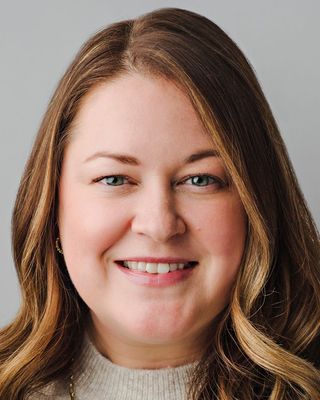
Hi there - Welcome to Empower Nutrition & Wellness Co. I am so excited to share that Empower is accepting clients for 1-on-1 virtual nutrition counselling in Ontario.
A little bit about me: I am a Registered Dietitian in Ontario and 2025 marks my 10th year in practice. I’ve worked in a variety of clinical settings; however, my absolute passion area of practice is working with people who experience challenges in their relationships with food and body. I also specialize in eating disorder and disordered eating support.
Unsure of where to start or if we'd be a good fit? Let's connect via free connection chat.
Hi there - Welcome to Empower Nutrition & Wellness Co. I am so excited to share that Empower is accepting clients for 1-on-1 virtual nutrition counselling in Ontario.
A little bit about me: I am a Registered Dietitian in Ontario and 2025 marks my 10th year in practice. I’ve worked in a variety of clinical settings; however, my absolute passion area of practice is working with people who experience challenges in their relationships with food and body. I also specialize in eating disorder and disordered eating support.
Unsure of where to start or if we'd be a good fit? Let's connect via free connection chat.

Are thoughts and fears about what to eat, what not to eat, how it is going to make you feel or look, what you wish you could eat, or negative thoughts about your body all consuming and stealing your joy? Do you have a child who is living with disordered eating that you are concerned about? Do you want to finally make peace with food after years of dieting? Whether you or your loved one have a diagnosed eating disorder, want to stop yo-yo dieting or just looking to repair your relationship to food and yourself, I can help!
Are thoughts and fears about what to eat, what not to eat, how it is going to make you feel or look, what you wish you could eat, or negative thoughts about your body all consuming and stealing your joy? Do you have a child who is living with disordered eating that you are concerned about? Do you want to finally make peace with food after years of dieting? Whether you or your loved one have a diagnosed eating disorder, want to stop yo-yo dieting or just looking to repair your relationship to food and yourself, I can help!

I am a registered dietitian, long distance runner and mom of 2 ADHD kids.
ADHD helping you: End night time binging, avoid swings in energy through the day, learning to meal plan and prep in a way doesn't overwhelm you. SPORT helping you: plan your fuelling for training, recovery and race day, solving GI issues WOMEN: Helping you navigate nutrition through perimenopause and menopause
I am a registered dietitian, long distance runner and mom of 2 ADHD kids.
ADHD helping you: End night time binging, avoid swings in energy through the day, learning to meal plan and prep in a way doesn't overwhelm you. SPORT helping you: plan your fuelling for training, recovery and race day, solving GI issues WOMEN: Helping you navigate nutrition through perimenopause and menopause
ADHD Nutritionists and Dietitians
What is ADHD?
Attention-Deficit Hyperactivity Disorder (ADHD) is a behavioral condition characterized by difficulties in concentrating, impulsive actions, easy distractibility, and trouble staying still. ADHD is most commonly diagnosed in childhood, with symptoms starting as early as 3 years old, and is much more common in boys than girls. Individuals with ADHD often struggle to complete tasks at work or school, and they may experience challenges in their personal relationships due to communication issues. While some children may outgrow ADHD, many continue to experience symptoms into adulthood. Fortunately, there are effective ways to manage ADHD. A combination of therapy, medication, and behavioral modifications is most effective in treating ADHD.
How does nutrition affect ADHD?
While no evidence directly supports the idea that nutrition plays a causal role in the development of ADHD, nutrition can play a large role on the symptoms of ADHD. Certain foods may influence ADHD symptoms. Consumption of foods high in sugar or simple carbohydrates, such as white bread, may cause blood sugar spikes that exacerbate the symptoms of ADHD; indeed, maintaining stable blood sugar levels can be crucial for maintaining consistent energy and focus. Similarly, avoiding caffeine—found in coffee, tea, soda, and chocolate—is particularly important for those with ADHD, as excessive caffeine intake can exacerbate hyperactivity and inattention.
Can ADHD be cured with nutrition?
While no evidence currently supports the idea that ADHD can be cured with nutrition, dietary modifications alongside proven ADHD treatments may be highly effective in managing the condition. For instance, consuming sufficient protein, particularly at breakfast, has been shown to increase focus and attention, which is beneficial for individuals with ADHD. Additionally, consuming healthy fats, especially foods high in omega-3 fatty acids like salmon, can greatly improve brain health. Lastly, individuals with ADHD may benefit from the structure of a nutrition plan that ensures regularly balanced meals and consistent meal times.
When is it useful for people with ADHD to see a registered dietitian?
While many people, even without an ADHD diagnosis, may benefit from seeing a registered dietitian (RD), individuals with ADHD may particularly benefit from consultation with an RD to assist in constructing a diet that is supportive of ADHD symptom management. An RD may be able to assist clients in becoming aware of their sugar consumption or caffeine intake, for instance, and help clients develop strategies to reduce their consumption of these ingredients. In addition, RDs specializing in clients with ADHD may be uniquely knowledgeable about the effects that ADHD medications can have on food intake. Close to 80% of people who take stimulant medications, which are frequently used for ADHD, experience appetite suppression while taking the medication; RDs specializing in ADHD thus often help clients on stimulant medication for ADHD develop strategies that ensure adequate dietary intake while maintaining a high-quality diet.