Polycystic Ovarian Syndrome (PCOS) Nutritionists and Dietitians in Winnebago County, WI
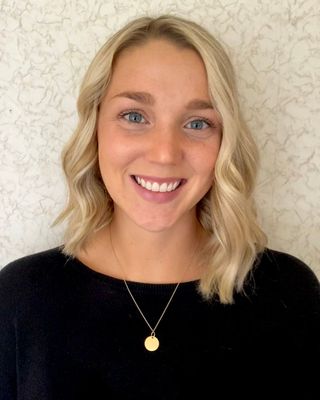
I am a weight-inclusive Registered Dietitian who applies the principles of Intuitive Eating to help clients explore their relationship with food and body. My goal is to address the misconceptions diet culture has created while simultaneously helping clients achieve body trust and eat in a sustainable way. I strive to assist clients in shifting from a disordered place of eating and moving to a peaceful place of embracing their food choices and exploring fun ways to move their body.
I am a weight-inclusive Registered Dietitian who applies the principles of Intuitive Eating to help clients explore their relationship with food and body. My goal is to address the misconceptions diet culture has created while simultaneously helping clients achieve body trust and eat in a sustainable way. I strive to assist clients in shifting from a disordered place of eating and moving to a peaceful place of embracing their food choices and exploring fun ways to move their body.
Online Dietitians and Nutritionists
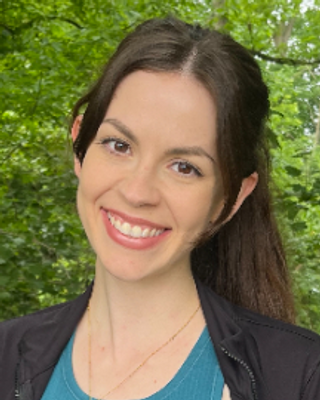
Ava specializes in disordered eating, gut health, GI conditions, food sensitivities, prediabetes, weight management, and women’s health issues like PCOS and hormonal concerns.
Ava’s ideal client is someone who is curious about nutrition and ready to make real, lasting changes. They want to break free from diets, rebuild their relationship with food, and learn to trust their body’s cues. They’re interested in hormone balance, gut health, anti-inflammatory eating, and sustainable habits that support energy and well-being. They value guidance, education, and accountability as they move toward intuitive eating, joyful movement, and long-term health.
Ava specializes in disordered eating, gut health, GI conditions, food sensitivities, prediabetes, weight management, and women’s health issues like PCOS and hormonal concerns.
Ava’s ideal client is someone who is curious about nutrition and ready to make real, lasting changes. They want to break free from diets, rebuild their relationship with food, and learn to trust their body’s cues. They’re interested in hormone balance, gut health, anti-inflammatory eating, and sustainable habits that support energy and well-being. They value guidance, education, and accountability as they move toward intuitive eating, joyful movement, and long-term health.
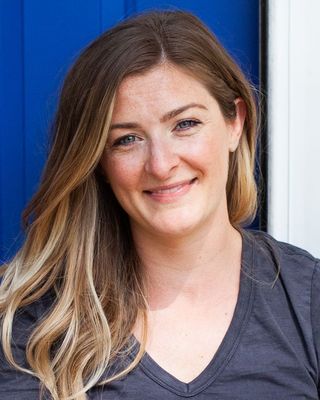
As a Registered Dietitian and mom, I help you break free from diet culture and rebuild trust with food and your body. I understand the pressure to “eat right,” look a certain way, and feed your family well. Together, we’ll simplify nutrition, reduce stress, and create sustainable habits so you and your kids feel nourished, confident, and supported—without guilt or perfection.
As a Registered Dietitian and mom, I help you break free from diet culture and rebuild trust with food and your body. I understand the pressure to “eat right,” look a certain way, and feed your family well. Together, we’ll simplify nutrition, reduce stress, and create sustainable habits so you and your kids feel nourished, confident, and supported—without guilt or perfection.
Polycystic Ovarian Syndrome (PCOS) Nutritionists and Dietitians
What is Polycystic ovarian syndrome (PCOS)?
Polycystic ovarian syndrome (PCOS) is a condition characterized by hormonal imbalance, leading to symptoms such as irregular or absent periods, weight gain, excess hair growth, infertility, and acne. The exact causes of PCOS are not well understood, but it is believed to result from a combination of genetic and lifestyle factors, including stress and nutrition.
How is PCOS treated?
PCOS is typically treated with a combination of medication and lifestyle changes. Many individuals with PCOS are prescribed birth control medication to help regulate the abnormal hormone levels associated with the condition. With regard to lifestyle modifications, healthcare professionals often recommend maintaining a balanced, healthy diet and engaging in regular physical activity. This is particularly important for women diagnosed with obesity or diabetes, as weight loss and improved insulin regulation can significantly alleviate PCOS symptoms.
What diet is best for people with PCOS?
In general, experts recommend a plant-based diet high in fiber, healthy fats, and lean protein as the best nutritional approach to managing PCOS. Because women diagnosed with PCOS are at a higher risk of specific conditions, such as type 2 diabetes, hypertension, and heart problems, a diet that helps prevent such conditions can be highly effective. The "Mediterranean diet," characterized by the consumption of lots of healthy fats, vegetables, beans, and whole grains is one common diet with evidence supporting its efficacy in preventing cardiovascular and metabolic diseases. In addition, other lifestyle modifications that support weight management and healthy insulin levels—such as exercise, smoking cessation, and alcohol consumption reduction—are often also incorporated into PCOS treatment.
What foods should people with PCOS avoid?
Due to the high blood sugar levels and insulin resistance characteristic of PCOS, experts typically advise individuals with PCOS to avoid foods that cause large blood sugar spikes, such as sugary snacks and refined carbs like white bread. Instead, they recommend consuming foods rich in healthy fats, whole grains, and fiber, which can help stabilize blood sugar levels. Individuals with PCOS may also find that certain foods trigger their symptoms. Therefore, identifying and avoiding these specific foods can be important for reducing symptom severity on an individual level.