Kidney Disease/Renal Nutritionists and Dietitians in Leavenworth, WA
There are no results for health professionals in Leavenworth
Check out health professionals located nearby or offering Teletherapy in Washington below.Online Dietitians and Nutritionists

When the majority of your thoughts constantly revolve around food, your body, or your weight, it can feel like you’re constantly battling with yourself. It’s exhausting- and it’s not your fault. Diet culture thrives on disconnecting you from your body’s wisdom, leaving you stuck in cycles of shame, confusion, and self-blame. You deserve better. I’m here to help you tune back into yourself: to rebuild trust with your body, make peace with food, and reclaim your energy for things that actually matter in your life.
When the majority of your thoughts constantly revolve around food, your body, or your weight, it can feel like you’re constantly battling with yourself. It’s exhausting- and it’s not your fault. Diet culture thrives on disconnecting you from your body’s wisdom, leaving you stuck in cycles of shame, confusion, and self-blame. You deserve better. I’m here to help you tune back into yourself: to rebuild trust with your body, make peace with food, and reclaim your energy for things that actually matter in your life.
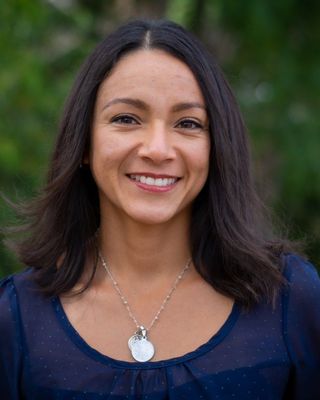
My ideal client is a woman who’s ready to understand her body on a deeper level. She may be struggling with hormonal changes, fertility challenges, postpartum recovery, digestive issues, or blood sugar imbalance. She wants to feel energized, balanced, and confident again—but is overwhelmed by conflicting advice. She’s looking for compassionate, science-based guidance to finally get to the root of what’s going on and feel like herself again.
My ideal client is a woman who’s ready to understand her body on a deeper level. She may be struggling with hormonal changes, fertility challenges, postpartum recovery, digestive issues, or blood sugar imbalance. She wants to feel energized, balanced, and confident again—but is overwhelmed by conflicting advice. She’s looking for compassionate, science-based guidance to finally get to the root of what’s going on and feel like herself again.

I provide compassionate, evidence-based nutrition care to support individuals recovering from eating disorders such as Anorexia Nervosa, Bulimia Nervosa, Binge Eating, ARFID (Avoidant/Restrictive Food Intake Disorder), and OSFED (Other Specified Feeding or Eating Disorder).
Additionally, I support clients who are interested in intuitive eating and/or managing health concerns through a weight-inclusive lens. I partner with clients to develop sustainable strategies for managing medical conditions such as diabetes, high blood pressure, digestive concerns, dyslipidemia, and more.
I provide compassionate, evidence-based nutrition care to support individuals recovering from eating disorders such as Anorexia Nervosa, Bulimia Nervosa, Binge Eating, ARFID (Avoidant/Restrictive Food Intake Disorder), and OSFED (Other Specified Feeding or Eating Disorder).
Additionally, I support clients who are interested in intuitive eating and/or managing health concerns through a weight-inclusive lens. I partner with clients to develop sustainable strategies for managing medical conditions such as diabetes, high blood pressure, digestive concerns, dyslipidemia, and more.

You may feel overwhelmed by conflicting nutrition advice, frustrated that past approaches haven’t worked, or worried about your child's eating. You might be looking for guidance that fits your day-to-day life and supports your health - without rigid rules or food guilt. Many of my clients are individuals working on their nutrition habits, managing health conditions, families navigating feeding challenges, or neurodivergent adults and children who benefit from flexible, sensory-aware strategies around food. They all have one thing in common: wanting a more peaceful relationship with food.
You may feel overwhelmed by conflicting nutrition advice, frustrated that past approaches haven’t worked, or worried about your child's eating. You might be looking for guidance that fits your day-to-day life and supports your health - without rigid rules or food guilt. Many of my clients are individuals working on their nutrition habits, managing health conditions, families navigating feeding challenges, or neurodivergent adults and children who benefit from flexible, sensory-aware strategies around food. They all have one thing in common: wanting a more peaceful relationship with food.

Sandy specializes in chronic disease prevention and management, including Type 1 and Type 2 Diabetes, Chronic Kidney Disease, and Metabolic Syndrome.
Sandy is a Registered Dietitian who partners with clients to overcome limiting beliefs and build a positive, sustainable relationship with food. She is passionate about preventing and managing both physical and mental health conditions through individualized, realistic, evidence-based strategies. Using a mindful eating approach, she helps clients find enjoyment in meals despite busy lifestyles. Sandy emphasizes balanced nutrition, regular movement, restorative sleep, and stress management to create a strong foundation for long-term health and well-being.
Sandy specializes in chronic disease prevention and management, including Type 1 and Type 2 Diabetes, Chronic Kidney Disease, and Metabolic Syndrome.
Sandy is a Registered Dietitian who partners with clients to overcome limiting beliefs and build a positive, sustainable relationship with food. She is passionate about preventing and managing both physical and mental health conditions through individualized, realistic, evidence-based strategies. Using a mindful eating approach, she helps clients find enjoyment in meals despite busy lifestyles. Sandy emphasizes balanced nutrition, regular movement, restorative sleep, and stress management to create a strong foundation for long-term health and well-being.

At Holistika Nutrition & Wellness, our clinic provides compassionate, evidence-based nutrition care for individuals seeking to understand and heal the root causes of their health concerns. We specialize in supporting women through hormonal changes, PCOS, pregnancy, postpartum recovery, and menopause, as well as adults managing diabetes, high cholesterol, metabolic syndrome, and gut health concerns. Our team of dietitians and nutritionists offers clarity, balance, and sustainable guidance tailored to your unique health journey.
At Holistika Nutrition & Wellness, our clinic provides compassionate, evidence-based nutrition care for individuals seeking to understand and heal the root causes of their health concerns. We specialize in supporting women through hormonal changes, PCOS, pregnancy, postpartum recovery, and menopause, as well as adults managing diabetes, high cholesterol, metabolic syndrome, and gut health concerns. Our team of dietitians and nutritionists offers clarity, balance, and sustainable guidance tailored to your unique health journey.
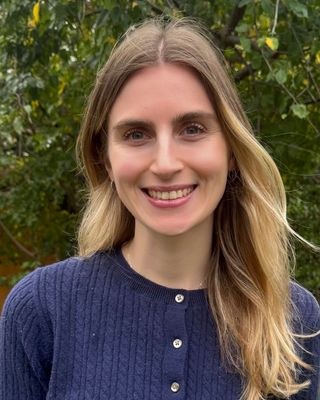
Taking the first step to heal your relationship with food and body can feel overwhelming! My goal is to ensure that you don’t have to walk that path alone. I am a dietitian with experience working with eating disorders, disordered eating, and body image concerns. I believe the right path forward looks different for each person. Therefore, I take a trauma-informed and patient-centered approach. This is achieved through modeling genuine curiosity and empathy. Together, we will identify strategies that help you reclaim your health while maintaining a healthy relationship with food.
Taking the first step to heal your relationship with food and body can feel overwhelming! My goal is to ensure that you don’t have to walk that path alone. I am a dietitian with experience working with eating disorders, disordered eating, and body image concerns. I believe the right path forward looks different for each person. Therefore, I take a trauma-informed and patient-centered approach. This is achieved through modeling genuine curiosity and empathy. Together, we will identify strategies that help you reclaim your health while maintaining a healthy relationship with food.

Whether life has just presented you with a new health concern, you are looking to rekindle your relationship with food, or anywhere in between, I am here to help! There are many factors to consider when striving to live well, and they can understandably lead to frustration. Eating is something we are biologically required to do, so why not make it a positive experience? My goal is to provide you with tools to help you feel empowered in nourishing your body on a daily basis. I prioritize bringing both balance and variety onto the plates of my clients.
Whether life has just presented you with a new health concern, you are looking to rekindle your relationship with food, or anywhere in between, I am here to help! There are many factors to consider when striving to live well, and they can understandably lead to frustration. Eating is something we are biologically required to do, so why not make it a positive experience? My goal is to provide you with tools to help you feel empowered in nourishing your body on a daily basis. I prioritize bringing both balance and variety onto the plates of my clients.
Kidney Disease/Renal Nutritionists and Dietitians
What are the symptoms of kidney disease?
The kidneys play a vital role in filtering blood and removing waste products from the body. Symptoms of kidney disease thus typically reflect the kidneys' reduced ability to perform these functions effectively; such symptoms include nausea, vomiting, changes in urination patterns, fatigue, hypertension (high blood pressure), and swelling or fluid retention in the body. Because kidney disease tends to be chronic, symptoms often develop gradually over time. Fortunately, diet modifications and lifestyle changes can be particularly important in managing kidney disease and preserving kidney function. Early intervention and lifestyle modifications are critical to prevent disease progression to end-stage kidney disease, which may require very invasive treatments like dialysis or a kidney transplant.
What foods should I avoid if I have kidney disease?
Managing diet is crucial for individuals with kidney disease to maintain kidney health. Specifically, it is important for individuals with kidney disease to avoid foods high in sodium, potassium, and phosphorus, as impaired kidneys may struggle to regulate these nutrients effectively, leading to complications such as hypertension and fluid retention. Choosing to prepare meals at home and avoiding processed foods—such as chips, canned goods, and soups—can significantly reduce sodium intake. Additionally, limiting consumption of high-potassium foods like bananas, oranges, beans, and dairy products, as well as phosphorus-rich foods such as whole grains, nuts, and certain dairy items, is important. Working with a dietitian specializing in renal nutrition can be a great option for those with kidney disease, as dietitians can provide tailored dietary strategies to support kidney function and offer individualized guidance on specific foods someone should avoid depending on the stage of their disease.
Can kidney disease be prevented with nutrition?
Adopting a healthy and balanced diet can play a critical role in reducing the risk of developing kidney disease. A diet that promotes healthy cholesterol levels and helps control blood pressure is particularly important, as these health factors can contribute to kidney disease risk. Additional strategies to support kidney health include limiting sodium intake to a maximum of 2,300 mg per day and maintaining healthy blood sugar levels. Managing diabetes and reducing consumption of high-sugar foods are essential, given that diabetes is a major contributor to kidney disease development. These dietary practices, alongside regular medical check-ups and lifestyle adjustments, can help mitigate one's risk of developing kidney disease.
What diet is best for people with kidney disease?
Instead of focusing on a single type of food, it is recommended that individuals with kidney disease follow dietary guidelines tailored to support kidney health. This often involves managing the intake of certain nutrients, such as sodium, potassium, and phosphorus, and maintaining a balanced diet rich in fiber, healthy fats, and lean protein. Nutrition experts also often recommend the Dietary Approaches to Stop Hypertension (DASH) diet for individuals with kidney disease. Known for its ability to lower blood pressure and improve heart health, the DASH diet emphasizes fruits, vegetables, whole grains, and low-fat dairy while reducing saturated fats. For those undergoing dialysis due to end-stage kidney disease, there may be additional dietary needs. Monitoring fluid intake and protein consumption closely is particularly crucial, as dialysis treatments can affect fluid and protein levels in the body.