Pregnancy Nutritionists and Dietitians in Hilton Head, SC
There are no results for health professionals in Hilton Head
Check out health professionals located nearby or offering Teletherapy in South Carolina below.Online Dietitians and Nutritionists
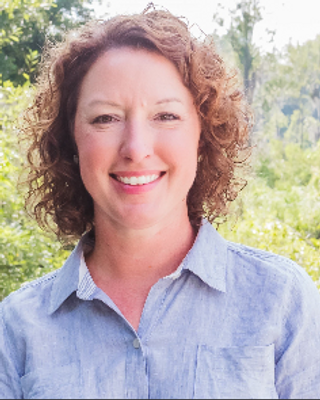
My ideal client is an individual or parent seeking to learn more about their food allergy diagnosis, diagnosis related to abnormal gut function. If they have an eating disorder, they are ready to learn how to move past it and repair their relationship with themselves and their food. My clients understand that slow changes are lasting changes are not interested in a quick fix. They are comfortable with my approach that all foods can fit into the eating pattern and health looks a lot of different ways.
My ideal client is an individual or parent seeking to learn more about their food allergy diagnosis, diagnosis related to abnormal gut function. If they have an eating disorder, they are ready to learn how to move past it and repair their relationship with themselves and their food. My clients understand that slow changes are lasting changes are not interested in a quick fix. They are comfortable with my approach that all foods can fit into the eating pattern and health looks a lot of different ways.
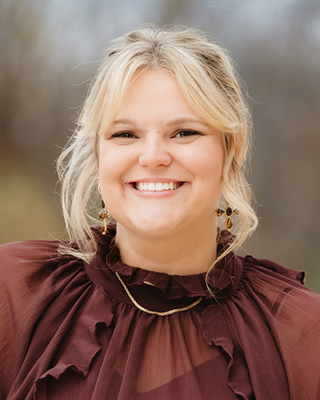
Finding peace with food can seem difficult, but it doesn’t have to be. Eating is an essential part of each day, and when you feel constricted by it, it effects other aspects of life. I want to help you find freedom and put joy back back into eating. If you struggle with cyclic dieting, disordered eating, or even feel out of control with food, you’ve come to the right place. I believe in intuitive eating and engage in a non-diet approach that helps you break free from diet mentality and food guilt. My approach is individualized and focused on what is most beneficial for you in your current time and environment.
Finding peace with food can seem difficult, but it doesn’t have to be. Eating is an essential part of each day, and when you feel constricted by it, it effects other aspects of life. I want to help you find freedom and put joy back back into eating. If you struggle with cyclic dieting, disordered eating, or even feel out of control with food, you’ve come to the right place. I believe in intuitive eating and engage in a non-diet approach that helps you break free from diet mentality and food guilt. My approach is individualized and focused on what is most beneficial for you in your current time and environment.
Pregnancy Nutritionists and Dietitians
What should I eat during pregnancy?
A healthy and balanced diet during pregnancy is crucial for both maternal and child health, and it supports recovery and breastfeeding in the postpartum period. It is important to consume a variety of nutrient-rich foods, including whole grains, lean proteins, fruits, vegetables, and healthy fats. These foods provide essential nutrients needed for a healthy pregnancy, such as folic acid found in beans, eggs, and spinach, which supports the development of the baby's brain and spinal cord. Additionally, breastfeeding women typically burn an extra 300 calories per day on average, so it is important to ensure an adequate calorie intake to meet this increased demand.
What foods should I avoid during pregnancy?
Nutrition experts generally advise women to avoid alcohol, caffeine, and high-sugar foods during pregnancy. It is also recommended that postpartum mothers avoid foods that contain high levels of harmful chemicals, which may negatively impact a newborn's development if passed on to them; specifically, the FDA thus recommends that women limit consumption of high-mercury fish, such as tuna, mackerel, swordfish, and shark. In addition, pregnant women should not consume raw or potentially undercooked meats and seafood, which may contain bacteria that can harm the fetus and put the mother at greater risk of developing a foodborne illness.
Can nutrition help with pregnancy symptoms?
Nutrition plays a key role in pregnancy, and can significantly impact common symptoms of pregnancy—such as nausea, vomiting, and appetite changes. Experts usually recommend that women focus on consuming a balanced diet as much as possible when pregnant. However, some women with extreme morning sickness or similar symptoms may need to focus on consuming more bland foods, such as plain toast, applesauce, rice, or oatmeal, in order to manage symptoms. In addition, eating small but frequent meals can help reduce symptoms for many women, as can drinking an adequate amount of water. In some cases, if women are unable to meet their nutrient needs, such as their folic acid intake, through their diet due to pregnancy symptoms, they may choose to take supplements to ensure that they are still meeting their nutrient needs.
Should pregnant mothers see a dietitian?
Many pregnant women may find it beneficial to consult with a dietitian. While OB/GYNs can address general dietary questions during pregnancy, dietitians specializing in pregnancy nutrition can offer valuable support for those with specific nutrition-related concerns. OB/GYNs often maintain lists of recommended dietitians who specialize in pregnancy, providing a useful resource for pregnant women if needed. Dietitians can be particularly helpful for women experiencing issues like severe food intolerances or nausea. They can assess whether these symptoms are within normal ranges or require further medical attention. Additionally, dietitians can help pregnant women identify foods that alleviate pregnancy-related symptoms such as nausea, and ensure they consume a diverse range of foods to maintain a balanced diet throughout pregnancy.