Kidney Disease/Renal Nutritionists and Dietitians in Shadyside, PA
There are no results for health professionals in Shadyside
Check out health professionals located nearby or offering Teletherapy in Pennsylvania below.More Dietitians and Nutritionists Nearby

Riley’s approach to care is rooted in developing a strong rapport with the client and making client’s feel safe and heard. Per her nutrition philosophy, Riley believes in nutrition care that is a mutual conversation where a client can have a say in their care, as this will lead to more sustainable, long-term progress; additionally, Riley practices from a non-diet and Health At Every Size (HAES) perspective for all clients, regardless of diagnosis. Riley prioritizes individualized treatment, tailoring interventions to meet clients developmental, financial, physical and emotional needs.
Riley’s approach to care is rooted in developing a strong rapport with the client and making client’s feel safe and heard. Per her nutrition philosophy, Riley believes in nutrition care that is a mutual conversation where a client can have a say in their care, as this will lead to more sustainable, long-term progress; additionally, Riley practices from a non-diet and Health At Every Size (HAES) perspective for all clients, regardless of diagnosis. Riley prioritizes individualized treatment, tailoring interventions to meet clients developmental, financial, physical and emotional needs.

Do you struggle with your relationship with food and your body? You are not alone! It is possible to heal from the guilt, shame, or stress you’re feeling around trying to be “healthy.”
Do you struggle with your relationship with food and your body? You are not alone! It is possible to heal from the guilt, shame, or stress you’re feeling around trying to be “healthy.”

Hi! I'm Mia (she/her). I’m a Registered Dietitian dedicated to providing culturally centered, accessible, and compassionate nutrition care. I am committed to providing HAES-aligned evidence based care that also honors and celebrates your lived experience. I utilize intuitive eating principles and motivational interviewing with an “all foods fit” and gentle nutrition approach.I will work with you from a place of curiosity and together we will develop tools, skills, and knowledge to better understand and nourish your body while working towards your health goals.
Hi! I'm Mia (she/her). I’m a Registered Dietitian dedicated to providing culturally centered, accessible, and compassionate nutrition care. I am committed to providing HAES-aligned evidence based care that also honors and celebrates your lived experience. I utilize intuitive eating principles and motivational interviewing with an “all foods fit” and gentle nutrition approach.I will work with you from a place of curiosity and together we will develop tools, skills, and knowledge to better understand and nourish your body while working towards your health goals.

In a 1995 Nutrition in Medical Science Class, I discovered that statistically, African Americans suffered disproportionately from many chronic diseases. I made it my goal in this life to discover a solution to alter the trajectory of the problem. I now help African-Americans develop a proper relationship with the food they eat by incorporating culture into the recipe of active living, glorious nutrition and wellness!
In a 1995 Nutrition in Medical Science Class, I discovered that statistically, African Americans suffered disproportionately from many chronic diseases. I made it my goal in this life to discover a solution to alter the trajectory of the problem. I now help African-Americans develop a proper relationship with the food they eat by incorporating culture into the recipe of active living, glorious nutrition and wellness!
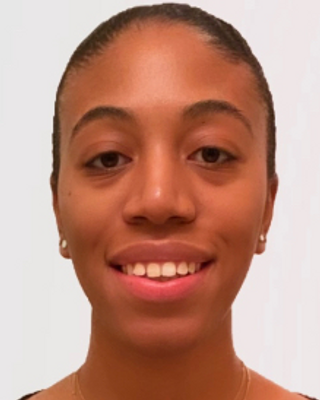
Danielle’s ideal client is a bariatric patient struggling to meet daily protein needs. Common concerns include low energy, confusion about which foods are appropriate, and uncertainty around high-protein sources. Clients often want guidance on protein goals and support with staying consistent with bariatric multivitamins.
Danielle’s ideal client is a bariatric patient struggling to meet daily protein needs. Common concerns include low energy, confusion about which foods are appropriate, and uncertainty around high-protein sources. Clients often want guidance on protein goals and support with staying consistent with bariatric multivitamins.
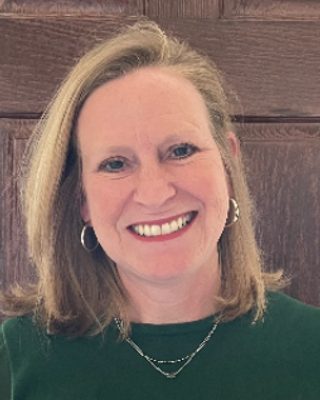
Her primary focus has been bariatric support, diabetes, IBS, and plant based nutrition, but her background also includes kidney disease, heart health, gut issues and malnutrition.
Specialities include: Bariatric Support, Weight Management and Weight Loss Medications, Diabetes, Kidney Disease, Plant-Based Eating, Heart Health and Mindful Eating.
Her primary focus has been bariatric support, diabetes, IBS, and plant based nutrition, but her background also includes kidney disease, heart health, gut issues and malnutrition.
Specialities include: Bariatric Support, Weight Management and Weight Loss Medications, Diabetes, Kidney Disease, Plant-Based Eating, Heart Health and Mindful Eating.
Kidney Disease/Renal Nutritionists and Dietitians
What are the symptoms of kidney disease?
The kidneys play a vital role in filtering blood and removing waste products from the body. Symptoms of kidney disease thus typically reflect the kidneys' reduced ability to perform these functions effectively; such symptoms include nausea, vomiting, changes in urination patterns, fatigue, hypertension (high blood pressure), and swelling or fluid retention in the body. Because kidney disease tends to be chronic, symptoms often develop gradually over time. Fortunately, diet modifications and lifestyle changes can be particularly important in managing kidney disease and preserving kidney function. Early intervention and lifestyle modifications are critical to prevent disease progression to end-stage kidney disease, which may require very invasive treatments like dialysis or a kidney transplant.
What foods should I avoid if I have kidney disease?
Managing diet is crucial for individuals with kidney disease to maintain kidney health. Specifically, it is important for individuals with kidney disease to avoid foods high in sodium, potassium, and phosphorus, as impaired kidneys may struggle to regulate these nutrients effectively, leading to complications such as hypertension and fluid retention. Choosing to prepare meals at home and avoiding processed foods—such as chips, canned goods, and soups—can significantly reduce sodium intake. Additionally, limiting consumption of high-potassium foods like bananas, oranges, beans, and dairy products, as well as phosphorus-rich foods such as whole grains, nuts, and certain dairy items, is important. Working with a dietitian specializing in renal nutrition can be a great option for those with kidney disease, as dietitians can provide tailored dietary strategies to support kidney function and offer individualized guidance on specific foods someone should avoid depending on the stage of their disease.
Can kidney disease be prevented with nutrition?
Adopting a healthy and balanced diet can play a critical role in reducing the risk of developing kidney disease. A diet that promotes healthy cholesterol levels and helps control blood pressure is particularly important, as these health factors can contribute to kidney disease risk. Additional strategies to support kidney health include limiting sodium intake to a maximum of 2,300 mg per day and maintaining healthy blood sugar levels. Managing diabetes and reducing consumption of high-sugar foods are essential, given that diabetes is a major contributor to kidney disease development. These dietary practices, alongside regular medical check-ups and lifestyle adjustments, can help mitigate one's risk of developing kidney disease.
What diet is best for people with kidney disease?
Instead of focusing on a single type of food, it is recommended that individuals with kidney disease follow dietary guidelines tailored to support kidney health. This often involves managing the intake of certain nutrients, such as sodium, potassium, and phosphorus, and maintaining a balanced diet rich in fiber, healthy fats, and lean protein. Nutrition experts also often recommend the Dietary Approaches to Stop Hypertension (DASH) diet for individuals with kidney disease. Known for its ability to lower blood pressure and improve heart health, the DASH diet emphasizes fruits, vegetables, whole grains, and low-fat dairy while reducing saturated fats. For those undergoing dialysis due to end-stage kidney disease, there may be additional dietary needs. Monitoring fluid intake and protein consumption closely is particularly crucial, as dialysis treatments can affect fluid and protein levels in the body.