Ketogenic Diet Nutritionists and Dietitians in Broken Arrow, OK
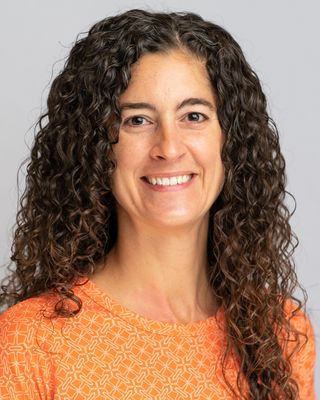
I am passionate about helping individuals achieve complete health physically, mentally, emotionally and spiritually. By combining my mental health, nutrition, and natural medicine education, I focus on holistic treatment. My goal is to find the root causes of symptoms and not simply treat the symptoms.
I am passionate about helping individuals achieve complete health physically, mentally, emotionally and spiritually. By combining my mental health, nutrition, and natural medicine education, I focus on holistic treatment. My goal is to find the root causes of symptoms and not simply treat the symptoms.
K&A Nutrition’s ideal client is seeking individualized, evidence-based nutrition care to improve health, manage a medical condition, or create sustainable lifestyle changes. In a world of social media influencers and conflicting nutrition messages, they want educated, sound guidance they can trust. Their goals include improving energy, supporting metabolic health, managing symptoms, and building confidence around food choices. They value clear, practical strategies tailored to their unique needs and long-term success.
K&A Nutrition’s ideal client is seeking individualized, evidence-based nutrition care to improve health, manage a medical condition, or create sustainable lifestyle changes. In a world of social media influencers and conflicting nutrition messages, they want educated, sound guidance they can trust. Their goals include improving energy, supporting metabolic health, managing symptoms, and building confidence around food choices. They value clear, practical strategies tailored to their unique needs and long-term success.
More Dietitians and Nutritionists Nearby

My ideal clients are individuals seeking better blood sugar control, sustainable weight loss, and improved overall health. Many come to my practice feeling overwhelmed by nutrition advice or frustrated by approaches that have not worked. As a Registered Dietitian and Certified Diabetes Care and Education Specialist, I provide personalized, practical guidance to help clients build realistic habits, feel more confident, and make steady progress toward lasting health goals.
My ideal clients are individuals seeking better blood sugar control, sustainable weight loss, and improved overall health. Many come to my practice feeling overwhelmed by nutrition advice or frustrated by approaches that have not worked. As a Registered Dietitian and Certified Diabetes Care and Education Specialist, I provide personalized, practical guidance to help clients build realistic habits, feel more confident, and make steady progress toward lasting health goals.
Ketogenic Diet Nutritionists and Dietitians
What foods can you eat on the ketogenic diet?
The ketogenic (or "keto") diet is a high-protein, high-fat, low-carbohydrate diet often used for weight management purposes. There are different variations of the ketogenic diet, but most variations call for limiting consumption of carbohydrate to 20-50 grams per day, in contrast to 200-300 grams per day in a regular diet. People following a ketogenic diet consume high-quality animal proteins (such as chicken, fish, and eggs), dairy products, nuts, seeds, and low-carbohydrate fruits and vegetables. Simultaneously, the diet requires a significant reduction or complete elimination of carbohydrate-rich foods, including breads, sugary foods, starchy vegetables, beans, alcohol, and most fruits.
How does the ketogenic diet work?
The ketogenic diet works by inducing a state of ketosis, where the body uses fat reserves for energy instead of carbohydrates. This shift leads to effective weight loss, as the body becomes more efficient at burning fat. Additionally, the diet's emphasis on fats and proteins, which are more satiating than high-carbohydrate foods, helps individuals feel fuller for longer. This increased satiety often results in a lower overall calorie intake, which can further support one's weight loss goals.
Are there risks to the ketogenic diet?
There are numerous risks to the ketogenic diet, prompting many nutrition experts to recommend it as a short-term rather than a long-term dietary approach. The diet often involves a high intake of meat and dairy products, which are rich in saturated fats. This can increase levels of LDL cholesterol, the "bad" cholesterol, raising the risk of cardiovascular disease, particularly in individuals with known high cholesterol or those at risk for cardiovascular disease. Additionally, because the ketogenic diet restricts carbohydrates, many people following a ketogenic diet significantly reduce their intake of fruits and vegetables, which are essential sources of key vitamins and minerals. This restriction can lead to deficiencies in nutrients primarily found in plant-based foods and thus potentially pose additional health risks.
Who is a ketogenic diet best for?
The ketogenic diet is most commonly utilized as a weight-loss strategy for individuals who are overweight or obese. However, it is particularly advantageous for those at risk for type 2 diabetes. This is largely due to the diet's ability to regulate blood sugar levels through the significant reduction of sugary foods and refined carbohydrates. By minimizing these high-carb foods, the ketogenic diet can lead to more stable blood sugar levels and improved insulin sensitivity. The ketogenic diet is also well-established in the treatment of epilepsy, particularly in children who do not respond well to traditional anti-seizure medications, and there are ongoing studies investigating the potential for the diet to be used in the prevention and treatment of certain cancers and other neurological diseases.