Vegetarian Nutritionists and Dietitians in Transylvania County, NC

Each patient that comes in to see me has a story to tell. I listen and address the root causes that guides each person towards a path to health and well-being. We will create an individualized program that includes meal planning and recipes, along with a functional approach to feeling better and getting the results you want. If needed, we can test for food sensitivities using LEAP/MRT, hormones, micronutrient deficiencies, cardiometabolic, and stool testing for gut health. This holistic approach assesses someone's body as a whole to bring balance back into one's life.
Each patient that comes in to see me has a story to tell. I listen and address the root causes that guides each person towards a path to health and well-being. We will create an individualized program that includes meal planning and recipes, along with a functional approach to feeling better and getting the results you want. If needed, we can test for food sensitivities using LEAP/MRT, hormones, micronutrient deficiencies, cardiometabolic, and stool testing for gut health. This holistic approach assesses someone's body as a whole to bring balance back into one's life.
Online Dietitians and Nutritionists

I enjoy working with a number of individuals including those who are looking to improve their relationship with food and their bodies, let go of beliefs about food that are preventing them from living a full life, and those who are struggling with chronic health concerns and wanting to learn more about nutrition habits that can be supportive to their well being.
I enjoy working with a number of individuals including those who are looking to improve their relationship with food and their bodies, let go of beliefs about food that are preventing them from living a full life, and those who are struggling with chronic health concerns and wanting to learn more about nutrition habits that can be supportive to their well being.
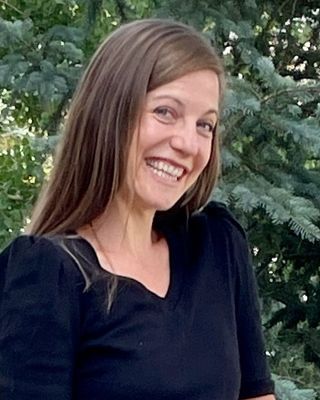
Hello! I am an Integrative & Functional Registered Dietitian specializing in Gut, Inflammatory and Metabolic Conditions.
I believe in the power of food as medicine and root-cause methodology to support my patients optimal health, to prevent and manage chronic diseases, and to promote wellness.
My approach utilizes an expanded toolkit of evidence-based Integrative and Functional Nutrition practices and can be employed to support a wide range of conditions. I offer advanced functional nutrition testing for food sensitivities, micronutrient deficiencies and stool testing.
Hello! I am an Integrative & Functional Registered Dietitian specializing in Gut, Inflammatory and Metabolic Conditions.
I believe in the power of food as medicine and root-cause methodology to support my patients optimal health, to prevent and manage chronic diseases, and to promote wellness.
My approach utilizes an expanded toolkit of evidence-based Integrative and Functional Nutrition practices and can be employed to support a wide range of conditions. I offer advanced functional nutrition testing for food sensitivities, micronutrient deficiencies and stool testing.
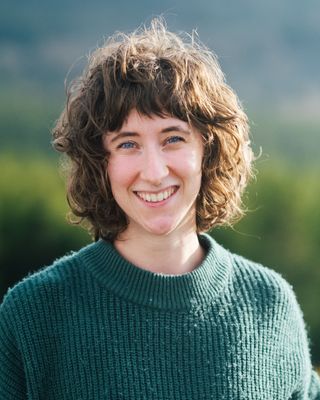
My ideal client is someone who is seeking support in building an intentional relationship with their body. I specialize in disordered eating dynamics that involve binge eating, fear of body changes, struggles with body image, and anxiety around food. I am additionally passionate about working with folks who experience sensory sensitivities, low appetite and/or trauma-associated food dysregulation. I create a space that celebrates queerness and those who identify as neurodivergent. My practice is fundamentally based in harm reduction, curiosity, and an individualized care approach.
My ideal client is someone who is seeking support in building an intentional relationship with their body. I specialize in disordered eating dynamics that involve binge eating, fear of body changes, struggles with body image, and anxiety around food. I am additionally passionate about working with folks who experience sensory sensitivities, low appetite and/or trauma-associated food dysregulation. I create a space that celebrates queerness and those who identify as neurodivergent. My practice is fundamentally based in harm reduction, curiosity, and an individualized care approach.
Vegetarian Nutritionists and Dietitians
What is a vegetarian diet?
A vegetarian diet is one that does not involve the consumption of meat and seafood. As a result, most vegetarians get their dietary protein from a variety of plant-based sources, such as nuts, tofu, beans, seeds, and whole grains. Vegetarians may also consume non-meat animal protein sources, such as eggs, cheese, and milk. Some individuals follow a vegetarian diet for health-related reasons, while others will follow it for ethical or environmental reasons.
Is a vegetarian diet healthier than a standard diet?
Because many animal meats are high in calories and saturated fats, they can contribute to health concerns like high cholesterol and hypertension. This makes a vegetarian diet an appealing alternative, especially for those with chronic health conditions such as heart disease or obesity. A vegetarian diet, which focuses on plant-based foods, often leads to lower calorie consumption overall. This can be particularly beneficial for individuals who are overweight or at risk of becoming so. Additionally, a well-planned vegetarian diet can provide all the necessary nutrients, supporting overall health while helping manage weight and reduce the risk of chronic diseases.
How do vegetarians get enough protein?
Vegetarians can easily consume enough protein with proper planning. Common vegetarian sources of protein include tofu, tempeh, nuts, beans, seeds, lentils, dairy products, eggs, and whole grains. People new to a vegetarian diet might find it helpful to track their protein intake initially to ensure they're getting enough. However, many vegetarians soon develop a routine where they regularly consume sufficient protein without needing to track it closely, given the current wide variety of plant-based protein options. Consulting a dietitian can also be beneficial, especially if meeting protein goals seems challenging with only plant-based sources.
When is it useful to go vegetarian?
Many people can benefit from a vegetarian diet, especially those looking to lower their risk of heart disease, diabetes, and some cancers. The health benefits of reducing or eliminating meat and increasing plant-based foods are well-documented, including improved cholesterol levels, better blood sugar control, and reduced inflammation. Nutrition professionals often stress that even cutting down on meat, without completely eliminating it, can still lead to significant health improvements. This makes a vegetarian or partially vegetarian diet an attractive option for those wanting to improve their overall health and reduce their risk of chronic conditions. Additionally, well-balanced plant-based diets are typically rich in fiber, vitamins, and antioxidants, which also support overall well-being and can additionally aid in weight loss or management.