Celiac Disease Nutritionists and Dietitians in Tippecanoe County, IN
There are no results for health professionals in Tippecanoe County
Check out health professionals located nearby or offering Teletherapy in Indiana below.Online Dietitians and Nutritionists
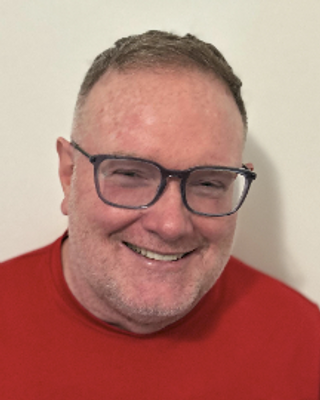
Hello! I am Doug Liner, a Registered Dietitian with 30 years of experience working with others in diabetes care, metabolic health, and weight loss. I work with a wide range of other medical conditions and hold a Certificate of training in Adult and Pediatric Obesity from the Commission on Dietetic Registration. I believe nutritional care should be approached through simple to understand and implement tools for daily living.
Hello! I am Doug Liner, a Registered Dietitian with 30 years of experience working with others in diabetes care, metabolic health, and weight loss. I work with a wide range of other medical conditions and hold a Certificate of training in Adult and Pediatric Obesity from the Commission on Dietetic Registration. I believe nutritional care should be approached through simple to understand and implement tools for daily living.
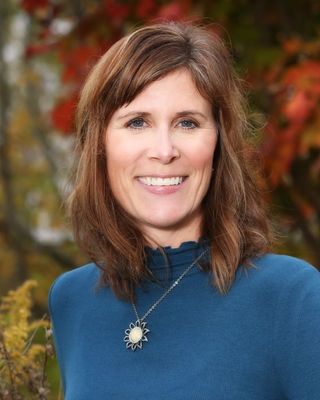
Managing gastrointestinal and autoimmune issues can be overwhelming. I see clients with a variety of GI and autoimmune issues, but I don't take a one size fits all approach. I start with what has been found to help most individuals with specific GI/autoimmune issues, then make changes from there. I work in collaboration with my clients to develop a plan that works to help with symptom management. Majority of my clients are frustrated with the length of their struggle, so I am available for questions, concerns and overall support.
Managing gastrointestinal and autoimmune issues can be overwhelming. I see clients with a variety of GI and autoimmune issues, but I don't take a one size fits all approach. I start with what has been found to help most individuals with specific GI/autoimmune issues, then make changes from there. I work in collaboration with my clients to develop a plan that works to help with symptom management. Majority of my clients are frustrated with the length of their struggle, so I am available for questions, concerns and overall support.

I believe every person deserves the chance to live a happy, healthy life. That's why I do what I do and live to inspire change by teaching foundational holistic health principles paired with a highly individualized integrative lens I take into every client conversation. Nutrition & Health doesn't have to be complex and complicated, confusing and frustrating... but yet far too many people are suffering from poor health, a broken standard healthcare system, and a society that doesn't help them live their life to the healthiest of their abilities. It's not easy going against the status quo, but IT IS necessary. Are you ready?
I believe every person deserves the chance to live a happy, healthy life. That's why I do what I do and live to inspire change by teaching foundational holistic health principles paired with a highly individualized integrative lens I take into every client conversation. Nutrition & Health doesn't have to be complex and complicated, confusing and frustrating... but yet far too many people are suffering from poor health, a broken standard healthcare system, and a society that doesn't help them live their life to the healthiest of their abilities. It's not easy going against the status quo, but IT IS necessary. Are you ready?

Erin is a Registered Dietitian who takes a patient-centered, collaborative approach to nutrition. She believes there is no one-size-fits-all plan and works with patients to explore their habits, goals, and lifestyle. Erin creates practical, personalized strategies that fit each person’s life, focusing on sustainable habits, confidence, and a positive relationship with food to support long-term health and well-being.
Erin is a Registered Dietitian who takes a patient-centered, collaborative approach to nutrition. She believes there is no one-size-fits-all plan and works with patients to explore their habits, goals, and lifestyle. Erin creates practical, personalized strategies that fit each person’s life, focusing on sustainable habits, confidence, and a positive relationship with food to support long-term health and well-being.
Celiac Disease Nutritionists and Dietitians
What is celiac disease?
Celiac disease is an autoimmune disorder in which the consumption of gluten, a protein found in wheat, barley, and rye, triggers a significant immune response within the body. This response damages the small intestine, specifically targeting the villi—small projections within the gut that are crucial for nutrient absorption. The destruction of these villi leads to malabsorption of essential nutrients, resulting in symptoms such as malnutrition, osteopenia, gastrointestinal distress, and deficiencies in vitamins and minerals. Fortunately, most individuals with celiac disease can manage their symptoms effectively by following a gluten-free diet, which often includes alternatives like rice-based products.
What foods are not allowed if you have celiac disease?
Since gluten is present in foods containing wheat, barley, or rye, consuming products with these ingredients can trigger celiac disease symptoms. Common sources of gluten include bread, pasta, baked goods, crackers, and cereal products. However, gluten can also be found in unexpected places, such as certain milk-based products, salad dressings, processed meats, and energy/nutrition bars. To avoid accidental gluten consumption, individuals with celiac disease should check ingredient labels and be aware of ingredients derived from gluten-containing grains, such as malt from barley.
What diet is best for people with celiac disease?
A gluten-free diet is the most effective way to manage the symptoms of celiac disease. The increasing availability of "gluten-free" products, along with the abundance of naturally gluten-free grains such as rice, potatoes, oats, quinoa, and corn, has made it easier to maintain a gluten-free lifestyle. Other than reducing or eliminating the consumption of gluten, however, there is no single diet that is best for individuals with celiac disease. Even without gluten, individuals can consume a balanced diet that includes fruits, vegetables, whole grains, and high-quality sources of protein. Indeed, consuming foods rich in vitamins and minerals is particularly important for those with celiac disease, as they often experience nutrient deficiencies due to malabsorption issues prior to diagnosis.
How can a dietitian help with celiac disease?
Dietitians can help with celiac disease by providing guidance on how to maintain a healthy gluten-free lifestyle. They can provide tips on how to avoid gluten-containing foods, including foods that may be at high-risk of gluten contamination. They can also offer substitution recommendations that ensure clients still consume enough healthy grains within their diet, and they can help clients navigate other resources that may be helpful in the management of their disease. In some cases, a dietitian may assist in identifying a gluten sensitivity; although registered dietitians (RDs) can't officially diagnose celiac disease, they may be particularly familiar with celiac disease symptoms and be able to help clients connect to a medical professional for further testing and treatment if they suspect a client may have the condition.