Gluten Free Nutritionists and Dietitians in Escambia County, FL
There are no results for health professionals in Escambia County
Check out health professionals located nearby or offering Teletherapy in Florida below.Online Dietitians and Nutritionists
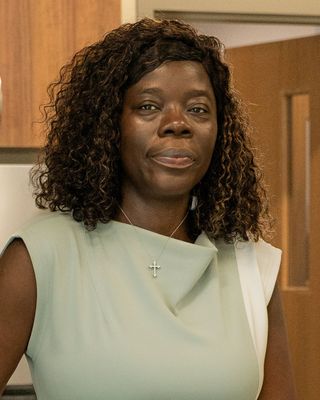
You may be feeling overwhelmed by nutrition advice, frustrated by past attempts that didn’t last, or unsure how to improve your health in a way that fits your lifestyle. You want clear, practical guidance—not restrictive rules—and support that supports your medical needs, lifestyle, and personal goals. You’re looking for sustainable change, better health, and a plan that finally feels achievable.
You may be feeling overwhelmed by nutrition advice, frustrated by past attempts that didn’t last, or unsure how to improve your health in a way that fits your lifestyle. You want clear, practical guidance—not restrictive rules—and support that supports your medical needs, lifestyle, and personal goals. You’re looking for sustainable change, better health, and a plan that finally feels achievable.

Award-winning Registered and Licensed Dietitian Nutritionist with 15+ years working with executives, professional athletes, and special operations professionals operating under sustained pressure.
My work sits at the intersection of performance nutrition, behavioral science, and emotional mastery.
I’ve supported elite operators and their families within hospital-based Sports Medicine and Primary Care systems, and contributed to the development of a longitudinal resiliency program for the CIA's Special Activities Center (SAC), addressing performance across the full operational lifecycle—physical, behavioral, and neurobiological.
Award-winning Registered and Licensed Dietitian Nutritionist with 15+ years working with executives, professional athletes, and special operations professionals operating under sustained pressure.
My work sits at the intersection of performance nutrition, behavioral science, and emotional mastery.
I’ve supported elite operators and their families within hospital-based Sports Medicine and Primary Care systems, and contributed to the development of a longitudinal resiliency program for the CIA's Special Activities Center (SAC), addressing performance across the full operational lifecycle—physical, behavioral, and neurobiological.
Gluten Free Nutritionists and Dietitians
What is a gluten-free diet?
A gluten-free diet is one that excludes all foods containing gluten, a protein found in wheat, barley, and rye. This means avoiding any grains and their derivatives, which are commonly found in foods like bread, pasta, beer, baked goods, cereals, and some sauces and soups. Gluten-free alternatives include grains and starches such as rice, corn, quinoa, and potatoes.
Who is a gluten-free diet best for?
A gluten-free diet is recommended for individuals with celiac disease, which is a condition where the body's immune system attacks the lining of the small intestine when gluten is consumed. Some individuals may also experience gluten sensitivity, which means that they experience digestive system symptoms following the consumption of gluten; this varies from celiac disease, which involves the immune system, but can still be detrimental to one's quality of life. Individuals with a sensitivity to gluten will often experience symptoms such as bloating, abdominal pain, and diarrhea following the consumption of gluten and may similarly benefit from a gluten-free diet.
What are the benefits of a gluten-free diet?
For individuals with celiac disease or gluten sensitivity, a gluten-free diet can significantly minimize symptoms and improve overall health. By eliminating gluten, people with these conditions can avoid symptoms such as abdominal pain, diarrhea, bloating, fatigue, and nutrient deficiencies. Additionally, a gluten-free diet can be crucial in preventing long-term complications of celiac disease, such as intestinal damage and malnutrition. However, a gluten-free diet is typically unnecessary for individuals without these conditions. In fact, whole grains like wheat, barley, and rye are rich in essential nutrients, including fiber, vitamins, and minerals, and can be part of a very healthy diet.
What foods are best for people who eat gluten-free?
People who eat gluten-free can substitute naturally gluten-free grains, such as rice, potatoes, oats, quinoa, and corn, in place of gluten-containing grain varieties. In addition, many of the foods that are essential to a balanced diet are naturally gluten-free, including fruits, vegetables, whole grains, and high-quality sources of protein. Including plenty of fruits and vegetables is particularly beneficial for people with celiac disease, as they contain essential vitamins, minerals, and dietary fiber, which can aid in digestion and support gut health.