Autism Nutritionists and Dietitians in Cape Coral, FL
There are no results for health professionals in Cape Coral
Check out health professionals located nearby or offering Teletherapy in Florida below.More Dietitians and Nutritionists Nearby
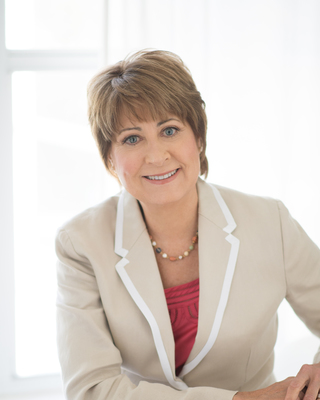
D-Signed Nutrition, LLC offers a unique approach to health and wellness. As a Registered, Licensed Dietitian, Certified Diabetes Educator and IFM Certified Functional Medicine Practitioner, Dee offers an integrative, personalized approach to solving your health concerns. If you are looking for someone to coordinate all aspects of your total health by addressing food, fitness, medical, stress management and environment then D-Signed Nutrition, LLC is your answer to better overall health for the long term. Please call for specific pricing. Quoted in this ad is for a one hour session. We recommend 2 hour visit for all new patients.
D-Signed Nutrition, LLC offers a unique approach to health and wellness. As a Registered, Licensed Dietitian, Certified Diabetes Educator and IFM Certified Functional Medicine Practitioner, Dee offers an integrative, personalized approach to solving your health concerns. If you are looking for someone to coordinate all aspects of your total health by addressing food, fitness, medical, stress management and environment then D-Signed Nutrition, LLC is your answer to better overall health for the long term. Please call for specific pricing. Quoted in this ad is for a one hour session. We recommend 2 hour visit for all new patients.
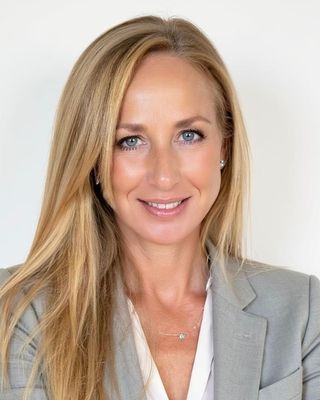
My approach is rooted in truly understanding the whole person. With over 25 years of experience as a Clinical Dietitian and a Licensed Mental Health Counselor, I bring an integrative perspective that bridges medical nutrition therapy, mental health, and sustainable behavior change. This dual background allows me to address concerns from a medical standpoint while also exploring the emotional, psychological, and lifestyle factors that influence health. I believe meaningful change happens when care extends beyond symptoms and includes the physical, psychological, and social environments shaping each individual's experience.
My approach is rooted in truly understanding the whole person. With over 25 years of experience as a Clinical Dietitian and a Licensed Mental Health Counselor, I bring an integrative perspective that bridges medical nutrition therapy, mental health, and sustainable behavior change. This dual background allows me to address concerns from a medical standpoint while also exploring the emotional, psychological, and lifestyle factors that influence health. I believe meaningful change happens when care extends beyond symptoms and includes the physical, psychological, and social environments shaping each individual's experience.
Online Dietitians and Nutritionists
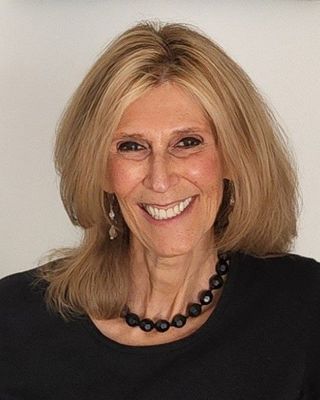
I am classically trained as a Registered Dietitian & Clinical Nutritionist, but specialize in Integrative & Functional Medicine. I have extensive expertise in nutrient, herbal and pharmaceutical interventions as well as lifestyle and integrative wellness approaches. In practice for over 45 years, I support clients challenged with auto-immune & inflammatory diseases, GI disorders, cardiovascular, endocrine, neurological & neuromuscular conditions. My clients receive a completely personalized "roadmap to health" that is designed for their unique lifestyle, preferences, health challenges and goals.
I am classically trained as a Registered Dietitian & Clinical Nutritionist, but specialize in Integrative & Functional Medicine. I have extensive expertise in nutrient, herbal and pharmaceutical interventions as well as lifestyle and integrative wellness approaches. In practice for over 45 years, I support clients challenged with auto-immune & inflammatory diseases, GI disorders, cardiovascular, endocrine, neurological & neuromuscular conditions. My clients receive a completely personalized "roadmap to health" that is designed for their unique lifestyle, preferences, health challenges and goals.
Autism Nutritionists and Dietitians
What is the link between autism and diet?
While there is no evidence to suggest that autism is caused by diet, some individuals with autism face challenges related to food that highlight the importance of considering how diet and autism may be connected. Studies have shown that individuals with autism are more likely to have inadequate food intake compared to the general population. Many people with autism experience feeding issues due to sensory-related challenges. Just as loud sounds or bright lights can trigger sensory overload, the consistency, texture, smell, and strong taste of some foods can similarly cause sensory overload for individuals with autism, potentially leading to food aversion and/or malnutrition. Additionally, studies have indicated that individuals with autism often have different concentrations of bacteria within their gut microbiome, which may influence their response to food; however, much more research is needed to fully understand this connection.
What is autism food aversion?
Autism-related food aversion occurs when individuals with autism strongly dislike specific foods. This aversion is often triggered by sensory experiences such as texture, taste, smell, or how the food is presented. Some individuals with autism may also avoid certain foods due to concerns about choking or difficulty swallowing. The specific foods that individuals with autism avoid can vary widely. For example, crunchy foods like chips or carrots may be avoided due to the intense sensory experience they provide when eaten. On the other hand, soft foods with a gooey texture, such as applesauce or cottage cheese, may also trigger food aversion because of their specific textures.
What diet is best for people with autism?
There is no single best diet for individuals with autism, but experts generally recommend a balanced, plant-based diet rich in fruits, vegetables, whole grains, and low-fat proteins. However, due to potential food aversions, maintaining this balanced diet can be challenging for some. In such cases, experimenting with different foods and cooking methods may become important to ensure adequate nutrition. For example, while raw vegetables may be off-putting to some with autism due to sensory-related aversions, cooking them might make them more appealing and easier to consume. This illustrates that the presentation and preparation of food can often be more crucial than the specific type of food consumed. Ultimately, this tailored approach to individual sensory sensitivities and preferences can be essential to ensure that individuals with autism can still meet their nutritional needs.
Should people with autism see a dietitian?
Individuals with autism may benefit from seeing a dietitian if their challenges around food are impacting their ability to eat a healthy and balanced diet. For instance, if food-related sensory issues are limiting the ability of someone with autism to eat essential vitamins and minerals, a dietitian may be able to suggest strategies to overcome these challenges. It is important to look for a dietitian who has expertise in autism, as not all dietitians may be knowledgeable about working with individuals on the autism spectrum. In addition, it is important to look for a dietitian who is willing to work with other professionals of the individual's care team, such as therapists, who may also be working on topics related to food.