Postpartum Nutrition Nutritionists and Dietitians in Sussex County, DE
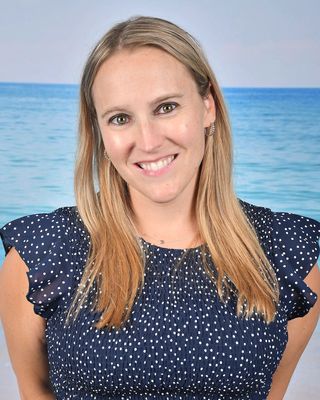
Kristin has over 14 years of expertise in the health and wellness field counseling clients in a multitude of settings to include: employee wellness programs, school wellness centers, hospitals, long-term care facilities, cancer centers. She has been practicing in the telehealth arena for over four years.
Kristin has over 14 years of expertise in the health and wellness field counseling clients in a multitude of settings to include: employee wellness programs, school wellness centers, hospitals, long-term care facilities, cancer centers. She has been practicing in the telehealth arena for over four years.
Online Dietitians and Nutritionists
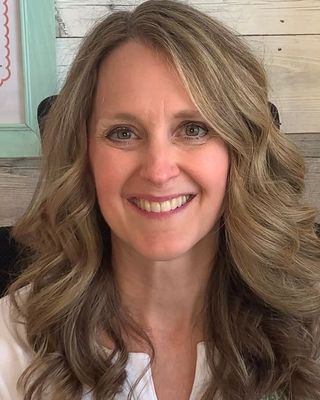
Why choose Healthy You Nutrition? I have 30 years of experience as a Registered Dietitian Nutritionist helping children and adults navigate their health journey by improving eating behaviors, supporting sustainable weight management, and addressing nutrition concerns that affect overall health. Many of my clients come to me after years of dieting, frustration with food, or difficulty maintaining healthy habits in real life.
Why choose Healthy You Nutrition? I have 30 years of experience as a Registered Dietitian Nutritionist helping children and adults navigate their health journey by improving eating behaviors, supporting sustainable weight management, and addressing nutrition concerns that affect overall health. Many of my clients come to me after years of dieting, frustration with food, or difficulty maintaining healthy habits in real life.

Because of my own personal health journey, I empathize with people who feel trapped and worried that their health challenges have become the new normal. I support my clients and make their voices heard in order to tackle the health challenge head-on.
Because of my own personal health journey, I empathize with people who feel trapped and worried that their health challenges have become the new normal. I support my clients and make their voices heard in order to tackle the health challenge head-on.
Not sure what to eat during pregnancy or postpartum?
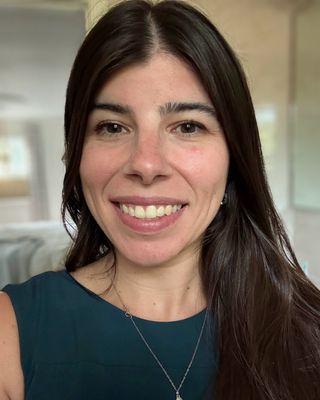
As the owner of Family Centered Nutrition Science, I believe that good nutrition should be practical, evidence-based, and tailored to your family’s real life - not just a set of rigid rules. I use principles of intuitive eating to help your family eat healthy AND develop a healthy relationship with food.
Not sure what to eat during pregnancy or postpartum?
As the owner of Family Centered Nutrition Science, I believe that good nutrition should be practical, evidence-based, and tailored to your family’s real life - not just a set of rigid rules. I use principles of intuitive eating to help your family eat healthy AND develop a healthy relationship with food.
Postpartum Nutrition Nutritionists and Dietitians
What is postpartum nutrition?
Postpartum nutrition refers to the dietary practices and consumption of specific foods during the postpartum period, when the mother is recovering from childbirth and breastfeeding. Proper nutrition during this time is essential and can help replenish nutrients lost during childbirth, aid in healing, and ensure an adequate milk supply for the baby. Nutrition professionals specializing in postpartum nutrition can provide personalized consultation, helping new mothers identify the best foods for recovery and breastfeeding. They can also offer practical advice on adjusting eating habits to fit into the new routine of caring for a newborn.
Why is nutrition important during the postpartum period?
A healthy and balanced diet during the postpartum period is essential for both recovery from childbirth and supporting breastfeeding. Consuming a variety of nutrient-rich foods, such as whole grains, lean proteins, fruits, vegetables, and healthy fats, is crucial during this time. Additionally, breastfeeding women burn an extra 300-500 calories per day on average, so it’s important for them to consume enough calories to meet this increased demand. Key nutrients such as iodine, choline, and iron are particularly important during the postpartum period, as they play vital roles in maternal health and infant development. To ensure all nutrient requirements are met, doctors may recommend dietary supplements to help women get enough essential nutrients during the postpartum period.
What foods should I avoid postpartum?
Nutrition experts generally advise women to avoid alcohol, caffeine, and high-sugar foods during the postpartum period. It's also recommended that postpartum mothers avoid foods that may contain high levels of harmful chemicals, such as certain fish like mackerel, swordfish, and tuna, which can contain high mercury levels that may negatively affect a newborn's development if passed through breastmilk. Additionally, foods with strong smells and flavors, such as garlic, are often discouraged as they may cause the baby to reject breastfeeding due to taste preferences.
What diet is best for breastfeeding mothers?
For breastfeeding mothers, a well-rounded and nutritious diet is essential to support both the mother's health and the baby's growth and development. In general, it is recommended that breastfeeding mother's focus on consuming a balanced diet that contains whole grains, vegetables, fruits, healthy fats, and lean protein sources. In particular, ensuring that one is getting enough protein can be critical to ensuring sufficient breast milk supply. Sources of such protein include dairy products, lean meats, eggs, nuts and seeds, and beans. Additionally, certain fish that are low in mercury, like salmon, bluefish, and bass, are particularly beneficial, as they provide omega-3 fatty acids, including docosahexaenoic acid (DHA), which supports healthy infant brain development.