Polycystic Ovarian Syndrome (PCOS) Nutritionists and Dietitians in Sussex County, DE

My approach goes beyond meal plans and scale numbers. I look at the full picture:
nutrition, gut health, hormones, blood sugar regulation, lifestyle habits, and more.
Whether you're managing diabetes, chronic inflammation, metabolic issues, or just want
to feel better in your body, we'll work together to create a plan that fits your life and get
to the root cause behind your symptoms. My goal is to be your guide, not just put a
bandaid over your problem, but to help you reconnect with your health and makes sense
of your symptoms, and build sustainable habits that support long-term wellness.
My approach goes beyond meal plans and scale numbers. I look at the full picture:
nutrition, gut health, hormones, blood sugar regulation, lifestyle habits, and more.
Whether you're managing diabetes, chronic inflammation, metabolic issues, or just want
to feel better in your body, we'll work together to create a plan that fits your life and get
to the root cause behind your symptoms. My goal is to be your guide, not just put a
bandaid over your problem, but to help you reconnect with your health and makes sense
of your symptoms, and build sustainable habits that support long-term wellness.
Online Dietitians and Nutritionists
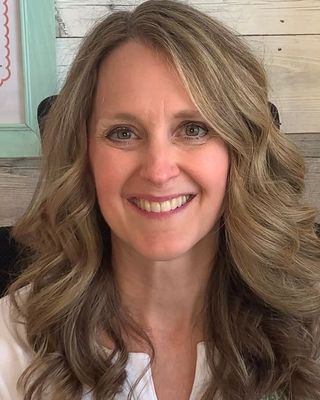
Why choose Healthy You Nutrition? I have 30 years of experience as a Registered Dietitian Nutritionist helping children and adults navigate their health journey by improving eating behaviors, supporting sustainable weight management, and addressing nutrition concerns that affect overall health. Many of my clients come to me after years of dieting, frustration with food, or difficulty maintaining healthy habits in real life.
Why choose Healthy You Nutrition? I have 30 years of experience as a Registered Dietitian Nutritionist helping children and adults navigate their health journey by improving eating behaviors, supporting sustainable weight management, and addressing nutrition concerns that affect overall health. Many of my clients come to me after years of dieting, frustration with food, or difficulty maintaining healthy habits in real life.

Welcome! I’m so glad you’re here.
My passion is to help clients feel comfortable in their bodies through nutrition and discover the endless possibilities nutrition and holistic health can offer.
I enjoy helping clients find natural remedies to their chronic health conditions. Where medication is necessary, I enjoy helping clients navigate nutrition-related side effects, medication induced deficiencies, and/or adjunctive treatments/nutrients that can aid and assist their medications.
I am also passionate about helping clients navigate the influx of (often conflicting) nutrition information that we are exposed to on a daily basis!
Welcome! I’m so glad you’re here.
My passion is to help clients feel comfortable in their bodies through nutrition and discover the endless possibilities nutrition and holistic health can offer.
I enjoy helping clients find natural remedies to their chronic health conditions. Where medication is necessary, I enjoy helping clients navigate nutrition-related side effects, medication induced deficiencies, and/or adjunctive treatments/nutrients that can aid and assist their medications.
I am also passionate about helping clients navigate the influx of (often conflicting) nutrition information that we are exposed to on a daily basis!

Not sure what to eat during pregnancy or postpartum? Nervous about starting solids? Want to help your picky eater?
Hi, I’m Dr. Megan Bragg, a dietitian, nutrition researcher, and mother of two. With a PhD in nutrition and expertise in maternal/child health, I use my research skills to navigate through nutrition misinformation, so you don’t have to.
Not sure what to eat during pregnancy or postpartum? Nervous about starting solids? Want to help your picky eater?
Hi, I’m Dr. Megan Bragg, a dietitian, nutrition researcher, and mother of two. With a PhD in nutrition and expertise in maternal/child health, I use my research skills to navigate through nutrition misinformation, so you don’t have to.

Because of my own personal health journey, I empathize with people who feel trapped and worried that their health challenges have become the new normal. I support my clients and make their voices heard in order to tackle the health challenge head-on.
Because of my own personal health journey, I empathize with people who feel trapped and worried that their health challenges have become the new normal. I support my clients and make their voices heard in order to tackle the health challenge head-on.
Polycystic Ovarian Syndrome (PCOS) Nutritionists and Dietitians
What is Polycystic ovarian syndrome (PCOS)?
Polycystic ovarian syndrome (PCOS) is a condition characterized by hormonal imbalance, leading to symptoms such as irregular or absent periods, weight gain, excess hair growth, infertility, and acne. The exact causes of PCOS are not well understood, but it is believed to result from a combination of genetic and lifestyle factors, including stress and nutrition.
How is PCOS treated?
PCOS is typically treated with a combination of medication and lifestyle changes. Many individuals with PCOS are prescribed birth control medication to help regulate the abnormal hormone levels associated with the condition. With regard to lifestyle modifications, healthcare professionals often recommend maintaining a balanced, healthy diet and engaging in regular physical activity. This is particularly important for women diagnosed with obesity or diabetes, as weight loss and improved insulin regulation can significantly alleviate PCOS symptoms.
What diet is best for people with PCOS?
In general, experts recommend a plant-based diet high in fiber, healthy fats, and lean protein as the best nutritional approach to managing PCOS. Because women diagnosed with PCOS are at a higher risk of specific conditions, such as type 2 diabetes, hypertension, and heart problems, a diet that helps prevent such conditions can be highly effective. The "Mediterranean diet," characterized by the consumption of lots of healthy fats, vegetables, beans, and whole grains is one common diet with evidence supporting its efficacy in preventing cardiovascular and metabolic diseases. In addition, other lifestyle modifications that support weight management and healthy insulin levels—such as exercise, smoking cessation, and alcohol consumption reduction—are often also incorporated into PCOS treatment.
What foods should people with PCOS avoid?
Due to the high blood sugar levels and insulin resistance characteristic of PCOS, experts typically advise individuals with PCOS to avoid foods that cause large blood sugar spikes, such as sugary snacks and refined carbs like white bread. Instead, they recommend consuming foods rich in healthy fats, whole grains, and fiber, which can help stabilize blood sugar levels. Individuals with PCOS may also find that certain foods trigger their symptoms. Therefore, identifying and avoiding these specific foods can be important for reducing symptom severity on an individual level.