Vegetarian Nutritionists and Dietitians in Aspen, CO

I work with clients of all ages to live their healthiest and happiest life. I work with people for sports nutrition, weight management, gut and food sensitivity health, chronic disease management, pregnancy, and every aspect of wellness in a functional medicine model. I can help you achieve attainable results while getting of of the constant cycle of yo-yo dieting and feeling unwell.
I work with clients of all ages to live their healthiest and happiest life. I work with people for sports nutrition, weight management, gut and food sensitivity health, chronic disease management, pregnancy, and every aspect of wellness in a functional medicine model. I can help you achieve attainable results while getting of of the constant cycle of yo-yo dieting and feeling unwell.
Online Dietitians and Nutritionists
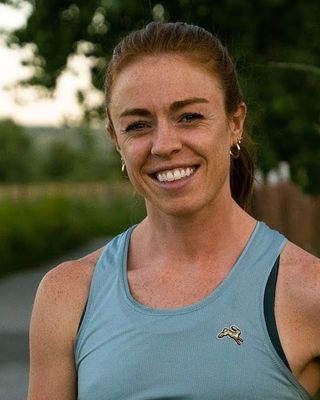
With a dual specialty in eating disorder treatment and sports nutrition, I help clients in any phase of their nutrition journey. Whether you are stepping down from a higher level of eating disorder care and looking for continued support, struggling with Relative Energy Deficiency in Sport (RED-S), or are working toward a personal best in your next race, I am here to help.
With a dual specialty in eating disorder treatment and sports nutrition, I help clients in any phase of their nutrition journey. Whether you are stepping down from a higher level of eating disorder care and looking for continued support, struggling with Relative Energy Deficiency in Sport (RED-S), or are working toward a personal best in your next race, I am here to help.

I work one-on-one with clients in a supportive, collaborative environment and utilize a totally customized approach that is specifically tailored towards each client’s individual needs. Unlike a fad diet or generic meal plan, my nutrition counseling program works because I get to know my clients on a personal level to really understand their unique challenges so that I can provide realistic, sustainable action plans to help them reach — and maintain — their long-term goals. I aim to empower my clients with the knowledge and tools they need to continue their health journey with confidence and clarity!
I work one-on-one with clients in a supportive, collaborative environment and utilize a totally customized approach that is specifically tailored towards each client’s individual needs. Unlike a fad diet or generic meal plan, my nutrition counseling program works because I get to know my clients on a personal level to really understand their unique challenges so that I can provide realistic, sustainable action plans to help them reach — and maintain — their long-term goals. I aim to empower my clients with the knowledge and tools they need to continue their health journey with confidence and clarity!
Vegetarian Nutritionists and Dietitians
What is a vegetarian diet?
A vegetarian diet is one that does not involve the consumption of meat and seafood. As a result, most vegetarians get their dietary protein from a variety of plant-based sources, such as nuts, tofu, beans, seeds, and whole grains. Vegetarians may also consume non-meat animal protein sources, such as eggs, cheese, and milk. Some individuals follow a vegetarian diet for health-related reasons, while others will follow it for ethical or environmental reasons.
Is a vegetarian diet healthier than a standard diet?
Because many animal meats are high in calories and saturated fats, they can contribute to health concerns like high cholesterol and hypertension. This makes a vegetarian diet an appealing alternative, especially for those with chronic health conditions such as heart disease or obesity. A vegetarian diet, which focuses on plant-based foods, often leads to lower calorie consumption overall. This can be particularly beneficial for individuals who are overweight or at risk of becoming so. Additionally, a well-planned vegetarian diet can provide all the necessary nutrients, supporting overall health while helping manage weight and reduce the risk of chronic diseases.
How do vegetarians get enough protein?
Vegetarians can easily consume enough protein with proper planning. Common vegetarian sources of protein include tofu, tempeh, nuts, beans, seeds, lentils, dairy products, eggs, and whole grains. People new to a vegetarian diet might find it helpful to track their protein intake initially to ensure they're getting enough. However, many vegetarians soon develop a routine where they regularly consume sufficient protein without needing to track it closely, given the current wide variety of plant-based protein options. Consulting a dietitian can also be beneficial, especially if meeting protein goals seems challenging with only plant-based sources.
When is it useful to go vegetarian?
Many people can benefit from a vegetarian diet, especially those looking to lower their risk of heart disease, diabetes, and some cancers. The health benefits of reducing or eliminating meat and increasing plant-based foods are well-documented, including improved cholesterol levels, better blood sugar control, and reduced inflammation. Nutrition professionals often stress that even cutting down on meat, without completely eliminating it, can still lead to significant health improvements. This makes a vegetarian or partially vegetarian diet an attractive option for those wanting to improve their overall health and reduce their risk of chronic conditions. Additionally, well-balanced plant-based diets are typically rich in fiber, vitamins, and antioxidants, which also support overall well-being and can additionally aid in weight loss or management.