Eating Disorders Nutritionists and Dietitians in Fayetteville, AR
Clients I work well with are those with active eating disorders or enduring eating disorders, neurodivergent clients, and clients with co-occurring substance use/addiction and/or trauma.
I have over seven years of experience in the eating disorder field and have worked with all ages at every level of eating disorder care and have experience in mental health/substance use treatment. My approach is compassionate, science-backed, and a little bit of playfulness. Modalities used are CBT, DBT, experiential work, and HAES.
Clients I work well with are those with active eating disorders or enduring eating disorders, neurodivergent clients, and clients with co-occurring substance use/addiction and/or trauma.
I have over seven years of experience in the eating disorder field and have worked with all ages at every level of eating disorder care and have experience in mental health/substance use treatment. My approach is compassionate, science-backed, and a little bit of playfulness. Modalities used are CBT, DBT, experiential work, and HAES.
A nutrition consultation is a great start to develop a healthy relationship with food. A personalized eating plan will be developed as a foundation to achieve your health goals. Together we will identify behaviors & beliefs that previously hindered your efforts. Your eating will be defined as "Purposeful", addressing awareness of eating pace and hunger/satiety cues. Component Cooking, a simplistic meal prep from grocery store to pantry offers practical application. Learn to eat by guidelines not rigid rules. Break the all-or-nothing eating cycle. Abandon "cheat days".
A nutrition consultation is a great start to develop a healthy relationship with food. A personalized eating plan will be developed as a foundation to achieve your health goals. Together we will identify behaviors & beliefs that previously hindered your efforts. Your eating will be defined as "Purposeful", addressing awareness of eating pace and hunger/satiety cues. Component Cooking, a simplistic meal prep from grocery store to pantry offers practical application. Learn to eat by guidelines not rigid rules. Break the all-or-nothing eating cycle. Abandon "cheat days".
More Dietitians and Nutritionists Nearby
Registered dietitians specializing in the nutrition treatment of adults and adolescents with eating disorders.
As all patients have a different, unique story to tell, we tailor our approach to fit the needs of our clients. We meet clients where they are at and look beyond nutrition intake e.g. sleep quality, emotional health, family dynamics to better understand the factors impacting health.
Registered dietitians specializing in the nutrition treatment of adults and adolescents with eating disorders.
As all patients have a different, unique story to tell, we tailor our approach to fit the needs of our clients. We meet clients where they are at and look beyond nutrition intake e.g. sleep quality, emotional health, family dynamics to better understand the factors impacting health.
I help clients who are struggling with disordered eating patterns and body Image concerns. Regardless of if they have a formal diagnosis, have sought treatment before, or are feeling ambivalent about recovery, I believe healing is possible.
I help clients who are struggling with disordered eating patterns and body Image concerns. Regardless of if they have a formal diagnosis, have sought treatment before, or are feeling ambivalent about recovery, I believe healing is possible.
Online Dietitians and Nutritionists
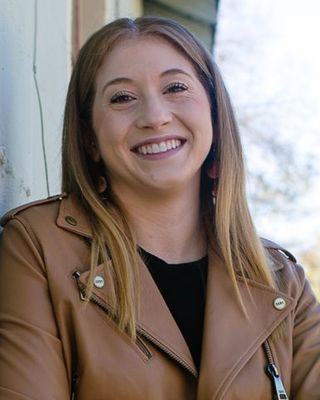
I have experience working with clients with the following eating disorder diagnoses: Avoidant/Restrictive Food Intake Disorder (ARFID), Binge Eating Disorder, Bulimia Nervosa, Anorexia Nervosa, Rumination Disorder, Orthorexia, and Other Specified Feeding or Eating Disorder (OSFED).
I enjoy helping clients gain a better understanding of themselves so they can make sustainable changes. There are so many factors that shape eating patterns: genetics, religious practices, trauma, mental health conditions, food sensitivities/allergies, etc. Let's get down to the root of what is causing your challenges with food.
I have experience working with clients with the following eating disorder diagnoses: Avoidant/Restrictive Food Intake Disorder (ARFID), Binge Eating Disorder, Bulimia Nervosa, Anorexia Nervosa, Rumination Disorder, Orthorexia, and Other Specified Feeding or Eating Disorder (OSFED).
I enjoy helping clients gain a better understanding of themselves so they can make sustainable changes. There are so many factors that shape eating patterns: genetics, religious practices, trauma, mental health conditions, food sensitivities/allergies, etc. Let's get down to the root of what is causing your challenges with food.
Eating Disorders Nutritionists and Dietitians
What are the most common types of eating disorders?
The most common types of eating disorders include anorexia nervosa, bulimia nervosa, binge eating disorder, and avoidant/restrictive food intake disorder (ARFID). Individuals may also be diagnosed with "other specified feeding or eating disorder" (OSFED), which is a type of eating disorder diagnosed when a client does not meet the full criteria for anorexia, bulimia, or binge eating disorder but still experiences significant distress related to eating.
What diet is best for eating disorder recovery?
Because eating disorders vary widely in symptoms and severity, there is no single best diet for recovery. While not all individuals with eating disorders are underweight and require weight gain during recovery, those who do may particularly benefit from consuming balanced meals on a more structured schedule. This approach helps establish a regular eating pattern and regulate hunger cues. In general, eating disorder dietitians recommend that clients focus on improving their overall relationship with food and eliminating certain "food rules," while also ensuring they consume an appropriate amount. For example, clients with anorexia nervosa often have significant fears surrounding the consumption of high-calorie foods; dietitians may encourage these clients to include such foods in their diet in a balanced manner to help facilitate recovery and achieve a more normalized state of eating. Conversely, clients with bulimia or binge eating disorder may benefit from a diet that avoids foods that are particularly triggering for them to binge on. Many clients with eating disorders benefit from seeing a dietitian who specializes in eating disorders in order to ensure that their diet meets their specific recovery-related needs.
How are eating disorders treated?
Eating disorder treatment often involves a multidisciplinary team of clinicians working together to address the various aspects of the condition. A physician typically monitors physical changes and health problems, a therapist addresses underlying thoughts and emotions, and a dietitian develops a plan to help the patient achieve and maintain a healthy weight. While most individuals can be treated in an outpatient setting, some may require more intensive care provided by residential or inpatient facilities. In addition, early intervention for disordered eating can significantly increase the likelihood of a successful recovery, and ongoing support and monitoring are also crucial to prevent relapse and sustain progress.
How do dietitians help people with eating disorders?
Nutrition counseling is a crucial component of eating disorder recovery, and dietitians play a vital role in this process. They help clients develop personalized meal plans to meet their nutritional goals, which is particularly beneficial for those who need to gain weight after periods of food restriction. Dietitians also encourage healthier eating patterns by helping clients incorporate foods they may have previously avoided due to eating disorder behaviors. Additionally, eating disorder dietitians often collaborate with other members of the client's care team, such as medical doctors, psychiatrists, and therapists, to provide comprehensive support. This multidisciplinary approach is especially important for clients with medical conditions related to their eating disorder, such as heart issues or electrolyte imbalances, which require close supervision by a medical doctor in coordination with a dietitian.