Intuitive Eating Nutritionists and Dietitians in 99352
There are no results for health professionals in 99352
Check out health professionals located nearby or offering Teletherapy in Washington below.More Dietitians and Nutritionists Nearby
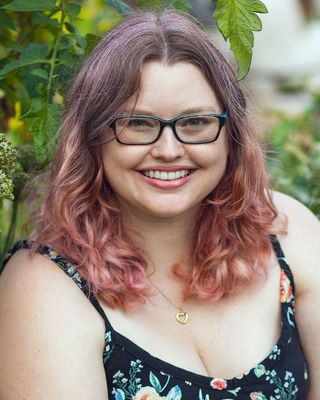
Specialties include weight neutral care, eating disorders, intuitive eating, integrative and functional nutrition, medical nutrition therapy, gerontology, trauma informed care, diabetes, heart disease, kidney disease and more.
Catherine Brown provides outpatient nutrition therapy to diverse populations. She has a special focus on mental illness and how nutrition can play a role in supporting psychological health. As someone with several disabilities, Catherine hopes to create a safe space where nutrition therapy can be accessible to everyone
Specialties include weight neutral care, eating disorders, intuitive eating, integrative and functional nutrition, medical nutrition therapy, gerontology, trauma informed care, diabetes, heart disease, kidney disease and more.
Catherine Brown provides outpatient nutrition therapy to diverse populations. She has a special focus on mental illness and how nutrition can play a role in supporting psychological health. As someone with several disabilities, Catherine hopes to create a safe space where nutrition therapy can be accessible to everyone
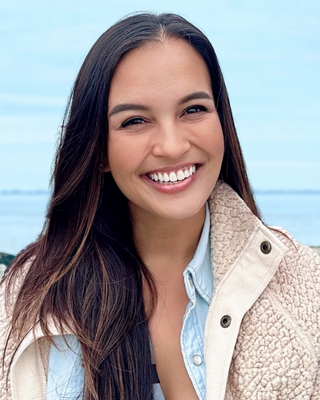
My approach focuses on realistic strategies and intuitive eating to support sustainable health.
You may feel overwhelmed by conflicting nutrition advice, frustrated that past approaches haven’t worked, or worried about your child's eating. You might be looking for guidance that fits your day-to-day life and supports your health - without rigid rules or food guilt. Many of my clients are individuals working on their nutrition habits, managing health conditions, families navigating feeding challenges, or neurodivergent adults and children who benefit from flexible, sensory-aware strategies around food. They all have one thing in common: wanting a more peaceful relationship with food.
My approach focuses on realistic strategies and intuitive eating to support sustainable health.
You may feel overwhelmed by conflicting nutrition advice, frustrated that past approaches haven’t worked, or worried about your child's eating. You might be looking for guidance that fits your day-to-day life and supports your health - without rigid rules or food guilt. Many of my clients are individuals working on their nutrition habits, managing health conditions, families navigating feeding challenges, or neurodivergent adults and children who benefit from flexible, sensory-aware strategies around food. They all have one thing in common: wanting a more peaceful relationship with food.
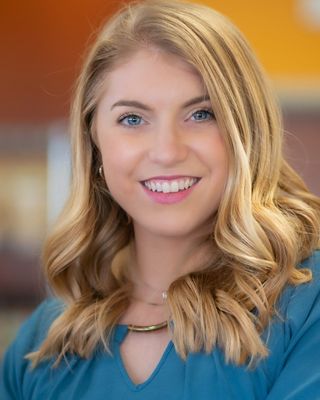
I work with patients navigating the complex world of cardiometabolic conditions, PCOS, and chronic health challenges who feel overwhelmed by conflicting advice and failed quick fixes. They're seeking more than temporary solutions—they want sustainable, science-based approaches that honor their unique circumstances and busy lives. These are people ready to dig deeper, understanding that true health transformation requires addressing root causes rather than just managing symptoms. They value expertise but also need genuine understanding of how difficult it can be to change lifelong patterns while juggling work, family, and
I work with patients navigating the complex world of cardiometabolic conditions, PCOS, and chronic health challenges who feel overwhelmed by conflicting advice and failed quick fixes. They're seeking more than temporary solutions—they want sustainable, science-based approaches that honor their unique circumstances and busy lives. These are people ready to dig deeper, understanding that true health transformation requires addressing root causes rather than just managing symptoms. They value expertise but also need genuine understanding of how difficult it can be to change lifelong patterns while juggling work, family, and
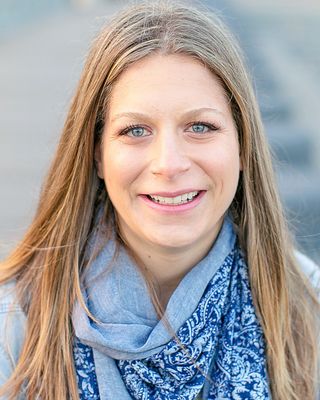
Focus areas include treatment of eating disorders and disordered eating, where Laura has specialized training, intuitive eating, ADHD / anxiety / depression and other mental health conditions, behavior modification, and more.
Laura is a Registered Dietitian Nutritionist (RDN) with a background in psychology that focuses on helping clients cultivate a safe and nourishing relationship with food and eating while supporting their mental health. She believes health is so much more than what we eat, so she has a special focus at the intersection of nutrition and psychological wellbeing. Laura has won numerous awards for her holistic approach to care, including Dietitian of the Year at New York Presbyterian Hospital - one of the largest health systems in NYC.
Focus areas include treatment of eating disorders and disordered eating, where Laura has specialized training, intuitive eating, ADHD / anxiety / depression and other mental health conditions, behavior modification, and more.
Laura is a Registered Dietitian Nutritionist (RDN) with a background in psychology that focuses on helping clients cultivate a safe and nourishing relationship with food and eating while supporting their mental health. She believes health is so much more than what we eat, so she has a special focus at the intersection of nutrition and psychological wellbeing. Laura has won numerous awards for her holistic approach to care, including Dietitian of the Year at New York Presbyterian Hospital - one of the largest health systems in NYC.
Intuitive Eating Nutritionists and Dietitians
What is intuitive eating?
Intuitive eating is a nutritional philosophy that emphasizes the use of physical hunger cues and satisfaction to guide eating, while rejecting common principles of weight loss, dieting, and restriction. Intuitive eating was popularized by Evelyn Tribole and Elyse Resch, two Registered Dietitians specializing in eating disorders who outlined 10 principles of intuitive eating that continue to shape the approach today: Reject the Diet Mentality, Honor Your Hunger, Make Peace with Food, Challenge the Food Police, Respect Your Fullness, Discover the Satisfaction Factor, Honor Your Feelings without Using Food, Respect Your Body, Exercise—”Feel the Difference, and Honor Your Health with Gentle Nutrition.”
What does an intuitive eating dietitian do?
An intuitive eating dietitian applies the key principles of intuitive eating to their work with clients, helping them honor their hunger, reduce dietary restriction or "food rules," and improve their body image. Unlike dietitians who prescribe strict dietary changes or meal plans, intuitive eating dietitians often take a more holistic approach with clients. They may discuss the physical aspects of intuitive eating with clients, such as helping clients identify when they experience hunger, but they may also discuss topics such as mindfulness, exercise, body acceptance, and mental health.
Who should see an intuitive eating dietitian?
Anyone can see an intuitive eating dietitian; indeed, many people may be drawn to the idea of intuitive eating for its departure from the strict rules of diet culture and its emphasis on weight inclusivity and body acceptance. In particular, individuals who have a long history of chronic dieting may be particularly interested in seeing an intuitive eating dietitian, who will not emphasize diets as many other nutrition professionals may. In addition, individuals recovering from disordered eating or food restriction may also benefit from seeing an intuitive eating dietitian, who can help them become less reliant on rigid food rules and develop a more positive relationship with food and their body.
How do I find a good intuitive eating dietitian?
When you visit a dietitian or nutritionist's profile, you can get a better idea if they are the right fit for you by reading about their approach to nutrition. Often, dietitians who specialize in intuitive eating will outline this nutrition philosophy on their Psychology Today profile or on their website; if not, it can be helpful to look for a dietitian who emphasizes similar principles in their nutrition practice, such as taking a non-diet approach or emphasizing body acceptance or Health At Every Size (HAES) principles. When looking for potential dietitians, it can also be important to look at things like session cost, accepted insurance plans, and their location or telehealth options. When you find a professional who may be a good fit, you can reach out to speak with them and ask about their expertise within a specific area, such as eating disorders or mindful eating.