Celiac Disease Nutritionists and Dietitians in 71112
There are no results for health professionals in 71112
Check out health professionals located nearby or offering Teletherapy in Louisiana below.More Dietitians and Nutritionists Nearby

Hi, I'm Crystal Fox, CEO, Registered Dietitian & Nutrition Therapist with over 19 years of experience in the field. At Healing Nutrition Therapy, we are a group practice of RDN's who specialize in working with individuals who struggle with eating disorders, disordered eating, chronic illnesses such as diabetes or anyone wishing to improve their overall relationship with food & their body. We practice from a non-diet approach as well as within the Health At Every Size & intuitive eating principles framework.We would be honoured to walk along side you in your journey to food & body healing. Reach out to us by phone or schedule online.
Hi, I'm Crystal Fox, CEO, Registered Dietitian & Nutrition Therapist with over 19 years of experience in the field. At Healing Nutrition Therapy, we are a group practice of RDN's who specialize in working with individuals who struggle with eating disorders, disordered eating, chronic illnesses such as diabetes or anyone wishing to improve their overall relationship with food & their body. We practice from a non-diet approach as well as within the Health At Every Size & intuitive eating principles framework.We would be honoured to walk along side you in your journey to food & body healing. Reach out to us by phone or schedule online.
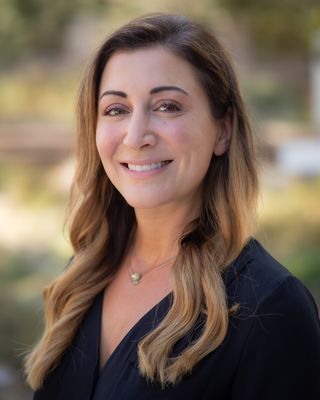
I support adults (18+) in healing their relationship with food and their bodies through intuitive eating and body positivity. I guide my clients away from the rigid constraints of diet culture toward a trusting, intuitive approach. Many feel stuck in the never-ending pursuit of weight loss, uncertain about what truly works and overwhelmed by conflicting advice. If you’re ready to explore a compassionate, sustainable way to reconnect with your body’s innate wisdom and achieve a balanced, joyful life, I’m here to help.
I support adults (18+) in healing their relationship with food and their bodies through intuitive eating and body positivity. I guide my clients away from the rigid constraints of diet culture toward a trusting, intuitive approach. Many feel stuck in the never-ending pursuit of weight loss, uncertain about what truly works and overwhelmed by conflicting advice. If you’re ready to explore a compassionate, sustainable way to reconnect with your body’s innate wisdom and achieve a balanced, joyful life, I’m here to help.
Celiac Disease Nutritionists and Dietitians
What is celiac disease?
Celiac disease is an autoimmune disorder in which the consumption of gluten, a protein found in wheat, barley, and rye, triggers a significant immune response within the body. This response damages the small intestine, specifically targeting the villi—small projections within the gut that are crucial for nutrient absorption. The destruction of these villi leads to malabsorption of essential nutrients, resulting in symptoms such as malnutrition, osteopenia, gastrointestinal distress, and deficiencies in vitamins and minerals. Fortunately, most individuals with celiac disease can manage their symptoms effectively by following a gluten-free diet, which often includes alternatives like rice-based products.
What foods are not allowed if you have celiac disease?
Since gluten is present in foods containing wheat, barley, or rye, consuming products with these ingredients can trigger celiac disease symptoms. Common sources of gluten include bread, pasta, baked goods, crackers, and cereal products. However, gluten can also be found in unexpected places, such as certain milk-based products, salad dressings, processed meats, and energy/nutrition bars. To avoid accidental gluten consumption, individuals with celiac disease should check ingredient labels and be aware of ingredients derived from gluten-containing grains, such as malt from barley.
What diet is best for people with celiac disease?
A gluten-free diet is the most effective way to manage the symptoms of celiac disease. The increasing availability of "gluten-free" products, along with the abundance of naturally gluten-free grains such as rice, potatoes, oats, quinoa, and corn, has made it easier to maintain a gluten-free lifestyle. Other than reducing or eliminating the consumption of gluten, however, there is no single diet that is best for individuals with celiac disease. Even without gluten, individuals can consume a balanced diet that includes fruits, vegetables, whole grains, and high-quality sources of protein. Indeed, consuming foods rich in vitamins and minerals is particularly important for those with celiac disease, as they often experience nutrient deficiencies due to malabsorption issues prior to diagnosis.
How can a dietitian help with celiac disease?
Dietitians can help with celiac disease by providing guidance on how to maintain a healthy gluten-free lifestyle. They can provide tips on how to avoid gluten-containing foods, including foods that may be at high-risk of gluten contamination. They can also offer substitution recommendations that ensure clients still consume enough healthy grains within their diet, and they can help clients navigate other resources that may be helpful in the management of their disease. In some cases, a dietitian may assist in identifying a gluten sensitivity; although registered dietitians (RDs) can't officially diagnose celiac disease, they may be particularly familiar with celiac disease symptoms and be able to help clients connect to a medical professional for further testing and treatment if they suspect a client may have the condition.