Cancer/Oncology Nutritionists and Dietitians in 64131
There are no results for health professionals in 64131
Check out health professionals located nearby or offering Teletherapy in Missouri below.More Dietitians and Nutritionists Nearby
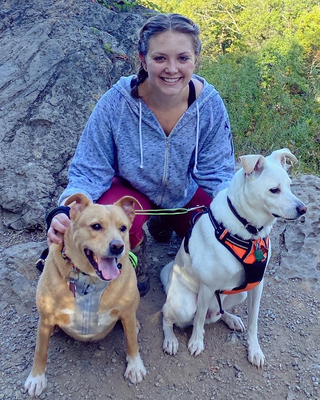
Rocky is a registered dietitian who has been in the field of dietetics for 5 years. She specializes in working with folks affected by/with disordered eating, eating disorders, body dysmorphia, and wanting to learn mindful and intuitive eating. She includes a health at every size (HAES) approach and really enjoys working with LGBTQ+IA folks struggling with their relationship with food. Rocky's approach to nutrition care is direct but kind, openness with understanding, and an overall "intensive care bear" approach. Her main job is to listen to you in the moment, provide feedback, help you set and reach specific goals.
Rocky is a registered dietitian who has been in the field of dietetics for 5 years. She specializes in working with folks affected by/with disordered eating, eating disorders, body dysmorphia, and wanting to learn mindful and intuitive eating. She includes a health at every size (HAES) approach and really enjoys working with LGBTQ+IA folks struggling with their relationship with food. Rocky's approach to nutrition care is direct but kind, openness with understanding, and an overall "intensive care bear" approach. Her main job is to listen to you in the moment, provide feedback, help you set and reach specific goals.
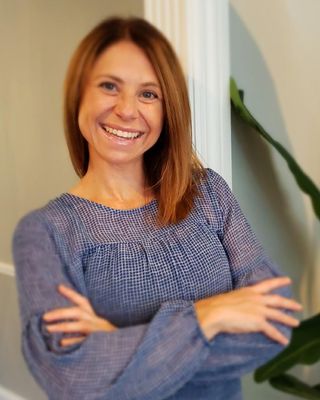
Meet Kelly, a dedicated Registered Dietitian with a passion for the profound connection between food, health, and the human body. Kelly's journey in the realm of nutrition has been fueled by her unwavering commitment to promoting well-being and her insatiable curiosity for learning. With a heart that genuinely loves people, Kelly derives immense satisfaction from coaching and helping individuals on their path to better health. Her fascination with medical conditions drives her to continuously seek innovative ways to make a difference in the lives of those she serves and strives to empower others to make informed, healthier choices
Meet Kelly, a dedicated Registered Dietitian with a passion for the profound connection between food, health, and the human body. Kelly's journey in the realm of nutrition has been fueled by her unwavering commitment to promoting well-being and her insatiable curiosity for learning. With a heart that genuinely loves people, Kelly derives immense satisfaction from coaching and helping individuals on their path to better health. Her fascination with medical conditions drives her to continuously seek innovative ways to make a difference in the lives of those she serves and strives to empower others to make informed, healthier choices
Cancer/Oncology Nutritionists and Dietitians
Why is nutrition important for cancer treatment?
Nutrition can play a key role in cancer treatment. The symptoms of cancer and its treatments—such as nausea, vomiting, and loss of appetite—can lead to malnutrition, resulting in weight loss and potential nutrient deficiencies. This can hinder the patient's ability to combat cancer and respond effectively to treatment. Therefore, ensuring sufficient caloric intake is critical and may require specific dietary strategies to ensure high-enough caloric and protein intake. This might involve the consumption of high-calorie foods and beverages. In some cases, tube feeding may be required to ensure the patient receives sufficient calories during the cancer treatment process.
Can diet help prevent cancer?
Diet is a significant lifestyle factor that research has shown to influence the risk of certain cancers. One of the strongest links is between obesity and cancer, with about 4-8% of cancers being related to obesity. Specifically, breast, colorectal, esophageal, pancreatic, kidney, and liver cancers are most strongly associated with obesity. Thus, maintaining a healthy diet that prevents obesity can be highly effective in reducing the risk of these cancers. Other than obesity, certain foods, such as processed meats, have been linked to colorectal cancer specifically. In general, lifestyle modifications that lower the risk of other chronic diseases, such as consuming a primarily plant-based diet and getting enough exercise, are also highly effective habits in reducing the risk of developing cancer.
Can cancer be cured with proper nutrition?
While there is no evidence to suggest that nutrition alone can cure cancer, a proper diet can be a crucial component of successful treatment for certain types of cancer. For cancers linked to obesity, weight loss through a healthy diet can lead to more positive treatment outcomes. Even for cancers not related to obesity, diet can still play a significant role by influencing the effectiveness of certain cancer treatments, such as chemotherapy. Most experts recommend that cancer patients focus on eating enough to prevent malnutrition, as maintaining sufficient strength is vital for the body to effectively combat cancer and respond to therapies such as chemotherapy. Thus, while nutrition is not a cure, it is an important part of the cancer recovery process.
What role does a dietitian play in a cancer patient's care team?
Because diet plays a significant role in the successful treatment of cancer, either through lifestyle modification or through the prevention of malnutrition, dietitians can be a crucial member of a cancer patient's care team. Dietitians who specialize in working with cancer patients often have a deep understanding of how certain cancer treatments, such as chemotherapy and radiation, can impact a patient's ability to meet their nutritional needs. They can thus assist patients in developing nutrition strategies that help alleviate common cancer treatment symptoms like nausea and vomiting. For patients with cancers linked to obesity, dietitians can suggest lifestyle modification strategies that aid in both the treatment process and lead to lasting positive changes after treatment.