Postpartum Nutrition Nutritionists and Dietitians in 61802
There are no results for health professionals in 61802
Check out health professionals located nearby or offering Teletherapy in Illinois below.More Dietitians and Nutritionists Nearby

Hi, I’m Brooke! Registered Dietitian Nutritionist with a passion for helping women like myself break free from the chains of endometriosis. As a member of the '1in10community, I’m all too familiar with the medical gaslighting, chronic pain, and fear of the unknown that accompany this disease. My goal is to serve as an ally for women, to be someone who listens AND makes you feel heard. I utilize functional nutrition to help women reach their health goals whether it be to improve their hormones, manage symptoms, increase energy, normalize their periods, heal their gut, have a healthy pregnancy, breastfeed, and beyond.
Hi, I’m Brooke! Registered Dietitian Nutritionist with a passion for helping women like myself break free from the chains of endometriosis. As a member of the '1in10community, I’m all too familiar with the medical gaslighting, chronic pain, and fear of the unknown that accompany this disease. My goal is to serve as an ally for women, to be someone who listens AND makes you feel heard. I utilize functional nutrition to help women reach their health goals whether it be to improve their hormones, manage symptoms, increase energy, normalize their periods, heal their gut, have a healthy pregnancy, breastfeed, and beyond.
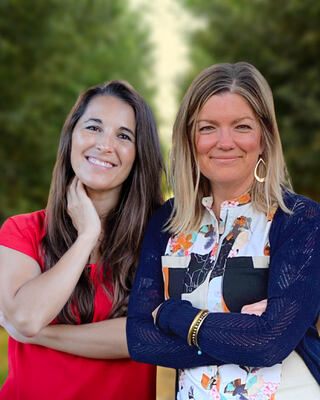
It is not often we are encouraged to honor our bodies needs. We live in world that teaches us to "watch it" and "have it together", especially around weight and food. Unfortunately, this constant pressure to "be good" can play a role in constant dieting, restricting, binging, purging and an all or nothing attitude around exercise. Fortunately, we can make peace with food and our bodies again. Our approach of trauma informed nutrition counseling and coaching teaches non-diet eating and body wisdom skills to learn to trust and feel safe inside the body and manage chronic issues such as burned and stressed out, PCOS and gut health.
It is not often we are encouraged to honor our bodies needs. We live in world that teaches us to "watch it" and "have it together", especially around weight and food. Unfortunately, this constant pressure to "be good" can play a role in constant dieting, restricting, binging, purging and an all or nothing attitude around exercise. Fortunately, we can make peace with food and our bodies again. Our approach of trauma informed nutrition counseling and coaching teaches non-diet eating and body wisdom skills to learn to trust and feel safe inside the body and manage chronic issues such as burned and stressed out, PCOS and gut health.
Postpartum Nutrition Nutritionists and Dietitians
What is postpartum nutrition?
Postpartum nutrition refers to the dietary practices and consumption of specific foods during the postpartum period, when the mother is recovering from childbirth and breastfeeding. Proper nutrition during this time is essential and can help replenish nutrients lost during childbirth, aid in healing, and ensure an adequate milk supply for the baby. Nutrition professionals specializing in postpartum nutrition can provide personalized consultation, helping new mothers identify the best foods for recovery and breastfeeding. They can also offer practical advice on adjusting eating habits to fit into the new routine of caring for a newborn.
Why is nutrition important during the postpartum period?
A healthy and balanced diet during the postpartum period is essential for both recovery from childbirth and supporting breastfeeding. Consuming a variety of nutrient-rich foods, such as whole grains, lean proteins, fruits, vegetables, and healthy fats, is crucial during this time. Additionally, breastfeeding women burn an extra 300-500 calories per day on average, so it’s important for them to consume enough calories to meet this increased demand. Key nutrients such as iodine, choline, and iron are particularly important during the postpartum period, as they play vital roles in maternal health and infant development. To ensure all nutrient requirements are met, doctors may recommend dietary supplements to help women get enough essential nutrients during the postpartum period.
What foods should I avoid postpartum?
Nutrition experts generally advise women to avoid alcohol, caffeine, and high-sugar foods during the postpartum period. It's also recommended that postpartum mothers avoid foods that may contain high levels of harmful chemicals, such as certain fish like mackerel, swordfish, and tuna, which can contain high mercury levels that may negatively affect a newborn's development if passed through breastmilk. Additionally, foods with strong smells and flavors, such as garlic, are often discouraged as they may cause the baby to reject breastfeeding due to taste preferences.
What diet is best for breastfeeding mothers?
For breastfeeding mothers, a well-rounded and nutritious diet is essential to support both the mother's health and the baby's growth and development. In general, it is recommended that breastfeeding mother's focus on consuming a balanced diet that contains whole grains, vegetables, fruits, healthy fats, and lean protein sources. In particular, ensuring that one is getting enough protein can be critical to ensuring sufficient breast milk supply. Sources of such protein include dairy products, lean meats, eggs, nuts and seeds, and beans. Additionally, certain fish that are low in mercury, like salmon, bluefish, and bass, are particularly beneficial, as they provide omega-3 fatty acids, including docosahexaenoic acid (DHA), which supports healthy infant brain development.