Cancer/Oncology Nutritionists and Dietitians in 50313
There are no results for health professionals in 50313
Check out health professionals located nearby or offering Teletherapy in Iowa below.More Dietitians and Nutritionists Nearby
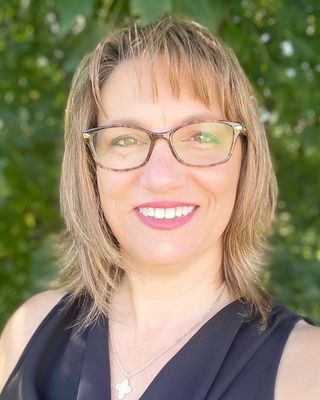
Kerri is a Registered Dietitian, specializing in working with adults and adolescents with Eating Disorders, Disordered Eating, IBS, Diabetes, and Pregnancy Nutrition. She believes that the beauty of her profession is supporting clients to become empowered and confident as they explore what works for them. Kerri takes a lifelong and “food is fun” approach to her sessions, and understands that what may work in one season of life, may not work in the next. Kerri also believes in an all inclusive approach with foods and body types, providing an environment rich in opportunity to build trust and learning for both client and provider.
Kerri is a Registered Dietitian, specializing in working with adults and adolescents with Eating Disorders, Disordered Eating, IBS, Diabetes, and Pregnancy Nutrition. She believes that the beauty of her profession is supporting clients to become empowered and confident as they explore what works for them. Kerri takes a lifelong and “food is fun” approach to her sessions, and understands that what may work in one season of life, may not work in the next. Kerri also believes in an all inclusive approach with foods and body types, providing an environment rich in opportunity to build trust and learning for both client and provider.
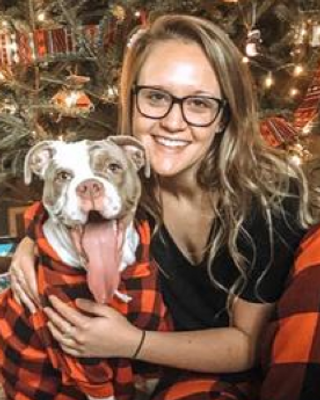
Morgan is a hard working and compassionate dietitian with 6 years of inpatient and outpatient experience. Morgan is willing to meet you where you are, creating interventions to align with your unique goals. Morgan provides HAES-aligned care and emphasizes a non-diet approach for her nutrition counseling/interventions. Morgan's methods within sessions are non-judgemental, inclusive, and collaborative allowing the client to feel comfortable and vulnerable when sharing background, stories, etc. Morgan works with her clients to understand the “why” and establish individualized goals to support results.
Morgan is a hard working and compassionate dietitian with 6 years of inpatient and outpatient experience. Morgan is willing to meet you where you are, creating interventions to align with your unique goals. Morgan provides HAES-aligned care and emphasizes a non-diet approach for her nutrition counseling/interventions. Morgan's methods within sessions are non-judgemental, inclusive, and collaborative allowing the client to feel comfortable and vulnerable when sharing background, stories, etc. Morgan works with her clients to understand the “why” and establish individualized goals to support results.
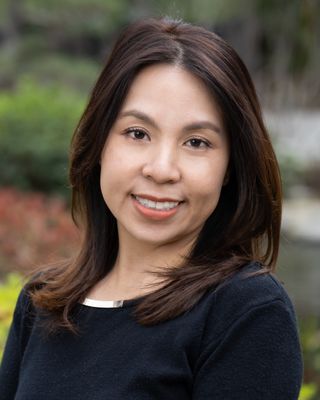
I‘m here to help cancer patients to thrive through their treatments, help them eat through all the side effects of cancer treatment - from nausea, vomiting, digestive issues to malnutrition or even gaining undesirable weight.
I’m a Registered Dietitian Nutritionist specializing in oncology nutrition, with over 17 years of clinical experience, including 13+ years at a nationally ranked cancer center. I hold advanced credentials as a Certified Specialist in Oncology Nutrition (CSO) and a Certified Nutrition Support Clinician (CNSC), and I have a master’s degree in nutrition.
I‘m here to help cancer patients to thrive through their treatments, help them eat through all the side effects of cancer treatment - from nausea, vomiting, digestive issues to malnutrition or even gaining undesirable weight.
I’m a Registered Dietitian Nutritionist specializing in oncology nutrition, with over 17 years of clinical experience, including 13+ years at a nationally ranked cancer center. I hold advanced credentials as a Certified Specialist in Oncology Nutrition (CSO) and a Certified Nutrition Support Clinician (CNSC), and I have a master’s degree in nutrition.
Cancer/Oncology Nutritionists and Dietitians
Why is nutrition important for cancer treatment?
Nutrition can play a key role in cancer treatment. The symptoms of cancer and its treatments—such as nausea, vomiting, and loss of appetite—can lead to malnutrition, resulting in weight loss and potential nutrient deficiencies. This can hinder the patient's ability to combat cancer and respond effectively to treatment. Therefore, ensuring sufficient caloric intake is critical and may require specific dietary strategies to ensure high-enough caloric and protein intake. This might involve the consumption of high-calorie foods and beverages. In some cases, tube feeding may be required to ensure the patient receives sufficient calories during the cancer treatment process.
Can diet help prevent cancer?
Diet is a significant lifestyle factor that research has shown to influence the risk of certain cancers. One of the strongest links is between obesity and cancer, with about 4-8% of cancers being related to obesity. Specifically, breast, colorectal, esophageal, pancreatic, kidney, and liver cancers are most strongly associated with obesity. Thus, maintaining a healthy diet that prevents obesity can be highly effective in reducing the risk of these cancers. Other than obesity, certain foods, such as processed meats, have been linked to colorectal cancer specifically. In general, lifestyle modifications that lower the risk of other chronic diseases, such as consuming a primarily plant-based diet and getting enough exercise, are also highly effective habits in reducing the risk of developing cancer.
Can cancer be cured with proper nutrition?
While there is no evidence to suggest that nutrition alone can cure cancer, a proper diet can be a crucial component of successful treatment for certain types of cancer. For cancers linked to obesity, weight loss through a healthy diet can lead to more positive treatment outcomes. Even for cancers not related to obesity, diet can still play a significant role by influencing the effectiveness of certain cancer treatments, such as chemotherapy. Most experts recommend that cancer patients focus on eating enough to prevent malnutrition, as maintaining sufficient strength is vital for the body to effectively combat cancer and respond to therapies such as chemotherapy. Thus, while nutrition is not a cure, it is an important part of the cancer recovery process.
What role does a dietitian play in a cancer patient's care team?
Because diet plays a significant role in the successful treatment of cancer, either through lifestyle modification or through the prevention of malnutrition, dietitians can be a crucial member of a cancer patient's care team. Dietitians who specialize in working with cancer patients often have a deep understanding of how certain cancer treatments, such as chemotherapy and radiation, can impact a patient's ability to meet their nutritional needs. They can thus assist patients in developing nutrition strategies that help alleviate common cancer treatment symptoms like nausea and vomiting. For patients with cancers linked to obesity, dietitians can suggest lifestyle modification strategies that aid in both the treatment process and lead to lasting positive changes after treatment.