Eating Disorders Nutritionists and Dietitians in 46323
There are no results for health professionals in 46323
Check out health professionals located nearby or offering Teletherapy in Indiana below.More Dietitians and Nutritionists Nearby
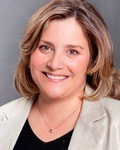
I have been practicing nutrition for over 30 years and specialize in Eating Disorders and other food/weight related issues.
As a Certified Eating Disorder Nutrition Therapist, my goal is to repair, rebuild and restore you back to health by teaching you how to renourish yourself mind, body and spirit, verses just teaching you how to eat. In most cases, successful nutrition therapy is not a "quick-fix". My role is to have a clear understanding of your goals and to work with you step-by-step in helping you to achieve them. I have a collaborative approach focusing on progress not perfection and believe in using the food plan that best fits you.
I have been practicing nutrition for over 30 years and specialize in Eating Disorders and other food/weight related issues.
As a Certified Eating Disorder Nutrition Therapist, my goal is to repair, rebuild and restore you back to health by teaching you how to renourish yourself mind, body and spirit, verses just teaching you how to eat. In most cases, successful nutrition therapy is not a "quick-fix". My role is to have a clear understanding of your goals and to work with you step-by-step in helping you to achieve them. I have a collaborative approach focusing on progress not perfection and believe in using the food plan that best fits you.
Online Dietitians and Nutritionists
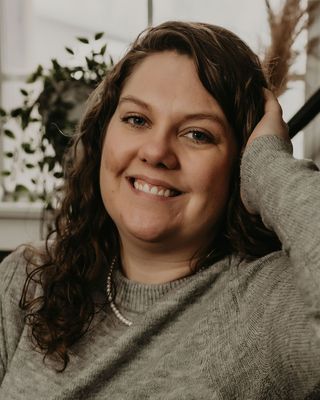
I have served eating disorder clients for the past 4 years and am in the process of becoming Certified in Eating Disorders through IAEDP.
I love to help people develop a healthier relationship with food.
I have served eating disorder clients for the past 4 years and am in the process of becoming Certified in Eating Disorders through IAEDP.
I love to help people develop a healthier relationship with food.
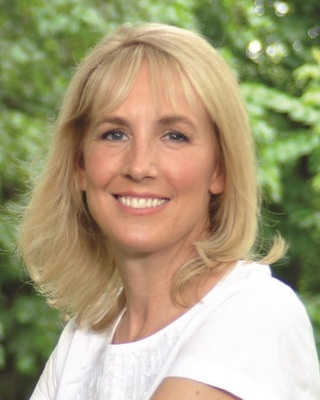
As CEO of Midwest Dietitian, I treat Anorexia and Bulimia, Athletes and Compulsive Exercisers, Food Addiction, Binge Eating Disorder, ARFID, Obesity, Compulsive Overeating, PICA, and Body Dysmorphic Disorder.
As a member of a treatment team, I conduct initial assessments, set nutritional treatment goals, and provide meal plans. Licensed in the states: IN, IL, FL, WI, MO, and UT. Individuals located in other states, including AZ, CA, CO, MI, and VA are welcomed to contact me to discuss available consultation, education, or referral options.
As CEO of Midwest Dietitian, I treat Anorexia and Bulimia, Athletes and Compulsive Exercisers, Food Addiction, Binge Eating Disorder, ARFID, Obesity, Compulsive Overeating, PICA, and Body Dysmorphic Disorder.
As a member of a treatment team, I conduct initial assessments, set nutritional treatment goals, and provide meal plans. Licensed in the states: IN, IL, FL, WI, MO, and UT. Individuals located in other states, including AZ, CA, CO, MI, and VA are welcomed to contact me to discuss available consultation, education, or referral options.
Eating Disorders Nutritionists and Dietitians
What are the most common types of eating disorders?
The most common types of eating disorders include anorexia nervosa, bulimia nervosa, binge eating disorder, and avoidant/restrictive food intake disorder (ARFID). Individuals may also be diagnosed with "other specified feeding or eating disorder" (OSFED), which is a type of eating disorder diagnosed when a client does not meet the full criteria for anorexia, bulimia, or binge eating disorder but still experiences significant distress related to eating.
What diet is best for eating disorder recovery?
Because eating disorders vary widely in symptoms and severity, there is no single best diet for recovery. While not all individuals with eating disorders are underweight and require weight gain during recovery, those who do may particularly benefit from consuming balanced meals on a more structured schedule. This approach helps establish a regular eating pattern and regulate hunger cues. In general, eating disorder dietitians recommend that clients focus on improving their overall relationship with food and eliminating certain "food rules," while also ensuring they consume an appropriate amount. For example, clients with anorexia nervosa often have significant fears surrounding the consumption of high-calorie foods; dietitians may encourage these clients to include such foods in their diet in a balanced manner to help facilitate recovery and achieve a more normalized state of eating. Conversely, clients with bulimia or binge eating disorder may benefit from a diet that avoids foods that are particularly triggering for them to binge on. Many clients with eating disorders benefit from seeing a dietitian who specializes in eating disorders in order to ensure that their diet meets their specific recovery-related needs.
How are eating disorders treated?
Eating disorder treatment often involves a multidisciplinary team of clinicians working together to address the various aspects of the condition. A physician typically monitors physical changes and health problems, a therapist addresses underlying thoughts and emotions, and a dietitian develops a plan to help the patient achieve and maintain a healthy weight. While most individuals can be treated in an outpatient setting, some may require more intensive care provided by residential or inpatient facilities. In addition, early intervention for disordered eating can significantly increase the likelihood of a successful recovery, and ongoing support and monitoring are also crucial to prevent relapse and sustain progress.
How do dietitians help people with eating disorders?
Nutrition counseling is a crucial component of eating disorder recovery, and dietitians play a vital role in this process. They help clients develop personalized meal plans to meet their nutritional goals, which is particularly beneficial for those who need to gain weight after periods of food restriction. Dietitians also encourage healthier eating patterns by helping clients incorporate foods they may have previously avoided due to eating disorder behaviors. Additionally, eating disorder dietitians often collaborate with other members of the client's care team, such as medical doctors, psychiatrists, and therapists, to provide comprehensive support. This multidisciplinary approach is especially important for clients with medical conditions related to their eating disorder, such as heart issues or electrolyte imbalances, which require close supervision by a medical doctor in coordination with a dietitian.