Bariatric Support Nutritionists and Dietitians in 43606
There are no results for health professionals in 43606
Check out health professionals located nearby or offering Teletherapy in Ohio below.More Dietitians and Nutritionists Nearby
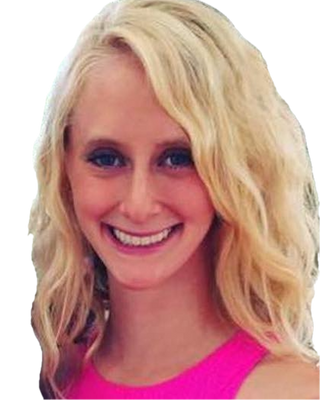
Living a healthy lifestyle and achieving your body composition goals should not be complicated! My approach to nutrition and fitness is simple and sustainable - creating habits that you can realistically commit to for the long term. Rather than looking for a quick fix, I help my patients implement ways to accomplish their health and body composition goals that are non-restrictive, balanced, and backed by science. Whether it’s diet, fitness or both, I ensure my patients have the tools they need to feel successful.
Living a healthy lifestyle and achieving your body composition goals should not be complicated! My approach to nutrition and fitness is simple and sustainable - creating habits that you can realistically commit to for the long term. Rather than looking for a quick fix, I help my patients implement ways to accomplish their health and body composition goals that are non-restrictive, balanced, and backed by science. Whether it’s diet, fitness or both, I ensure my patients have the tools they need to feel successful.
Online Dietitians and Nutritionists
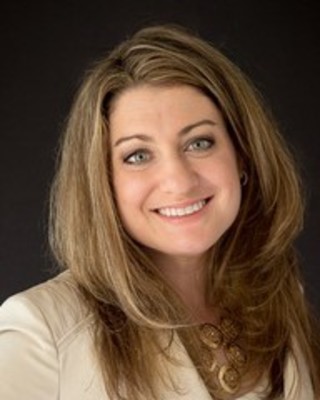
Healthy Helpings Nutrition Services
Nutritionist/Dietitian, MS, RD, CSR, LD, NBC-HWC
Westlake, OH 44145
I look forward to taking the time with you to help you reach your health and lifestyle goals. I have worked in different areas of nutrition and know how overwhelming it can be to get started with making changes. I hope to help you find reasonable and achievable dietary goals that will help you transform your health.
I look forward to taking the time with you to help you reach your health and lifestyle goals. I have worked in different areas of nutrition and know how overwhelming it can be to get started with making changes. I hope to help you find reasonable and achievable dietary goals that will help you transform your health.
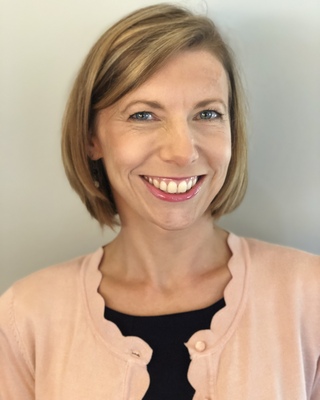
I want to help YOU find your best self. I use a personalized approach to nutrition with an emphasis on sustainable lifestyle change. I believe food is meant to nourish your body, mind and soul. I specialize in diabetes and weight management (including type 2 diabetes remission). I coach you to find health and wellness AND peace with your body and food. I’m available for virtual or phone appointments. Let’s work together to find a lifestyle that’s easy, sustainable and full of your favorite foods. I love helping people find the most nutritious version of a favorite comfort food so that choosing the healthy option is easy!
I want to help YOU find your best self. I use a personalized approach to nutrition with an emphasis on sustainable lifestyle change. I believe food is meant to nourish your body, mind and soul. I specialize in diabetes and weight management (including type 2 diabetes remission). I coach you to find health and wellness AND peace with your body and food. I’m available for virtual or phone appointments. Let’s work together to find a lifestyle that’s easy, sustainable and full of your favorite foods. I love helping people find the most nutritious version of a favorite comfort food so that choosing the healthy option is easy!
Bariatric Support Nutritionists and Dietitians
What is bariatric surgery?
Bariatric surgery is a weight-loss method involving surgical intervention to help individuals lose weight. There are several types of bariatric surgery, including gastric sleeve procedures, gastric bypass, and duodenal switch surgeries like the biliopancreatic diversion with duodenal switch. This approach is often considered a "last resort" due to the high risks and potential complications, such as nutrient malabsorption, "dumping syndrome," gallstones, and hernias. To qualify for bariatric surgery, adults typically must have "class III obesity," defined as a BMI over 40, or a BMI over 35 with at least one related health issue. Adolescents and children can also undergo bariatric surgery but have different inclusion criteria due to the risks associated with the procedure.
How long does it take to see results from bariatric surgery?
In general, the primary goal of bariatric surgery is to promote weight loss to prevent or better manage obesity-related conditions, such as cardiovascular disease, type 2 diabetes, chronic mobility issues, and certain cancers. Therefore, since these diseases are chronic, it may take several years to see significant improvements or prevention following bariatric surgery. However, rapid weight loss often occurs in the initial weeks and months after surgery, with the extent of weight loss varying depending on the type of procedure and the patient's condition. Typically, the fastest weight loss occurs in the first 2-3 months post-surgery, with weight loss plateauing within 1-2 years.
What can you eat once you've had bariatric surgery?
In the first 1-2 months following bariatric surgery, individuals are placed on a restricted diet, such as a fully liquid or pureed food diet, to aid in recovery. After this initial period, most individuals can gradually reintroduce regular foods back into their diet, although they may find that some previously tolerated foods now cause discomfort, nausea, or vomiting. As a result, individuals are encouraged to reintroduce new foods slowly, especially those that are harder to digest, like salads, raw vegetables, and red meats. In addition, many clients may work closely with medical and nutrition professionals in the months and years following bariatric surgery in order to adopt a diet that promotes a healthier lifestyle and maintains their weight loss following bariatric surgery.
Who can benefit from bariatric nutrition support?
All individuals undergoing bariatric surgery can benefit from the expertise of a nutritional professional, such as a registered dietitian (RD), to manage their nutrition post-surgery. Given that bariatric surgery is often considered a "last resort" option, many individuals have already consulted a nutrition professional before their surgery to explore less invasive weight loss options. Following surgery, however, RDs can provide particularly valuable guidance in helping clients find foods that minimize post-surgery symptoms like nausea and vomiting and help develop a meal plan that promotes sustained weight loss. Additionally, RDs can help clients address certain nutritional deficiencies that may arise due to the altered digestive process after surgery, ensuring that clients maintain an adequate intake and receive essential vitamins and minerals following surgery.