Autism Nutritionists and Dietitians in 34986
There are no results for health professionals in 34986
Check out health professionals located nearby or offering Teletherapy in Florida below.Online Dietitians and Nutritionists
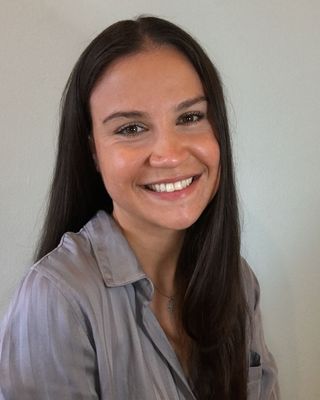
This practice accepts insurance; in person (Plantation - FL) or online Telehealth sessions available. Send her a message to learn more about insurance coverage and self-pay prices.
Luanna's areas of expertise include functional nutrition, mindful eating, plant-based nutrition, general wellness, weight management and meal planning, bariatric surgery, chronic disease management, digestive disorders, oncology, geriatrics, pediatric nutrition, child feeding dynamics, prenatal and postpartum nutrition, women’s health, athletic performance and sports nutrition.
This practice accepts insurance; in person (Plantation - FL) or online Telehealth sessions available. Send her a message to learn more about insurance coverage and self-pay prices.
Luanna's areas of expertise include functional nutrition, mindful eating, plant-based nutrition, general wellness, weight management and meal planning, bariatric surgery, chronic disease management, digestive disorders, oncology, geriatrics, pediatric nutrition, child feeding dynamics, prenatal and postpartum nutrition, women’s health, athletic performance and sports nutrition.

If you're tired of traditional gastroenterologists and other medical professions not helping or understanding what ails you, consider a functional approach. Allow me to play your Nutrition Detective, helping uncover root issues to your problem, while giving you the valuable tools and support to make change possible. I help those suffering from digestive issues, including chronic bloating, pooping problems, reflux, brain fog, skin rashes, autoimmune disease and hormone imbalances. Every patient of mine gets a personalized nutrition plan. Most importantly, I listen. You know your body better than anyone and together we forge a path.
If you're tired of traditional gastroenterologists and other medical professions not helping or understanding what ails you, consider a functional approach. Allow me to play your Nutrition Detective, helping uncover root issues to your problem, while giving you the valuable tools and support to make change possible. I help those suffering from digestive issues, including chronic bloating, pooping problems, reflux, brain fog, skin rashes, autoimmune disease and hormone imbalances. Every patient of mine gets a personalized nutrition plan. Most importantly, I listen. You know your body better than anyone and together we forge a path.

Manal Qadeer, MS, RD, LDN is a trauma-informed registered dietitian who helps clients heal their relationship with food and their bodies through a compassionate, collaborative approach. With over six years of experience in both nutrition and mental health settings, she specializes in supporting individuals navigating anxiety, trauma, disordered eating, and the emotional side of nourishment.
Manal’s philosophy is grounded in Health at Every Size, All Foods Fit, and the belief that every body is a good body. She creates a safe, judgment-free space where you can feel truly heard, understood, and empowered to move at your own pace tow
Manal Qadeer, MS, RD, LDN is a trauma-informed registered dietitian who helps clients heal their relationship with food and their bodies through a compassionate, collaborative approach. With over six years of experience in both nutrition and mental health settings, she specializes in supporting individuals navigating anxiety, trauma, disordered eating, and the emotional side of nourishment.
Manal’s philosophy is grounded in Health at Every Size, All Foods Fit, and the belief that every body is a good body. She creates a safe, judgment-free space where you can feel truly heard, understood, and empowered to move at your own pace tow
Do you or your child lack confidence about your bodies? Are you tired of dieting and being made to feel guilty about not meeting a certain weight standard? Are you an athlete who is struggling with the weight demands of your sport? Do you feel your eating habits are extreme? Do you believe your nutrition could be better? Are you conflicted about your relationship with food? Do you feel you need to change your eating habits? Do you want to feel better physically and emotionally?
Do you or your child lack confidence about your bodies? Are you tired of dieting and being made to feel guilty about not meeting a certain weight standard? Are you an athlete who is struggling with the weight demands of your sport? Do you feel your eating habits are extreme? Do you believe your nutrition could be better? Are you conflicted about your relationship with food? Do you feel you need to change your eating habits? Do you want to feel better physically and emotionally?

I understand what it's like to juggle the responsibilities of life while also trying to maintain your health.
As an RD for nearly 15 years, I have seen trends/fads come and go, and I know what is tried and true, while also staying on top of advancements in research.
I specialize in eating disorders, weight management (including GLP-1's), diabetes, MCAS/POTS/EDS, ADHD, neurodivergence, and nutrition for those with mental health or substance abuse disorders.
FL patients: I now take Curative Health insurance. RI patients: I take BCBS of RI and United Health,
I understand what it's like to juggle the responsibilities of life while also trying to maintain your health.
As an RD for nearly 15 years, I have seen trends/fads come and go, and I know what is tried and true, while also staying on top of advancements in research.
I specialize in eating disorders, weight management (including GLP-1's), diabetes, MCAS/POTS/EDS, ADHD, neurodivergence, and nutrition for those with mental health or substance abuse disorders.
FL patients: I now take Curative Health insurance. RI patients: I take BCBS of RI and United Health,
Autism Nutritionists and Dietitians
What is the link between autism and diet?
While there is no evidence to suggest that autism is caused by diet, some individuals with autism face challenges related to food that highlight the importance of considering how diet and autism may be connected. Studies have shown that individuals with autism are more likely to have inadequate food intake compared to the general population. Many people with autism experience feeding issues due to sensory-related challenges. Just as loud sounds or bright lights can trigger sensory overload, the consistency, texture, smell, and strong taste of some foods can similarly cause sensory overload for individuals with autism, potentially leading to food aversion and/or malnutrition. Additionally, studies have indicated that individuals with autism often have different concentrations of bacteria within their gut microbiome, which may influence their response to food; however, much more research is needed to fully understand this connection.
What is autism food aversion?
Autism-related food aversion occurs when individuals with autism strongly dislike specific foods. This aversion is often triggered by sensory experiences such as texture, taste, smell, or how the food is presented. Some individuals with autism may also avoid certain foods due to concerns about choking or difficulty swallowing. The specific foods that individuals with autism avoid can vary widely. For example, crunchy foods like chips or carrots may be avoided due to the intense sensory experience they provide when eaten. On the other hand, soft foods with a gooey texture, such as applesauce or cottage cheese, may also trigger food aversion because of their specific textures.
What diet is best for people with autism?
There is no single best diet for individuals with autism, but experts generally recommend a balanced, plant-based diet rich in fruits, vegetables, whole grains, and low-fat proteins. However, due to potential food aversions, maintaining this balanced diet can be challenging for some. In such cases, experimenting with different foods and cooking methods may become important to ensure adequate nutrition. For example, while raw vegetables may be off-putting to some with autism due to sensory-related aversions, cooking them might make them more appealing and easier to consume. This illustrates that the presentation and preparation of food can often be more crucial than the specific type of food consumed. Ultimately, this tailored approach to individual sensory sensitivities and preferences can be essential to ensure that individuals with autism can still meet their nutritional needs.
Should people with autism see a dietitian?
Individuals with autism may benefit from seeing a dietitian if their challenges around food are impacting their ability to eat a healthy and balanced diet. For instance, if food-related sensory issues are limiting the ability of someone with autism to eat essential vitamins and minerals, a dietitian may be able to suggest strategies to overcome these challenges. It is important to look for a dietitian who has expertise in autism, as not all dietitians may be knowledgeable about working with individuals on the autism spectrum. In addition, it is important to look for a dietitian who is willing to work with other professionals of the individual's care team, such as therapists, who may also be working on topics related to food.