Gluten Free Nutritionists and Dietitians in 31406
There are no results for health professionals in 31406
Check out health professionals located nearby or offering Teletherapy in Georgia below.More Dietitians and Nutritionists Nearby
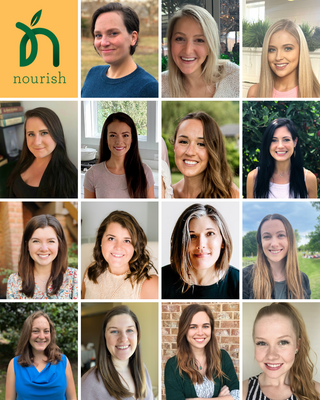
At Nourish, we don’t lecture, body shame, or give clients generic nutrition plans. Our caring professionals help each individual achieve and maintain optimal health and a positive body image through collaborative goal setting, tailored, science-based nutrition plans, and other industry best practices. Tired of bouncing from diet to diet and Googling nutrition advice? Quick fixes aren’t long-term solutions. You’ll achieve and maintain your goals with our personalized, sustainable nutrition plans. One size doesn’t fit all when it comes to nutrition counseling.
At Nourish, we don’t lecture, body shame, or give clients generic nutrition plans. Our caring professionals help each individual achieve and maintain optimal health and a positive body image through collaborative goal setting, tailored, science-based nutrition plans, and other industry best practices. Tired of bouncing from diet to diet and Googling nutrition advice? Quick fixes aren’t long-term solutions. You’ll achieve and maintain your goals with our personalized, sustainable nutrition plans. One size doesn’t fit all when it comes to nutrition counseling.

Kasey Strouse (she/her) is a Registered Dietitian and Certified Eating Disorder Specialist. Kasey specializes in working with adolescents, college students, young adults, and families. She specializes in working with clients recovering from eating disorders, disordered eating, intuitive eating, family nutrition, and takes a non-diet approach with all clients.
Kasey Strouse (she/her) is a Registered Dietitian and Certified Eating Disorder Specialist. Kasey specializes in working with adolescents, college students, young adults, and families. She specializes in working with clients recovering from eating disorders, disordered eating, intuitive eating, family nutrition, and takes a non-diet approach with all clients.
Gluten Free Nutritionists and Dietitians
What is a gluten-free diet?
A gluten-free diet is one that excludes all foods containing gluten, a protein found in wheat, barley, and rye. This means avoiding any grains and their derivatives, which are commonly found in foods like bread, pasta, beer, baked goods, cereals, and some sauces and soups. Gluten-free alternatives include grains and starches such as rice, corn, quinoa, and potatoes.
Who is a gluten-free diet best for?
A gluten-free diet is recommended for individuals with celiac disease, which is a condition where the body's immune system attacks the lining of the small intestine when gluten is consumed. Some individuals may also experience gluten sensitivity, which means that they experience digestive system symptoms following the consumption of gluten; this varies from celiac disease, which involves the immune system, but can still be detrimental to one's quality of life. Individuals with a sensitivity to gluten will often experience symptoms such as bloating, abdominal pain, and diarrhea following the consumption of gluten and may similarly benefit from a gluten-free diet.
What are the benefits of a gluten-free diet?
For individuals with celiac disease or gluten sensitivity, a gluten-free diet can significantly minimize symptoms and improve overall health. By eliminating gluten, people with these conditions can avoid symptoms such as abdominal pain, diarrhea, bloating, fatigue, and nutrient deficiencies. Additionally, a gluten-free diet can be crucial in preventing long-term complications of celiac disease, such as intestinal damage and malnutrition. However, a gluten-free diet is typically unnecessary for individuals without these conditions. In fact, whole grains like wheat, barley, and rye are rich in essential nutrients, including fiber, vitamins, and minerals, and can be part of a very healthy diet.
What foods are best for people who eat gluten-free?
People who eat gluten-free can substitute naturally gluten-free grains, such as rice, potatoes, oats, quinoa, and corn, in place of gluten-containing grain varieties. In addition, many of the foods that are essential to a balanced diet are naturally gluten-free, including fruits, vegetables, whole grains, and high-quality sources of protein. Including plenty of fruits and vegetables is particularly beneficial for people with celiac disease, as they contain essential vitamins, minerals, and dietary fiber, which can aid in digestion and support gut health.