Autism Nutritionists and Dietitians in 29451
There are no results for health professionals in 29451
Check out health professionals located nearby or offering Teletherapy in South Carolina below.More Dietitians and Nutritionists Nearby
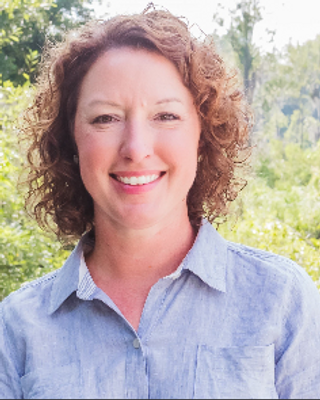
My ideal client is an individual or parent seeking to learn more about their food allergy diagnosis, diagnosis related to abnormal gut function. If they have an eating disorder, they are ready to learn how to move past it and repair their relationship with themselves and their food. My clients understand that slow changes are lasting changes are not interested in a quick fix. They are comfortable with my approach that all foods can fit into the eating pattern and health looks a lot of different ways.
My ideal client is an individual or parent seeking to learn more about their food allergy diagnosis, diagnosis related to abnormal gut function. If they have an eating disorder, they are ready to learn how to move past it and repair their relationship with themselves and their food. My clients understand that slow changes are lasting changes are not interested in a quick fix. They are comfortable with my approach that all foods can fit into the eating pattern and health looks a lot of different ways.

Are you feeling stuck? Confused by diet myths and ever changing nutrition information? Let me join you on your journey! I am a Registered Dietitian and experienced nutrition therapist that specializes in guiding clients to live in freedom of a healthy relationship with food while improving wellness through balanced nutrition. We will work together to develop an attainable plan tailored specifically to you and your goals. Don't be a slave to the scale! Leave dieting and disordered eating patterns behind and embrace a healthy relationship with food. With the right tools and guidance, you can improve your health!
Are you feeling stuck? Confused by diet myths and ever changing nutrition information? Let me join you on your journey! I am a Registered Dietitian and experienced nutrition therapist that specializes in guiding clients to live in freedom of a healthy relationship with food while improving wellness through balanced nutrition. We will work together to develop an attainable plan tailored specifically to you and your goals. Don't be a slave to the scale! Leave dieting and disordered eating patterns behind and embrace a healthy relationship with food. With the right tools and guidance, you can improve your health!

Katie Whitson is a dedicated HAEs-aligned Registered Dietitian with a deep passion for fostering healthy, sustainable relationships with food and movement. She embraces a non-diet approach, focusing on the connection between nutrition and mental health. Katie employs evidence-based strategies to meet patients where they are in their care, empowering them through active involvement and personalized support. Her mission is to inspire lifelong, transformative changes by blending consistency, structure and creativity in every aspect of her practice.
Katie Whitson is a dedicated HAEs-aligned Registered Dietitian with a deep passion for fostering healthy, sustainable relationships with food and movement. She embraces a non-diet approach, focusing on the connection between nutrition and mental health. Katie employs evidence-based strategies to meet patients where they are in their care, empowering them through active involvement and personalized support. Her mission is to inspire lifelong, transformative changes by blending consistency, structure and creativity in every aspect of her practice.
Autism Nutritionists and Dietitians
What is the link between autism and diet?
While there is no evidence to suggest that autism is caused by diet, some individuals with autism face challenges related to food that highlight the importance of considering how diet and autism may be connected. Studies have shown that individuals with autism are more likely to have inadequate food intake compared to the general population. Many people with autism experience feeding issues due to sensory-related challenges. Just as loud sounds or bright lights can trigger sensory overload, the consistency, texture, smell, and strong taste of some foods can similarly cause sensory overload for individuals with autism, potentially leading to food aversion and/or malnutrition. Additionally, studies have indicated that individuals with autism often have different concentrations of bacteria within their gut microbiome, which may influence their response to food; however, much more research is needed to fully understand this connection.
What is autism food aversion?
Autism-related food aversion occurs when individuals with autism strongly dislike specific foods. This aversion is often triggered by sensory experiences such as texture, taste, smell, or how the food is presented. Some individuals with autism may also avoid certain foods due to concerns about choking or difficulty swallowing. The specific foods that individuals with autism avoid can vary widely. For example, crunchy foods like chips or carrots may be avoided due to the intense sensory experience they provide when eaten. On the other hand, soft foods with a gooey texture, such as applesauce or cottage cheese, may also trigger food aversion because of their specific textures.
What diet is best for people with autism?
There is no single best diet for individuals with autism, but experts generally recommend a balanced, plant-based diet rich in fruits, vegetables, whole grains, and low-fat proteins. However, due to potential food aversions, maintaining this balanced diet can be challenging for some. In such cases, experimenting with different foods and cooking methods may become important to ensure adequate nutrition. For example, while raw vegetables may be off-putting to some with autism due to sensory-related aversions, cooking them might make them more appealing and easier to consume. This illustrates that the presentation and preparation of food can often be more crucial than the specific type of food consumed. Ultimately, this tailored approach to individual sensory sensitivities and preferences can be essential to ensure that individuals with autism can still meet their nutritional needs.
Should people with autism see a dietitian?
Individuals with autism may benefit from seeing a dietitian if their challenges around food are impacting their ability to eat a healthy and balanced diet. For instance, if food-related sensory issues are limiting the ability of someone with autism to eat essential vitamins and minerals, a dietitian may be able to suggest strategies to overcome these challenges. It is important to look for a dietitian who has expertise in autism, as not all dietitians may be knowledgeable about working with individuals on the autism spectrum. In addition, it is important to look for a dietitian who is willing to work with other professionals of the individual's care team, such as therapists, who may also be working on topics related to food.