Celiac Disease Nutritionists and Dietitians in 29414
There are no results for health professionals in 29414
Check out health professionals located nearby or offering Teletherapy in South Carolina below.More Dietitians and Nutritionists Nearby
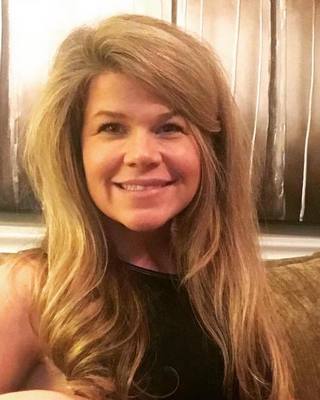
Are you feeling stuck? Confused by diet myths and ever changing nutrition information? Let me join you on your journey! I am a Registered Dietitian and experienced nutrition therapist that specializes in guiding clients to live in freedom of a healthy relationship with food while improving wellness through balanced nutrition. We will work together to develop an attainable plan tailored specifically to you and your goals. Don't be a slave to the scale! Leave dieting and disordered eating patterns behind and embrace a healthy relationship with food. With the right tools and guidance, you can improve your health!
Are you feeling stuck? Confused by diet myths and ever changing nutrition information? Let me join you on your journey! I am a Registered Dietitian and experienced nutrition therapist that specializes in guiding clients to live in freedom of a healthy relationship with food while improving wellness through balanced nutrition. We will work together to develop an attainable plan tailored specifically to you and your goals. Don't be a slave to the scale! Leave dieting and disordered eating patterns behind and embrace a healthy relationship with food. With the right tools and guidance, you can improve your health!
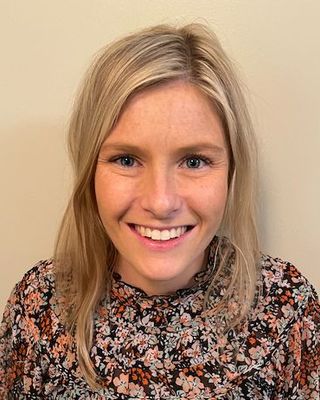
Emily practices out of Health Loft and specializes in working with Eating Disorders, Disordered Eating, Plant Based Diets, Digestive Issues, Body Image Concerns and other conditions. She strongly believes that all foods fit and strives to help clients in their food freedom journey. Using a weight neutral and non-judgemental approach, Emily believes that health is multifactorial and will work to see you as a person, rather than a diagnosis. Emily has spent the majority of her career in higher levels of care for eating disorder treatment (RES, PHP, IOP) treating various eating disorders diagnoses.
Emily practices out of Health Loft and specializes in working with Eating Disorders, Disordered Eating, Plant Based Diets, Digestive Issues, Body Image Concerns and other conditions. She strongly believes that all foods fit and strives to help clients in their food freedom journey. Using a weight neutral and non-judgemental approach, Emily believes that health is multifactorial and will work to see you as a person, rather than a diagnosis. Emily has spent the majority of her career in higher levels of care for eating disorder treatment (RES, PHP, IOP) treating various eating disorders diagnoses.
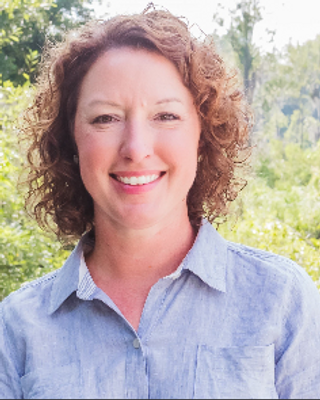
Alexia specializes in food allergies and gut disorders, including celiac disease, IBS, and IBD.
My ideal client is an individual or parent seeking to learn more about their food allergy diagnosis, diagnosis related to abnormal gut function. If they have an eating disorder, they are ready to learn how to move past it and repair their relationship with themselves and their food. My clients understand that slow changes are lasting changes are not interested in a quick fix. They are comfortable with my approach that all foods can fit into the eating pattern and health looks a lot of different ways.
Alexia specializes in food allergies and gut disorders, including celiac disease, IBS, and IBD.
My ideal client is an individual or parent seeking to learn more about their food allergy diagnosis, diagnosis related to abnormal gut function. If they have an eating disorder, they are ready to learn how to move past it and repair their relationship with themselves and their food. My clients understand that slow changes are lasting changes are not interested in a quick fix. They are comfortable with my approach that all foods can fit into the eating pattern and health looks a lot of different ways.
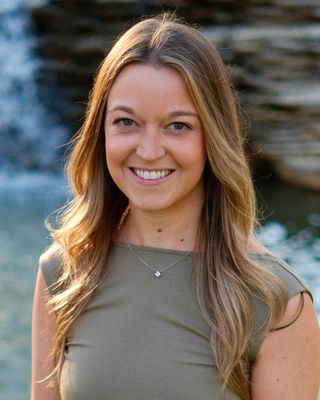
Kasey Strouse (she/her) is a Registered Dietitian and Certified Eating Disorder Specialist. Kasey specializes in working with adolescents, college students, young adults, and families. She specializes in working with clients recovering from eating disorders, disordered eating, intuitive eating, family nutrition, and takes a non-diet approach with all clients.
Kasey Strouse (she/her) is a Registered Dietitian and Certified Eating Disorder Specialist. Kasey specializes in working with adolescents, college students, young adults, and families. She specializes in working with clients recovering from eating disorders, disordered eating, intuitive eating, family nutrition, and takes a non-diet approach with all clients.
Online Dietitians and Nutritionists
I help individuals overcome dysfunction in their bodies from a holistic approach. I specifically target gut health, look at your lifestyle, nutrition, symptoms, and imbalances in your body, and create a personalized nutrition plan to help improve your overall well-being. Please visit my website for more information. Https://www.cherylbuckley.com
I help individuals overcome dysfunction in their bodies from a holistic approach. I specifically target gut health, look at your lifestyle, nutrition, symptoms, and imbalances in your body, and create a personalized nutrition plan to help improve your overall well-being. Please visit my website for more information. Https://www.cherylbuckley.com
Celiac Disease Nutritionists and Dietitians
What is celiac disease?
Celiac disease is an autoimmune disorder in which the consumption of gluten, a protein found in wheat, barley, and rye, triggers a significant immune response within the body. This response damages the small intestine, specifically targeting the villi—small projections within the gut that are crucial for nutrient absorption. The destruction of these villi leads to malabsorption of essential nutrients, resulting in symptoms such as malnutrition, osteopenia, gastrointestinal distress, and deficiencies in vitamins and minerals. Fortunately, most individuals with celiac disease can manage their symptoms effectively by following a gluten-free diet, which often includes alternatives like rice-based products.
What foods are not allowed if you have celiac disease?
Since gluten is present in foods containing wheat, barley, or rye, consuming products with these ingredients can trigger celiac disease symptoms. Common sources of gluten include bread, pasta, baked goods, crackers, and cereal products. However, gluten can also be found in unexpected places, such as certain milk-based products, salad dressings, processed meats, and energy/nutrition bars. To avoid accidental gluten consumption, individuals with celiac disease should check ingredient labels and be aware of ingredients derived from gluten-containing grains, such as malt from barley.
What diet is best for people with celiac disease?
A gluten-free diet is the most effective way to manage the symptoms of celiac disease. The increasing availability of "gluten-free" products, along with the abundance of naturally gluten-free grains such as rice, potatoes, oats, quinoa, and corn, has made it easier to maintain a gluten-free lifestyle. Other than reducing or eliminating the consumption of gluten, however, there is no single diet that is best for individuals with celiac disease. Even without gluten, individuals can consume a balanced diet that includes fruits, vegetables, whole grains, and high-quality sources of protein. Indeed, consuming foods rich in vitamins and minerals is particularly important for those with celiac disease, as they often experience nutrient deficiencies due to malabsorption issues prior to diagnosis.
How can a dietitian help with celiac disease?
Dietitians can help with celiac disease by providing guidance on how to maintain a healthy gluten-free lifestyle. They can provide tips on how to avoid gluten-containing foods, including foods that may be at high-risk of gluten contamination. They can also offer substitution recommendations that ensure clients still consume enough healthy grains within their diet, and they can help clients navigate other resources that may be helpful in the management of their disease. In some cases, a dietitian may assist in identifying a gluten sensitivity; although registered dietitians (RDs) can't officially diagnose celiac disease, they may be particularly familiar with celiac disease symptoms and be able to help clients connect to a medical professional for further testing and treatment if they suspect a client may have the condition.