Acupuncturists in Grand Rapids, MI
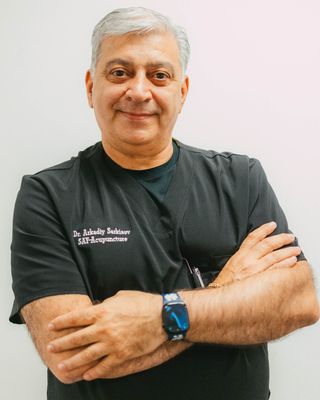
Arkadiy is a national board-certified Acupuncturist by the National Certification Commission for Acupuncture and Oriental Medicine (NCCAOM) and the Michigan Medical Acupuncture Association (MMAA). He has a Master's Degree from the Midwest College of Oriental Medicine in Traditional Chinese Acupuncture and a certification in Medical Acupuncture from a Medical School in Russia. He has over 35+ years of experience in acupuncture. His background is in Physical Therapy and Medical Massage Therapy.
Arkadiy is a national board-certified Acupuncturist by the National Certification Commission for Acupuncture and Oriental Medicine (NCCAOM) and the Michigan Medical Acupuncture Association (MMAA). He has a Master's Degree from the Midwest College of Oriental Medicine in Traditional Chinese Acupuncture and a certification in Medical Acupuncture from a Medical School in Russia. He has over 35+ years of experience in acupuncture. His background is in Physical Therapy and Medical Massage Therapy.
I have a Family practice for over over 37 yrs. Babies and children are treated with electro-acupuncture that is painless. Acupuncture is successful with pain conditions and many other health challenges. I teach simple techniques to help with emotional upsets as well. These techniques can be used safely and effectively in the privacy of your home. Very fine needles are used to insure comfort. I teach breathing methods and Qi Gong (energy training) that can be used in your private life to enhance your health and well being. I utilize many diverse techniques to deliver the holistic health care that you need and want.
I have a Family practice for over over 37 yrs. Babies and children are treated with electro-acupuncture that is painless. Acupuncture is successful with pain conditions and many other health challenges. I teach simple techniques to help with emotional upsets as well. These techniques can be used safely and effectively in the privacy of your home. Very fine needles are used to insure comfort. I teach breathing methods and Qi Gong (energy training) that can be used in your private life to enhance your health and well being. I utilize many diverse techniques to deliver the holistic health care that you need and want.
Online Acupuncturists
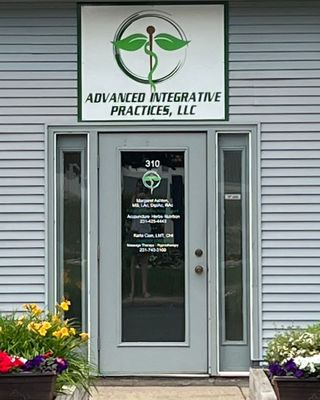
Relaxing Acupuncture Clinic offering affordable health care. Acupuncture is a process so it is rare that a problem will be resolved in just one visit. In China, where acupuncture is a common method of health care, it is not unusual to have regular treatments for many months for a chronic condition or daily for something acute. I strive to make treatments affordable so patients will continue with care through the entire process allowing you to get better and stay better.
Relaxing Acupuncture Clinic offering affordable health care. Acupuncture is a process so it is rare that a problem will be resolved in just one visit. In China, where acupuncture is a common method of health care, it is not unusual to have regular treatments for many months for a chronic condition or daily for something acute. I strive to make treatments affordable so patients will continue with care through the entire process allowing you to get better and stay better.
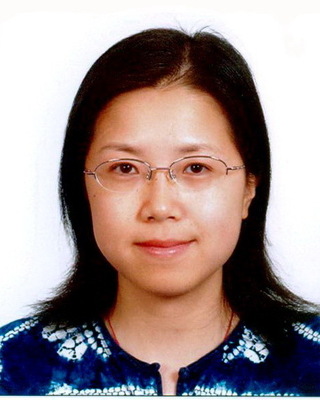
National Board Certified (NCCAOM) Acupuncturist, Member of the Michigan Association of Acupuncture and Oriental Medicine, Licensed Chinese Herbalist (China). Ya Chu graduated in 1994 with 5 years of training in Acupuncture and Chinese Medicine from Chengdu University of Traditional Chinese Medicine P.R.China (Top 5 TCM University in China).Grace graduated with honors in the top 1% of the program's students. Her Professor, Li Changdu, was the Director of the Department of Acupuncture at Chengdu University Hospital of TCM. Ya Chu had practiced over 25 years.
National Board Certified (NCCAOM) Acupuncturist, Member of the Michigan Association of Acupuncture and Oriental Medicine, Licensed Chinese Herbalist (China). Ya Chu graduated in 1994 with 5 years of training in Acupuncture and Chinese Medicine from Chengdu University of Traditional Chinese Medicine P.R.China (Top 5 TCM University in China).Grace graduated with honors in the top 1% of the program's students. Her Professor, Li Changdu, was the Director of the Department of Acupuncture at Chengdu University Hospital of TCM. Ya Chu had practiced over 25 years.
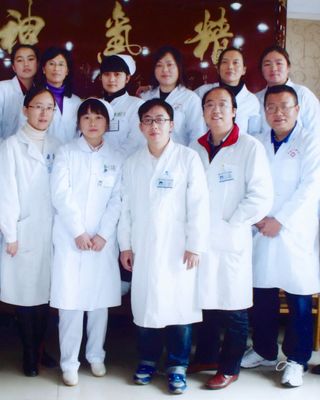
Pain, Immobility, Stress, Allergies, Menopause, Insomnia, Smoking, Addiction?... The Acupuncture & Massage Center has the best professional team to help you! Since 2004, Charlotte Yang MD and our Licensed Acupuncturist, Licensed Chinese Herbalist have stood ready to give you the best service in this area. Acupuncture originated in China. Our staff received their training from Chengdu University of Traditional Chinese Medicine P.R.China (Top 5 TCM University in China).
Pain, Immobility, Stress, Allergies, Menopause, Insomnia, Smoking, Addiction?... The Acupuncture & Massage Center has the best professional team to help you! Since 2004, Charlotte Yang MD and our Licensed Acupuncturist, Licensed Chinese Herbalist have stood ready to give you the best service in this area. Acupuncture originated in China. Our staff received their training from Chengdu University of Traditional Chinese Medicine P.R.China (Top 5 TCM University in China).
FAQs - About Acupuncture
How can I find an acupuncturist in Grand Rapids?
To find an acupuncturist near you, enter your city, town, suburb, ZIP code, or the provider's name into the search bar at the top of the page. You can then filter results by provider specialty, treatment technique or style, and even gender to find an acupuncturist who best matches your needs.
When viewing an acupuncturist’s profile, take note of key details such as session costs, their area of specialty, treatment techniques, and location to determine if they’re a good fit. If a provider seems promising, you can reach out via email or phone using the contact information on their profile. During the conversation, assess your comfort level and their expertise in addressing your specific concerns. It’s also a good opportunity to ask about their overall approach to care and confirm any relevant acupuncture credentials they hold.
When viewing an acupuncturist’s profile, take note of key details such as session costs, their area of specialty, treatment techniques, and location to determine if they’re a good fit. If a provider seems promising, you can reach out via email or phone using the contact information on their profile. During the conversation, assess your comfort level and their expertise in addressing your specific concerns. It’s also a good opportunity to ask about their overall approach to care and confirm any relevant acupuncture credentials they hold.
What can acupuncture help with?
Acupuncture is most commonly used to treat chronic pain, including pain caused by physical injuries, arthritis, or migraines. It may also help with autoimmune conditions, nausea, digestive issues, and behavioral health concerns such as anxiety, depression, or insomnia. Rooted in ancient Chinese tradition, acupuncture is based on the belief that illness results from an imbalance in the body’s energy, or “Qi.” Practitioners aim to restore the balance and flow of Qi by stimulating specific acupuncture points throughout the body, which is thought to alleviate pain and other symptoms associated with these conditions.
Acupuncture is typically used alongside medical treatment rather than as a replacement. It is important to note that acupuncture practitioners are not trained to diagnose or medically manage conditions, so it should not substitute regular care from a licensed medical provider.
Acupuncture is typically used alongside medical treatment rather than as a replacement. It is important to note that acupuncture practitioners are not trained to diagnose or medically manage conditions, so it should not substitute regular care from a licensed medical provider.
Is a licensed acupuncturist a doctor?
No, acupuncturists are not medical doctors. To practice acupuncture, there is typically less training needed than that required for medical doctors. Acupuncture practitioners typically need to complete a master’s-level training program and meet a minimum requirement for clinical exposure before obtaining a license. However, licensing requirements vary by state. While most states have established minimum standards, some, such as Alabama, Oklahoma, and South Dakota, do not offer licensure for acupuncturists. In these states, there are no formal education or training requirements to practice acupuncture. The National Certification Commission for Acupuncture and Oriental Medicine (NCCAOM) oversees acupuncture training and certification. This organization administers the national certification exam, which is required in many states to obtain a state-issued acupuncture license.
How many acupuncture sessions are generally needed?
Acupuncture is typically a time-limited treatment lasting 3 to 6 weeks, with sessions occurring 1 to 2 times per week. However, the duration and frequency of treatment may vary depending on the severity of symptoms and the nature of the condition or injury being treated. Acupuncturists should regularly assess their clients' progress, monitoring changes in symptoms and adjusting the treatment plan as necessary. After completing the initial course of treatment, some practitioners may recommend periodic "tune-up" sessions to help maintain symptom relief and longer-term well-being.
How much does it cost to see an acupuncturist?
The cost of acupuncture sessions typically ranges from $75 to $150 per session, depending on factors such as location, the provider’s experience, and the type of service offered. Some insurance plans may cover a portion of these costs, so it’s worth checking your specific coverage details. Additionally, some acupuncturists offer session packages or discounts for clients who commit to multiple sessions upfront, providing a more cost-effective option for those seeking ongoing treatment.
Is acupuncture covered by insurance?
Insurance coverage for acupuncture varies depending on the client’s insurance provider and specific plan. In many cases, insurance will cover a limited number of acupuncture sessions if the client has a referral from a medical doctor. The growing focus on non-opioid treatments for chronic pain has increased interest in acupuncture and led to improved insurance coverage in some plans. However, coverage often comes with conditions, such as copayments, limits on the number of sessions, or restrictions on the types of conditions eligible for treatment. For example, Medicare Part B generally covers acupuncture only for chronic low back pain. Clients should review their insurance policy to understand the extent and specifics of their plan's coverage of acupuncture treatments.