Irritable Bowel Syndrome (IBS) Nutritionists and Dietitians in P6C
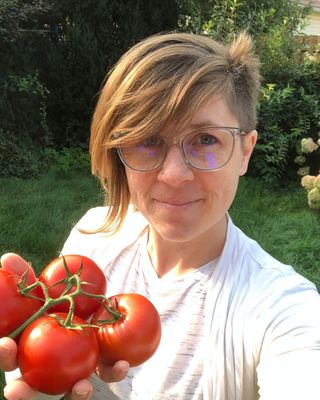
I have experience working with clients on a wide variety of health conditions (e.g. heart health, digestive health (e.g. IBS), fatty liver disease, pre-diabetes and type 2 diabetes).
Are you tired of dieting, food guilt, and constantly thinking about what you “should” eat? I help women move away from restrictive eating and build a more peaceful, trusting relationship with food through a weight-inclusive, HAES-aligned approach. Together, we’ll work on intuitive eating, sustainable habits, and nutrition that supports your health without shame or rigid rules. I also enjoy supporting clients managing conditions like ADHD, diabetes, PCOS, digestive concerns, high cholesterol, and other chronic health conditions.
I have experience working with clients on a wide variety of health conditions (e.g. heart health, digestive health (e.g. IBS), fatty liver disease, pre-diabetes and type 2 diabetes).
Are you tired of dieting, food guilt, and constantly thinking about what you “should” eat? I help women move away from restrictive eating and build a more peaceful, trusting relationship with food through a weight-inclusive, HAES-aligned approach. Together, we’ll work on intuitive eating, sustainable habits, and nutrition that supports your health without shame or rigid rules. I also enjoy supporting clients managing conditions like ADHD, diabetes, PCOS, digestive concerns, high cholesterol, and other chronic health conditions.
More Dietitians and Nutritionists Nearby

My mission is to support you in finding ways to nourish your body AND your soul, while incorporating all of the foods that bring you joy. I use a warm, weight-inclusive, compassionate, and refreshing approach. If you have lost the joy of eating, are tired of restricting foods (especially the ones you love!), dieting, adhering to ‘food rules’, counting calories, weighing yourself, and doing exercises that you dread, it may be time to try a new and refreshing approach. Covered by many health benefit plans. We also now have a therapist on our team! Collaborative care can go a long way in helping to heal your relationship with food.
My mission is to support you in finding ways to nourish your body AND your soul, while incorporating all of the foods that bring you joy. I use a warm, weight-inclusive, compassionate, and refreshing approach. If you have lost the joy of eating, are tired of restricting foods (especially the ones you love!), dieting, adhering to ‘food rules’, counting calories, weighing yourself, and doing exercises that you dread, it may be time to try a new and refreshing approach. Covered by many health benefit plans. We also now have a therapist on our team! Collaborative care can go a long way in helping to heal your relationship with food.
Irritable Bowel Syndrome (IBS) Nutritionists and Dietitians
What is Irritable Bowel Syndrome (IBS)?
Irritable bowel syndrome (IBS) is a general term that refers to a collection of symptoms associated with poor gut mobility and function, including abdominal pain, bloating, gas, and diarrhea. IBS is very common, with some estimates suggesting that as many as 10-15% of adults within the United States have IBS. Although the two conditions sound similar and share many symptoms, such as abdominal pain and diarrhea, IBS differs from irritable bowel diseases (IBDs), such as ulcerative colitis and Crohn's disease. In contrast to IBS which is caused by issues in the functioning of the colon, IBDs are inflammatory conditions caused by overactive immune cells within the intestine. IBDs are much less common than IBS and typically more medically severe, occasionally requiring intensive medical treatment and/or surgery. IBS, in contrast, can usually be managed effectively with lifestyle changes and less intense medical intervention.
What are the subcategories of IBS?
Medical professionals generally identify four main types of IBS: IBS-C (constipation-predominant subtype), IBS-D (diarrhea-predominant subtype), IBS-M (mixed bowel subtype), and IBS-U (undefined subtype). Identifying the predominant type of IBS an individual has can be important for determining the type of treatment that is best for them, such as the lifestyle and dietary changes that may be most appropriate, as well as any medications that may be necessary. However, individuals may also experience multiple subtypes over time, as well as experience cycles of flare-ups and symptom relief.
What causes IBS?
The causes of IBS are not well understood, but symptoms are generally attributed to issues with gut muscle contraction and changes in the gut microbiome, both of which can lead to the characteristic symptoms of IBS. These issues can be caused by a variety of lifestyle factors, such as diet and stress. While lifestyle modifications may not completely cure IBS symptoms, identifying symptom-triggering foods, consuming a balanced diet, and reducing stress have all been shown to greatly reduce symptoms. IBS can also be caused by bacterial or parasitic infections within the intestine, in which case the syndrome is referred to as "post-infectious IBS." In contrast to non-infectious IBS, post-infectious IBS is less chronic in nature and symptoms will often resolve once the infection has subsided.
What foods should I avoid if I have IBS?
Specific foods that may trigger symptoms of IBS can vary person-to-person. However, common foods that may exacerbate symptoms include high-fat foods (such as fatty meats), wheat, dairy products, highly acidic foods (such as citrus), beans, cabbage, milk, and carbonated drinks. Over time, individuals with IBS are often able to identify which foods cause their symptoms to worsen and learn to avoid such foods to manage their symptoms.