Intuitive Eating Nutritionists and Dietitians in Kamloops, BC
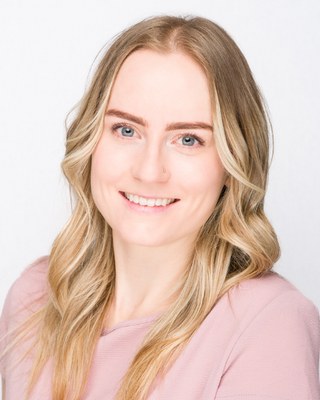
Specialty: Eating Disorders, Disordered Eating, Mental Health, Emotional Eating, Intuitive Eating, Chronic Disease, Geriatrics/Seniors Health, IBS & Digestive Health, Dysphagia/Swallowing Issues, ADHD, & Women’s Health.
Courtney is one of the experienced registered dietitians on the Health Stand Nutrition Team. Since 2000, our compassionate team has provided personal nutrition counseling at our local office in Calgary and virtually by phone or video conferencing. Our dietitians specialize in a wide range of areas - we connect you with the best-fit dietitian for your needs.
Specialty: Eating Disorders, Disordered Eating, Mental Health, Emotional Eating, Intuitive Eating, Chronic Disease, Geriatrics/Seniors Health, IBS & Digestive Health, Dysphagia/Swallowing Issues, ADHD, & Women’s Health.
Courtney is one of the experienced registered dietitians on the Health Stand Nutrition Team. Since 2000, our compassionate team has provided personal nutrition counseling at our local office in Calgary and virtually by phone or video conferencing. Our dietitians specialize in a wide range of areas - we connect you with the best-fit dietitian for your needs.
Intuitive Eating Nutritionists and Dietitians
What is intuitive eating?
Intuitive eating is a nutritional philosophy that emphasizes the use of physical hunger cues and satisfaction to guide eating, while rejecting common principles of weight loss, dieting, and restriction. Intuitive eating was popularized by Evelyn Tribole and Elyse Resch, two Registered Dietitians specializing in eating disorders who outlined 10 principles of intuitive eating that continue to shape the approach today: Reject the Diet Mentality, Honor Your Hunger, Make Peace with Food, Challenge the Food Police, Respect Your Fullness, Discover the Satisfaction Factor, Honor Your Feelings without Using Food, Respect Your Body, Exercise—”Feel the Difference, and Honor Your Health with Gentle Nutrition.”
What does an intuitive eating dietitian do?
An intuitive eating dietitian applies the key principles of intuitive eating to their work with clients, helping them honor their hunger, reduce dietary restriction or "food rules," and improve their body image. Unlike dietitians who prescribe strict dietary changes or meal plans, intuitive eating dietitians often take a more holistic approach with clients. They may discuss the physical aspects of intuitive eating with clients, such as helping clients identify when they experience hunger, but they may also discuss topics such as mindfulness, exercise, body acceptance, and mental health.
Who should see an intuitive eating dietitian?
Anyone can see an intuitive eating dietitian; indeed, many people may be drawn to the idea of intuitive eating for its departure from the strict rules of diet culture and its emphasis on weight inclusivity and body acceptance. In particular, individuals who have a long history of chronic dieting may be particularly interested in seeing an intuitive eating dietitian, who will not emphasize diets as many other nutrition professionals may. In addition, individuals recovering from disordered eating or food restriction may also benefit from seeing an intuitive eating dietitian, who can help them become less reliant on rigid food rules and develop a more positive relationship with food and their body.
How do I find a good intuitive eating dietitian?
When you visit a dietitian or nutritionist's profile, you can get a better idea if they are the right fit for you by reading about their approach to nutrition. Often, dietitians who specialize in intuitive eating will outline this nutrition philosophy on their Psychology Today profile or on their website; if not, it can be helpful to look for a dietitian who emphasizes similar principles in their nutrition practice, such as taking a non-diet approach or emphasizing body acceptance or Health At Every Size (HAES) principles. When looking for potential dietitians, it can also be important to look at things like session cost, accepted insurance plans, and their location or telehealth options. When you find a professional who may be a good fit, you can reach out to speak with them and ask about their expertise within a specific area, such as eating disorders or mindful eating.