Food Allergy Nutritionists and Dietitians in Winnebago County, WI

I am a weight-inclusive Registered Dietitian who applies the principles of Intuitive Eating to help clients explore their relationship with food and body. My goal is to address the misconceptions diet culture has created while simultaneously helping clients achieve body trust and eat in a sustainable way. I strive to assist clients in shifting from a disordered place of eating and moving to a peaceful place of embracing their food choices and exploring fun ways to move their body.
I am a weight-inclusive Registered Dietitian who applies the principles of Intuitive Eating to help clients explore their relationship with food and body. My goal is to address the misconceptions diet culture has created while simultaneously helping clients achieve body trust and eat in a sustainable way. I strive to assist clients in shifting from a disordered place of eating and moving to a peaceful place of embracing their food choices and exploring fun ways to move their body.
Online Dietitians and Nutritionists
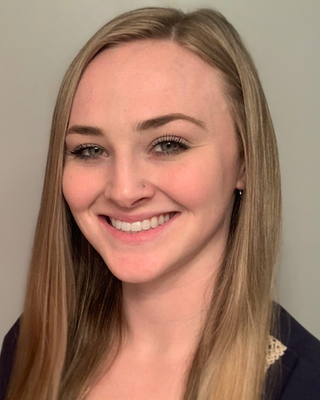
Ashley Walls specializes in working with clients interested in general healthy eating, and conditions including Eating Disorders, Disordered Eating, Celiac, Crohn's, IBS, Intuitive Eating, Weight Management and more. With 3 years of experience at a residential treatment level, Ashley is well versed on the difficulties associated with cooccurring diagnosis and eating disorder recovery. She believes that all foods fit through practice of balance, variety and moderation. Her past experiences as an athlete and personal trainer has prompted a particular interest in sports nutrition.
Ashley Walls specializes in working with clients interested in general healthy eating, and conditions including Eating Disorders, Disordered Eating, Celiac, Crohn's, IBS, Intuitive Eating, Weight Management and more. With 3 years of experience at a residential treatment level, Ashley is well versed on the difficulties associated with cooccurring diagnosis and eating disorder recovery. She believes that all foods fit through practice of balance, variety and moderation. Her past experiences as an athlete and personal trainer has prompted a particular interest in sports nutrition.

Ava’s ideal client is someone who is curious about nutrition and ready to make real, lasting changes. They want to break free from diets, rebuild their relationship with food, and learn to trust their body’s cues. They’re interested in hormone balance, gut health, anti-inflammatory eating, and sustainable habits that support energy and well-being. They value guidance, education, and accountability as they move toward intuitive eating, joyful movement, and long-term health.
Ava’s ideal client is someone who is curious about nutrition and ready to make real, lasting changes. They want to break free from diets, rebuild their relationship with food, and learn to trust their body’s cues. They’re interested in hormone balance, gut health, anti-inflammatory eating, and sustainable habits that support energy and well-being. They value guidance, education, and accountability as they move toward intuitive eating, joyful movement, and long-term health.
Food Allergy Nutritionists and Dietitians
What does it mean to have a food allergy?
A food allergy occurs when the body's immune system mistakenly identifies a specific food as a threat and mounts an immune response against it. The severity of food allergies can vary widely, ranging from mild reactions, such as hives or stomach discomfort, to severe cases like anaphylaxis. Anaphylaxis is a life-threatening condition characterized by a whole-body immune response that can cause symptoms such as swelling of the throat and difficulty breathing. While mild symptoms often resolve on their own, severe reactions may require emergency medical intervention. In such cases, epinephrine is commonly administered to relax the airway muscles and facilitate breathing.
Can a food allergy be cured?
There is little evidence to suggest that food allergies can be cured, and those with severe allergies are often guided to always take significant precaution when consuming foods that could potentially contain or be cross-contaminated with a major allergen. That said, food allergies are more common in children, and many allergies are actually outgrown as a child ages and develops a more robust immune system. Recent research has also suggested that exposure to certain common allergen foods, such as peanuts, early in childhood can reduce the risk the child goes on to develop an allergy to that food in their adult life.
How do I know if I have a food allergy?
Individuals can identify a food allergy by recognizing symptoms that appear after consuming a specific food. Common symptoms of food allergies include hives, itchy skin or mouth, dizziness, nausea, vomiting, stomach pain, and difficulty breathing. These symptoms usually occur immediately after eating the allergenic food, although in rare cases, they can develop more slowly.
How can a dietitian help someone with a food allergy?
Dietitians play a crucial role in assisting individuals with food allergies, especially those with multiple allergies that complicate their ability to maintain a balanced diet. They can help ensure that clients receive all essential nutrients while avoiding foods that could trigger severe allergic reactions. Dietitians are also knowledgeable about which foods pose a high risk of cross-contamination and can advise on strategies to prevent accidental exposure. Additionally, dietitians can help distinguish between food allergies and food intolerances—two related but distinct conditions. Food allergies involve an immune response, while intolerances typically involve digestive issues. Accurate diagnosis of these conditions enables clients to make informed decisions about symptom management and dietary choices.