ADHD Nutritionists and Dietitians in Pasco, WA
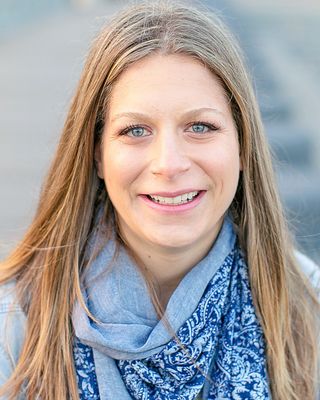
Focus areas include treatment of eating disorders and disordered eating, where Laura has specialized training, intuitive eating, ADHD / anxiety / depression and other mental health conditions, behavior modification, and more.
Laura is a Registered Dietitian Nutritionist (RDN) with a background in psychology that focuses on helping clients cultivate a safe and nourishing relationship with food and eating while supporting their mental health. She believes health is so much more than what we eat, so she has a special focus at the intersection of nutrition and psychological wellbeing. Laura has won numerous awards for her holistic approach to care, including Dietitian of the Year at New York Presbyterian Hospital - one of the largest health systems in NYC.
Focus areas include treatment of eating disorders and disordered eating, where Laura has specialized training, intuitive eating, ADHD / anxiety / depression and other mental health conditions, behavior modification, and more.
Laura is a Registered Dietitian Nutritionist (RDN) with a background in psychology that focuses on helping clients cultivate a safe and nourishing relationship with food and eating while supporting their mental health. She believes health is so much more than what we eat, so she has a special focus at the intersection of nutrition and psychological wellbeing. Laura has won numerous awards for her holistic approach to care, including Dietitian of the Year at New York Presbyterian Hospital - one of the largest health systems in NYC.

Catherine provides a safe, nonjudgmental environment to cultivate a relationship with food that nourishes and heals the body while supporting mental wellbeing. Specialties include weight neutral care, eating disorders, intuitive eating, integrative and functional nutrition, medical nutrition therapy, gerontology, trauma informed care, diabetes, heart disease, kidney disease and more.
Catherine provides a safe, nonjudgmental environment to cultivate a relationship with food that nourishes and heals the body while supporting mental wellbeing. Specialties include weight neutral care, eating disorders, intuitive eating, integrative and functional nutrition, medical nutrition therapy, gerontology, trauma informed care, diabetes, heart disease, kidney disease and more.
More Dietitians and Nutritionists Nearby

I support families with growth concerns, picky eating and ARFID, neurodivergence ( ADHD, autism), and help adults manage conditions like IBS, IBD, CKD, and PCOS.
You may feel overwhelmed by conflicting nutrition advice, frustrated that past approaches haven’t worked, or worried about your child's eating. You might be looking for guidance that fits your day-to-day life and supports your health - without rigid rules or food guilt. Many of my clients are individuals working on their nutrition habits, managing health conditions, families navigating feeding challenges, or neurodivergent adults and children who benefit from flexible, sensory-aware strategies around food. They all have one thing in common: wanting a more peaceful relationship with food.
I support families with growth concerns, picky eating and ARFID, neurodivergence ( ADHD, autism), and help adults manage conditions like IBS, IBD, CKD, and PCOS.
You may feel overwhelmed by conflicting nutrition advice, frustrated that past approaches haven’t worked, or worried about your child's eating. You might be looking for guidance that fits your day-to-day life and supports your health - without rigid rules or food guilt. Many of my clients are individuals working on their nutrition habits, managing health conditions, families navigating feeding challenges, or neurodivergent adults and children who benefit from flexible, sensory-aware strategies around food. They all have one thing in common: wanting a more peaceful relationship with food.
ADHD Nutritionists and Dietitians
What is ADHD?
Attention-Deficit Hyperactivity Disorder (ADHD) is a behavioral condition characterized by difficulties in concentrating, impulsive actions, easy distractibility, and trouble staying still. ADHD is most commonly diagnosed in childhood, with symptoms starting as early as 3 years old, and is much more common in boys than girls. Individuals with ADHD often struggle to complete tasks at work or school, and they may experience challenges in their personal relationships due to communication issues. While some children may outgrow ADHD, many continue to experience symptoms into adulthood. Fortunately, there are effective ways to manage ADHD. A combination of therapy, medication, and behavioral modifications is most effective in treating ADHD.
How does nutrition affect ADHD?
While no evidence directly supports the idea that nutrition plays a causal role in the development of ADHD, nutrition can play a large role on the symptoms of ADHD. Certain foods may influence ADHD symptoms. Consumption of foods high in sugar or simple carbohydrates, such as white bread, may cause blood sugar spikes that exacerbate the symptoms of ADHD; indeed, maintaining stable blood sugar levels can be crucial for maintaining consistent energy and focus. Similarly, avoiding caffeine—found in coffee, tea, soda, and chocolate—is particularly important for those with ADHD, as excessive caffeine intake can exacerbate hyperactivity and inattention.
Can ADHD be cured with nutrition?
While no evidence currently supports the idea that ADHD can be cured with nutrition, dietary modifications alongside proven ADHD treatments may be highly effective in managing the condition. For instance, consuming sufficient protein, particularly at breakfast, has been shown to increase focus and attention, which is beneficial for individuals with ADHD. Additionally, consuming healthy fats, especially foods high in omega-3 fatty acids like salmon, can greatly improve brain health. Lastly, individuals with ADHD may benefit from the structure of a nutrition plan that ensures regularly balanced meals and consistent meal times.
When is it useful for people with ADHD to see a registered dietitian?
While many people, even without an ADHD diagnosis, may benefit from seeing a registered dietitian (RD), individuals with ADHD may particularly benefit from consultation with an RD to assist in constructing a diet that is supportive of ADHD symptom management. An RD may be able to assist clients in becoming aware of their sugar consumption or caffeine intake, for instance, and help clients develop strategies to reduce their consumption of these ingredients. In addition, RDs specializing in clients with ADHD may be uniquely knowledgeable about the effects that ADHD medications can have on food intake. Close to 80% of people who take stimulant medications, which are frequently used for ADHD, experience appetite suppression while taking the medication; RDs specializing in ADHD thus often help clients on stimulant medication for ADHD develop strategies that ensure adequate dietary intake while maintaining a high-quality diet.