Crohn's Nutritionists and Dietitians in Logan, UT
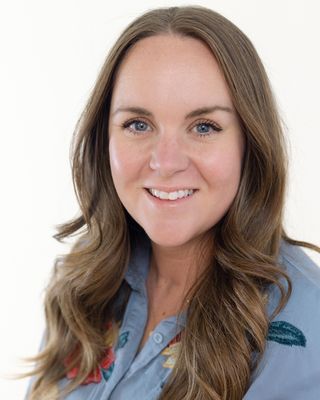
My goal is to support individuals in achieving balance while enjoying the foods they love. My approach focuses on incorporating nourishing foods and practicing mindfulness, rather than restriction, so you can maintain a healthy lifestyle even amidst a busy schedule. I am dedicated to helping you improve your relationship with food and body image and develop sustainable habits. I specialize in treating Eating Disorders including Anorexia, Bulimia, Binge Eating Disorder, ARFID, as well as addressing concerns related to women's health, GI Issues, Cholesterol, and more listed below.
My goal is to support individuals in achieving balance while enjoying the foods they love. My approach focuses on incorporating nourishing foods and practicing mindfulness, rather than restriction, so you can maintain a healthy lifestyle even amidst a busy schedule. I am dedicated to helping you improve your relationship with food and body image and develop sustainable habits. I specialize in treating Eating Disorders including Anorexia, Bulimia, Binge Eating Disorder, ARFID, as well as addressing concerns related to women's health, GI Issues, Cholesterol, and more listed below.
Online Dietitians and Nutritionists
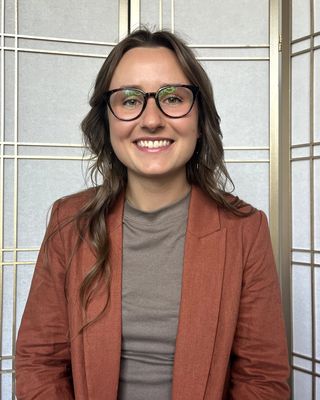
Ashlyn has a background in Medical Nutrition Therapy. She is equipped to work with disordered eating and/or eating disorders, utilizing principles of Intuitive Eating, Health at Every Size and Radically Open Dialectical Behavioral Therapy. Ashlyn has provided care for a variety of conditions, including but not limited to gastrointestinal diseases such as pancreatitis, IBS, IBD, gastroparesis, liver diseases, GERD, dysphagia and food allergies/intolerances. She has successfully helped manage CKD, diabetes, cardiovascular disease, autoimmune diseases, malnutrition, enteral and parenteral nutrition support.
Ashlyn has a background in Medical Nutrition Therapy. She is equipped to work with disordered eating and/or eating disorders, utilizing principles of Intuitive Eating, Health at Every Size and Radically Open Dialectical Behavioral Therapy. Ashlyn has provided care for a variety of conditions, including but not limited to gastrointestinal diseases such as pancreatitis, IBS, IBD, gastroparesis, liver diseases, GERD, dysphagia and food allergies/intolerances. She has successfully helped manage CKD, diabetes, cardiovascular disease, autoimmune diseases, malnutrition, enteral and parenteral nutrition support.
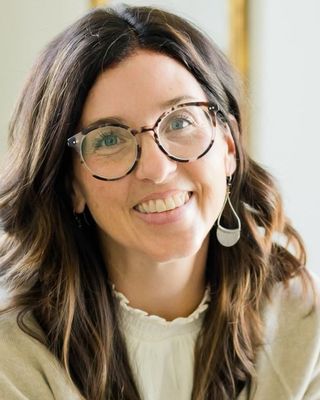
You’ve tried everything—elimination diets, medications, and countless supplements—yet you’re still battling bloating, fatigue, or unpredictable digestion. You want real answers, not quick fixes. Your goal is to feel good in your body again, enjoy food without fear, and finally understand what’s causing your symptoms. You need a clear plan and a trusted expert to guide you.
You’ve tried everything—elimination diets, medications, and countless supplements—yet you’re still battling bloating, fatigue, or unpredictable digestion. You want real answers, not quick fixes. Your goal is to feel good in your body again, enjoy food without fear, and finally understand what’s causing your symptoms. You need a clear plan and a trusted expert to guide you.
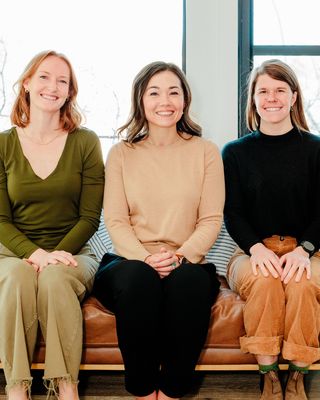
Marysa Anderson-Cardwell MS, RDN, CD, CPT;
Andrea Walsh MS, RDN, CD;
Susan Perazzo RDN, CD;
Lucy Mower MS, RDN, CD
Our training in nutrition and behavioral health has taught us that there is no one size fit all plan to health and well-being and that your eating plan needs to match your lifestyle, food preferences, and health goals. Food touches every aspect of our lives, from our performance to how our bodies are feeling, to our behaviors with and around food. Our ideal client is one that is ready to heal and to do the work necessary to get there. We will be there every step of the way to support you towards your goals!
Marysa Anderson-Cardwell MS, RDN, CD, CPT;
Andrea Walsh MS, RDN, CD;
Susan Perazzo RDN, CD;
Lucy Mower MS, RDN, CD
Our training in nutrition and behavioral health has taught us that there is no one size fit all plan to health and well-being and that your eating plan needs to match your lifestyle, food preferences, and health goals. Food touches every aspect of our lives, from our performance to how our bodies are feeling, to our behaviors with and around food. Our ideal client is one that is ready to heal and to do the work necessary to get there. We will be there every step of the way to support you towards your goals!
Crohn's Nutritionists and Dietitians
What is Crohn's disease?
Crohn's disease is a type of inflammatory bowel disease (IBD) characterized by inflammation in the intestines. It is considered an autoimmune condition, where the immune system becomes overactive in the lining of the digestive tract, causing symptoms such as abdominal pain, cramping, bloating, and the presence of blood or mucus in the stool. People with Crohn's disease can experience complications like infections and malnutrition and have an increased risk of colorectal cancer. Unfortunately, there are few definitive treatments for Crohn's disease. However, some patients are prescribed immunosuppressant drugs or steroids, which reduce the immune response and can help reduce symptoms of the disease.
Can Crohn's disease be cured with proper nutrition?
There is little evidence to suggest that Crohn's disease can be cured through nutrition. However, certain foods may worsen symptoms or trigger flare-ups. Common examples include dairy products, high-fat foods, processed meats, high-fiber foods, and beverages containing alcohol or sugar alcohol. People with Crohn's disease are generally advised to avoid foods that exacerbate their symptoms and to focus on consuming regular meals with adequate protein and nutrient density to prevent malnutrition.
What can you eat if you have Crohn's disease?
With the exception of avoiding foods that may exacerbate symptoms, individuals with Crohn's disease are often advised to consume a normal diet. Since Crohn's disease is an autoimmune condition and not caused by specific foods, it is generally recommended that individuals eat a regular and balanced diet as much as they can tolerate.
Should people with Crohn's disease see a dietitian?
People with Crohn's disease are at a greater risk of malnutrition and weight loss, as well as nutrient deficiencies, due to the poor absorption within the digestive track that can occur as a result of the disease. Therefore, dietitians can be highly beneficial to people with Crohn's disease to minimize the potential effects of malnutrition and ensure daily nutrient needs are being met. They may help people with Crohn's disease identify foods that contain sufficient calories and nutrients but minimize symptoms, such as suggesting iron-rich foods for clients with anemia. People with Crohn's disease also often experience flare-ups followed by periods of relief, so dietitians may be helpful in assisting clients in identifying food or nutrition-related factors that may contribute to or worsen their flare-ups.