Kidney Disease/Renal Nutritionists and Dietitians in Hondo, TX

I imagine my ideal client as someone who's ready to break free from diet culture, tired of all the approaches they've tried before that just don’t work. They’re open to making small, consistent changes and are willing to explore a more balanced relationship with food. What they need most is accountability, support, and guidance to help them take control of their eating habits in a way that feels empowering, not restrictive. They value open dialogue and want a plan that makes them feel nourished and in charge, instead of overwhelmed.
I imagine my ideal client as someone who's ready to break free from diet culture, tired of all the approaches they've tried before that just don’t work. They’re open to making small, consistent changes and are willing to explore a more balanced relationship with food. What they need most is accountability, support, and guidance to help them take control of their eating habits in a way that feels empowering, not restrictive. They value open dialogue and want a plan that makes them feel nourished and in charge, instead of overwhelmed.
More Dietitians and Nutritionists Nearby

Do you need help with prenatal or postpartum nutrition? Are you struggling with breastfeeding? Are you seeking support for eating disorders or pediatric nutrition? Are you searching for a dietitian who speaks Spanish?
Do you need help with prenatal or postpartum nutrition? Are you struggling with breastfeeding? Are you seeking support for eating disorders or pediatric nutrition? Are you searching for a dietitian who speaks Spanish?
Online Dietitians and Nutritionists
Our Registered Dietitians are commissioned through the Commission on Dietetic Registration and are licensed to practice nutrition in the state of Texas through the Texas Department of State Health Services. As a food and nutrition experts, we translate nutritional science into practical solutions that fit your specific needs and health goals. We believe in providing nutrition care that is evidence based, non-diet and weight inclusive.
Our Registered Dietitians are commissioned through the Commission on Dietetic Registration and are licensed to practice nutrition in the state of Texas through the Texas Department of State Health Services. As a food and nutrition experts, we translate nutritional science into practical solutions that fit your specific needs and health goals. We believe in providing nutrition care that is evidence based, non-diet and weight inclusive.
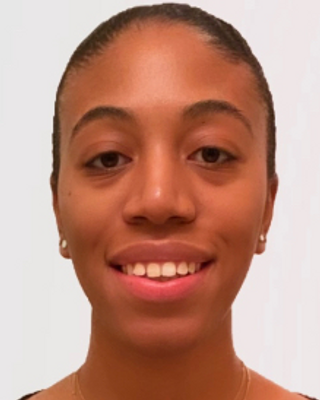
Danielle’s ideal client is a bariatric patient struggling to meet daily protein needs. Common concerns include low energy, confusion about which foods are appropriate, and uncertainty around high-protein sources. Clients often want guidance on protein goals and support with staying consistent with bariatric multivitamins.
Danielle’s ideal client is a bariatric patient struggling to meet daily protein needs. Common concerns include low energy, confusion about which foods are appropriate, and uncertainty around high-protein sources. Clients often want guidance on protein goals and support with staying consistent with bariatric multivitamins.

Diabetes? High Cholesterol? Overweight? Need Healthy Meal Plans? Call today for your Initial Consultation. Tiene diabetes, colesterol, alta presion o esta sobre peso? Necesita ayuda con la planificacion de comidas? Llamenos hoy para su consulta inicial!
Diabetes? High Cholesterol? Overweight? Need Healthy Meal Plans? Call today for your Initial Consultation. Tiene diabetes, colesterol, alta presion o esta sobre peso? Necesita ayuda con la planificacion de comidas? Llamenos hoy para su consulta inicial!

Video tele-health available in numerous states and in office appointments available in San Diego and Austin. We accept most insurance plans. Individualized plans to work with your body's natural biology and chemistry to set the stage for success.
Video tele-health available in numerous states and in office appointments available in San Diego and Austin. We accept most insurance plans. Individualized plans to work with your body's natural biology and chemistry to set the stage for success.
Kidney Disease/Renal Nutritionists and Dietitians
What are the symptoms of kidney disease?
The kidneys play a vital role in filtering blood and removing waste products from the body. Symptoms of kidney disease thus typically reflect the kidneys' reduced ability to perform these functions effectively; such symptoms include nausea, vomiting, changes in urination patterns, fatigue, hypertension (high blood pressure), and swelling or fluid retention in the body. Because kidney disease tends to be chronic, symptoms often develop gradually over time. Fortunately, diet modifications and lifestyle changes can be particularly important in managing kidney disease and preserving kidney function. Early intervention and lifestyle modifications are critical to prevent disease progression to end-stage kidney disease, which may require very invasive treatments like dialysis or a kidney transplant.
What foods should I avoid if I have kidney disease?
Managing diet is crucial for individuals with kidney disease to maintain kidney health. Specifically, it is important for individuals with kidney disease to avoid foods high in sodium, potassium, and phosphorus, as impaired kidneys may struggle to regulate these nutrients effectively, leading to complications such as hypertension and fluid retention. Choosing to prepare meals at home and avoiding processed foods—such as chips, canned goods, and soups—can significantly reduce sodium intake. Additionally, limiting consumption of high-potassium foods like bananas, oranges, beans, and dairy products, as well as phosphorus-rich foods such as whole grains, nuts, and certain dairy items, is important. Working with a dietitian specializing in renal nutrition can be a great option for those with kidney disease, as dietitians can provide tailored dietary strategies to support kidney function and offer individualized guidance on specific foods someone should avoid depending on the stage of their disease.
Can kidney disease be prevented with nutrition?
Adopting a healthy and balanced diet can play a critical role in reducing the risk of developing kidney disease. A diet that promotes healthy cholesterol levels and helps control blood pressure is particularly important, as these health factors can contribute to kidney disease risk. Additional strategies to support kidney health include limiting sodium intake to a maximum of 2,300 mg per day and maintaining healthy blood sugar levels. Managing diabetes and reducing consumption of high-sugar foods are essential, given that diabetes is a major contributor to kidney disease development. These dietary practices, alongside regular medical check-ups and lifestyle adjustments, can help mitigate one's risk of developing kidney disease.
What diet is best for people with kidney disease?
Instead of focusing on a single type of food, it is recommended that individuals with kidney disease follow dietary guidelines tailored to support kidney health. This often involves managing the intake of certain nutrients, such as sodium, potassium, and phosphorus, and maintaining a balanced diet rich in fiber, healthy fats, and lean protein. Nutrition experts also often recommend the Dietary Approaches to Stop Hypertension (DASH) diet for individuals with kidney disease. Known for its ability to lower blood pressure and improve heart health, the DASH diet emphasizes fruits, vegetables, whole grains, and low-fat dairy while reducing saturated fats. For those undergoing dialysis due to end-stage kidney disease, there may be additional dietary needs. Monitoring fluid intake and protein consumption closely is particularly crucial, as dialysis treatments can affect fluid and protein levels in the body.