Autism Nutritionists and Dietitians in Hudson County, NJ
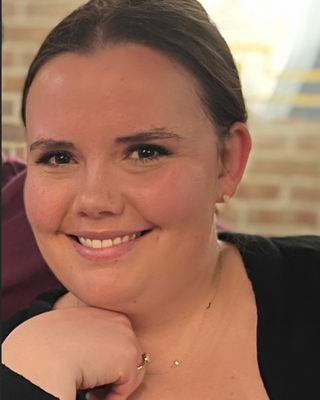
Olivia is a registered dietitian dedicated to helping individuals of all ages take a non-diet approach to nutrition while honoring both their bodies and mental health. She specializes in eating disorders, disordered eating, and intuitive and mindful eating, providing a safe space for clients to explore and challenge difficult food beliefs. Olivia believes in meeting clients where they are in their relationship with food and body to support meaningful, lasting change. She enjoys helping clients discover what healthy eating looks like in their own lives and creating a realistic sense of balance.
Olivia is a registered dietitian dedicated to helping individuals of all ages take a non-diet approach to nutrition while honoring both their bodies and mental health. She specializes in eating disorders, disordered eating, and intuitive and mindful eating, providing a safe space for clients to explore and challenge difficult food beliefs. Olivia believes in meeting clients where they are in their relationship with food and body to support meaningful, lasting change. She enjoys helping clients discover what healthy eating looks like in their own lives and creating a realistic sense of balance.

Madeline is a registered dietitian who is passionate about empowering individuals to achieve their personal goals and feel in control of their own nutrition journey. She has experience in all levels of eating disorder treatment across all age groups. Madeline has a background in athletics and utilizes this to foster resilience and strength in her clients. She approaches each session with curiosity and drive to understand her clients struggles. She provides a safe space for all individuals to create and define their own definition of health and sustainable change.
Madeline is a registered dietitian who is passionate about empowering individuals to achieve their personal goals and feel in control of their own nutrition journey. She has experience in all levels of eating disorder treatment across all age groups. Madeline has a background in athletics and utilizes this to foster resilience and strength in her clients. She approaches each session with curiosity and drive to understand her clients struggles. She provides a safe space for all individuals to create and define their own definition of health and sustainable change.
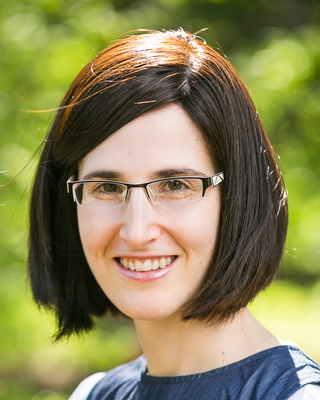
If you suffer from diabetes, heart disease, kidney disease, arthritic pain, migraines, fibromyalgia, digestive disorders, thyroid disorders, other autoimmune disorders or would like to lose weight, having the right approach to your diet and health is essential to feeling better. As an integrative nutritionist, I combine the most updated scientific research with a natural/holistic approach in my practice to help you increase your quality of life by improving your energy level, weight, focus and reducing inflammation.
If you suffer from diabetes, heart disease, kidney disease, arthritic pain, migraines, fibromyalgia, digestive disorders, thyroid disorders, other autoimmune disorders or would like to lose weight, having the right approach to your diet and health is essential to feeling better. As an integrative nutritionist, I combine the most updated scientific research with a natural/holistic approach in my practice to help you increase your quality of life by improving your energy level, weight, focus and reducing inflammation.
Online Dietitians and Nutritionists

I am an expert in the areas of weight loss, label reading, gluten-free and other food allergies and teaching mindfulness related to eating patterns.I create meal and lifestyle plans to reduce symptoms of inflammatory conditions, gastrointestinal and neurological disorders, forms of cancer, diabetes and cardiovascular disease. My program empowers individuals, families and groups to make smarter, more informed food decisions, leading to health, balance and longevity. I promote overall health through assisting clients and making informed food decisions by combining the most recent scientific findings with specific interventions that lead to health and balance.
I am an expert in the areas of weight loss, label reading, gluten-free and other food allergies and teaching mindfulness related to eating patterns.I create meal and lifestyle plans to reduce symptoms of inflammatory conditions, gastrointestinal and neurological disorders, forms of cancer, diabetes and cardiovascular disease. My program empowers individuals, families and groups to make smarter, more informed food decisions, leading to health, balance and longevity. I promote overall health through assisting clients and making informed food decisions by combining the most recent scientific findings with specific interventions that lead to health and balance.
Autism Nutritionists and Dietitians
What is the link between autism and diet?
While there is no evidence to suggest that autism is caused by diet, some individuals with autism face challenges related to food that highlight the importance of considering how diet and autism may be connected. Studies have shown that individuals with autism are more likely to have inadequate food intake compared to the general population. Many people with autism experience feeding issues due to sensory-related challenges. Just as loud sounds or bright lights can trigger sensory overload, the consistency, texture, smell, and strong taste of some foods can similarly cause sensory overload for individuals with autism, potentially leading to food aversion and/or malnutrition. Additionally, studies have indicated that individuals with autism often have different concentrations of bacteria within their gut microbiome, which may influence their response to food; however, much more research is needed to fully understand this connection.
What is autism food aversion?
Autism-related food aversion occurs when individuals with autism strongly dislike specific foods. This aversion is often triggered by sensory experiences such as texture, taste, smell, or how the food is presented. Some individuals with autism may also avoid certain foods due to concerns about choking or difficulty swallowing. The specific foods that individuals with autism avoid can vary widely. For example, crunchy foods like chips or carrots may be avoided due to the intense sensory experience they provide when eaten. On the other hand, soft foods with a gooey texture, such as applesauce or cottage cheese, may also trigger food aversion because of their specific textures.
What diet is best for people with autism?
There is no single best diet for individuals with autism, but experts generally recommend a balanced, plant-based diet rich in fruits, vegetables, whole grains, and low-fat proteins. However, due to potential food aversions, maintaining this balanced diet can be challenging for some. In such cases, experimenting with different foods and cooking methods may become important to ensure adequate nutrition. For example, while raw vegetables may be off-putting to some with autism due to sensory-related aversions, cooking them might make them more appealing and easier to consume. This illustrates that the presentation and preparation of food can often be more crucial than the specific type of food consumed. Ultimately, this tailored approach to individual sensory sensitivities and preferences can be essential to ensure that individuals with autism can still meet their nutritional needs.
Should people with autism see a dietitian?
Individuals with autism may benefit from seeing a dietitian if their challenges around food are impacting their ability to eat a healthy and balanced diet. For instance, if food-related sensory issues are limiting the ability of someone with autism to eat essential vitamins and minerals, a dietitian may be able to suggest strategies to overcome these challenges. It is important to look for a dietitian who has expertise in autism, as not all dietitians may be knowledgeable about working with individuals on the autism spectrum. In addition, it is important to look for a dietitian who is willing to work with other professionals of the individual's care team, such as therapists, who may also be working on topics related to food.