Postpartum Nutrition Nutritionists and Dietitians in Sylva, NC
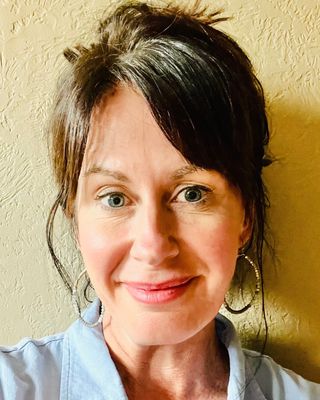
I know firsthand that health isn’t just about reacting to problems—it’s also about being proactive. As a dietitian and a mom of four, I understand the challenge of juggling it all—busy schedules, family meals, and finding balance in the chaos. That’s why I am passionate about making nutrition both practical and powerful.
Food isn’t just fuel—it’s a tool for longevity, energy, and well-being. Whether it’s stabilizing blood sugar, supporting hormonal health, or creating high-protein, low-calorie meals that fit a hectic lifestyle, my goal is to help folks make smart, informed choices that work in real life.
I know firsthand that health isn’t just about reacting to problems—it’s also about being proactive. As a dietitian and a mom of four, I understand the challenge of juggling it all—busy schedules, family meals, and finding balance in the chaos. That’s why I am passionate about making nutrition both practical and powerful.
Food isn’t just fuel—it’s a tool for longevity, energy, and well-being. Whether it’s stabilizing blood sugar, supporting hormonal health, or creating high-protein, low-calorie meals that fit a hectic lifestyle, my goal is to help folks make smart, informed choices that work in real life.
More Dietitians and Nutritionists Nearby

Hello! My name is Becca! I specialize in pediatric nutrition with a focus on eating disorders, picky eating, FTT, supporting neurodivergent children, and many more! My approach is warm, supportive, and rooted in evidence-based practices. I work closely with families to create personalized strategies that help kids feel safe around food, build confidence at mealtimes, and develop a healthy relationship with eating—without power struggles or shame. Whether your child is a selective eater, struggling with food anxiety, or just needs a little extra support, I’m here to help you navigate it with compassion and clarity.
Hello! My name is Becca! I specialize in pediatric nutrition with a focus on eating disorders, picky eating, FTT, supporting neurodivergent children, and many more! My approach is warm, supportive, and rooted in evidence-based practices. I work closely with families to create personalized strategies that help kids feel safe around food, build confidence at mealtimes, and develop a healthy relationship with eating—without power struggles or shame. Whether your child is a selective eater, struggling with food anxiety, or just needs a little extra support, I’m here to help you navigate it with compassion and clarity.

Each patient that comes in to see me has a story to tell. I listen and address the root causes that guides each person towards a path to health and well-being. We will create an individualized program that includes meal planning and recipes, along with a functional approach to feeling better and getting the results you want. If needed, we can test for food sensitivities using LEAP/MRT, hormones, micronutrient deficiencies, cardiometabolic, and stool testing for gut health. This holistic approach assesses someone's body as a whole to bring balance back into one's life.
Each patient that comes in to see me has a story to tell. I listen and address the root causes that guides each person towards a path to health and well-being. We will create an individualized program that includes meal planning and recipes, along with a functional approach to feeling better and getting the results you want. If needed, we can test for food sensitivities using LEAP/MRT, hormones, micronutrient deficiencies, cardiometabolic, and stool testing for gut health. This holistic approach assesses someone's body as a whole to bring balance back into one's life.
Online Dietitians and Nutritionists
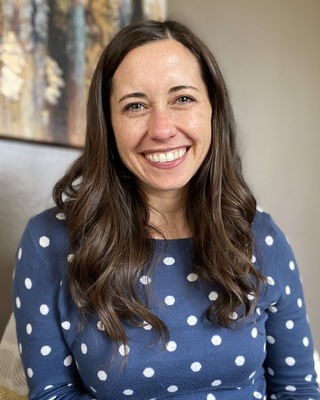
I’m Lauren, a holistic Registered Dietitian who supports women with PCOS in their 20s through early 40s achieve regular periods with less pain, bloating, and fatigue so they can regain control of their cycles, improve fertility outcomes, and protect their future health against PCOS-related risks.
Unlike one-size-fits-all solutions like birth control, restrictive diets, or cookie-cutter group programs, my collaborative and personalized approach empowers clients to build trust in themselves while learning how to best nourish their bodies through tailored and realistic nutrition, lifestyle, and supplement strategies.
I’m Lauren, a holistic Registered Dietitian who supports women with PCOS in their 20s through early 40s achieve regular periods with less pain, bloating, and fatigue so they can regain control of their cycles, improve fertility outcomes, and protect their future health against PCOS-related risks.
Unlike one-size-fits-all solutions like birth control, restrictive diets, or cookie-cutter group programs, my collaborative and personalized approach empowers clients to build trust in themselves while learning how to best nourish their bodies through tailored and realistic nutrition, lifestyle, and supplement strategies.
Postpartum Nutrition Nutritionists and Dietitians
What is postpartum nutrition?
Postpartum nutrition refers to the dietary practices and consumption of specific foods during the postpartum period, when the mother is recovering from childbirth and breastfeeding. Proper nutrition during this time is essential and can help replenish nutrients lost during childbirth, aid in healing, and ensure an adequate milk supply for the baby. Nutrition professionals specializing in postpartum nutrition can provide personalized consultation, helping new mothers identify the best foods for recovery and breastfeeding. They can also offer practical advice on adjusting eating habits to fit into the new routine of caring for a newborn.
Why is nutrition important during the postpartum period?
A healthy and balanced diet during the postpartum period is essential for both recovery from childbirth and supporting breastfeeding. Consuming a variety of nutrient-rich foods, such as whole grains, lean proteins, fruits, vegetables, and healthy fats, is crucial during this time. Additionally, breastfeeding women burn an extra 300-500 calories per day on average, so it’s important for them to consume enough calories to meet this increased demand. Key nutrients such as iodine, choline, and iron are particularly important during the postpartum period, as they play vital roles in maternal health and infant development. To ensure all nutrient requirements are met, doctors may recommend dietary supplements to help women get enough essential nutrients during the postpartum period.
What foods should I avoid postpartum?
Nutrition experts generally advise women to avoid alcohol, caffeine, and high-sugar foods during the postpartum period. It's also recommended that postpartum mothers avoid foods that may contain high levels of harmful chemicals, such as certain fish like mackerel, swordfish, and tuna, which can contain high mercury levels that may negatively affect a newborn's development if passed through breastmilk. Additionally, foods with strong smells and flavors, such as garlic, are often discouraged as they may cause the baby to reject breastfeeding due to taste preferences.
What diet is best for breastfeeding mothers?
For breastfeeding mothers, a well-rounded and nutritious diet is essential to support both the mother's health and the baby's growth and development. In general, it is recommended that breastfeeding mother's focus on consuming a balanced diet that contains whole grains, vegetables, fruits, healthy fats, and lean protein sources. In particular, ensuring that one is getting enough protein can be critical to ensuring sufficient breast milk supply. Sources of such protein include dairy products, lean meats, eggs, nuts and seeds, and beans. Additionally, certain fish that are low in mercury, like salmon, bluefish, and bass, are particularly beneficial, as they provide omega-3 fatty acids, including docosahexaenoic acid (DHA), which supports healthy infant brain development.