Bariatric Support Nutritionists and Dietitians in Haywood County, NC
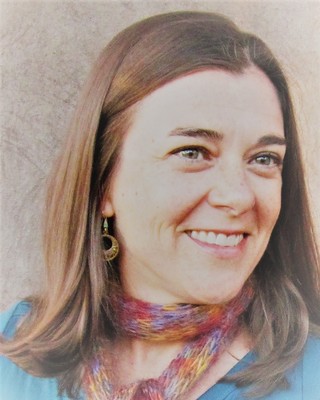
Certified Intuitive Eating Counselor. Are you feeling frustrated with dieting, following rigid eating plans, or overwhelmed with so much nutrition information out there? Are you looking for a positive and sustainable relationship with food and your body or hoping to better manage a health condition such as diabetes, heart disease, or PCOS? I focus on a non-diet health first approach and together we create a personalized nutrition plan that helps you meet your individual nutrition goals. I enjoy working with adults, teens, and families with young children. My services are covered by most BCBS health insurance policies.
Certified Intuitive Eating Counselor. Are you feeling frustrated with dieting, following rigid eating plans, or overwhelmed with so much nutrition information out there? Are you looking for a positive and sustainable relationship with food and your body or hoping to better manage a health condition such as diabetes, heart disease, or PCOS? I focus on a non-diet health first approach and together we create a personalized nutrition plan that helps you meet your individual nutrition goals. I enjoy working with adults, teens, and families with young children. My services are covered by most BCBS health insurance policies.
Online Dietitians and Nutritionists

Our hope is to accompany you on your journey of re-discovering the sacred connection to your body while healing your relationship with food. Everyone is born with intuitive wisdom to nourish and care for themselves, no matter how dormant it may feel. We use a non-diet approach to nutrition based on intuitive eating principles, weight-inclusive, and flexible thinking. We specialize in nutrition therapy for eating disorders, disordered eating, and chronic dieting. We are passionate about incorporating somatic modalities and integrating functional nutrition approaches and eco-therapy into nutrition counseling.
Our hope is to accompany you on your journey of re-discovering the sacred connection to your body while healing your relationship with food. Everyone is born with intuitive wisdom to nourish and care for themselves, no matter how dormant it may feel. We use a non-diet approach to nutrition based on intuitive eating principles, weight-inclusive, and flexible thinking. We specialize in nutrition therapy for eating disorders, disordered eating, and chronic dieting. We are passionate about incorporating somatic modalities and integrating functional nutrition approaches and eco-therapy into nutrition counseling.
Bariatric Support Nutritionists and Dietitians
What is bariatric surgery?
Bariatric surgery is a weight-loss method involving surgical intervention to help individuals lose weight. There are several types of bariatric surgery, including gastric sleeve procedures, gastric bypass, and duodenal switch surgeries like the biliopancreatic diversion with duodenal switch. This approach is often considered a "last resort" due to the high risks and potential complications, such as nutrient malabsorption, "dumping syndrome," gallstones, and hernias. To qualify for bariatric surgery, adults typically must have "class III obesity," defined as a BMI over 40, or a BMI over 35 with at least one related health issue. Adolescents and children can also undergo bariatric surgery but have different inclusion criteria due to the risks associated with the procedure.
How long does it take to see results from bariatric surgery?
In general, the primary goal of bariatric surgery is to promote weight loss to prevent or better manage obesity-related conditions, such as cardiovascular disease, type 2 diabetes, chronic mobility issues, and certain cancers. Therefore, since these diseases are chronic, it may take several years to see significant improvements or prevention following bariatric surgery. However, rapid weight loss often occurs in the initial weeks and months after surgery, with the extent of weight loss varying depending on the type of procedure and the patient's condition. Typically, the fastest weight loss occurs in the first 2-3 months post-surgery, with weight loss plateauing within 1-2 years.
What can you eat once you've had bariatric surgery?
In the first 1-2 months following bariatric surgery, individuals are placed on a restricted diet, such as a fully liquid or pureed food diet, to aid in recovery. After this initial period, most individuals can gradually reintroduce regular foods back into their diet, although they may find that some previously tolerated foods now cause discomfort, nausea, or vomiting. As a result, individuals are encouraged to reintroduce new foods slowly, especially those that are harder to digest, like salads, raw vegetables, and red meats. In addition, many clients may work closely with medical and nutrition professionals in the months and years following bariatric surgery in order to adopt a diet that promotes a healthier lifestyle and maintains their weight loss following bariatric surgery.
Who can benefit from bariatric nutrition support?
All individuals undergoing bariatric surgery can benefit from the expertise of a nutritional professional, such as a registered dietitian (RD), to manage their nutrition post-surgery. Given that bariatric surgery is often considered a "last resort" option, many individuals have already consulted a nutrition professional before their surgery to explore less invasive weight loss options. Following surgery, however, RDs can provide particularly valuable guidance in helping clients find foods that minimize post-surgery symptoms like nausea and vomiting and help develop a meal plan that promotes sustained weight loss. Additionally, RDs can help clients address certain nutritional deficiencies that may arise due to the altered digestive process after surgery, ensuring that clients maintain an adequate intake and receive essential vitamins and minerals following surgery.