Non-Diet Approach Nutritionists and Dietitians in Hattiesburg, MS
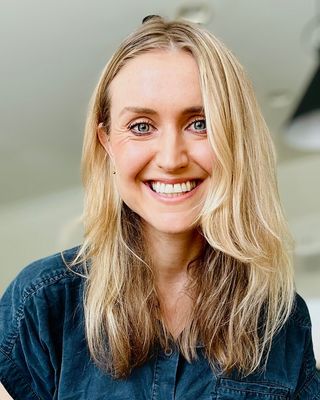
If you have an eating disorder and a cooccurring autoimmune disease, MCAS, endometriosis, PCOS, or live with neurodivergence such as ADHD or OCD, you might feel that no one understands how complicated this makes navigating food and your body.
I want you to know that I’ve walked that path too. I had an eating disorder throughout most of my teens, and shortly after entering recovery, was diagnosed with a chronic illness. That experience decades ago reshaped how I view healing and recovery, and shapes how I support my clients today.
If you have an eating disorder and a cooccurring autoimmune disease, MCAS, endometriosis, PCOS, or live with neurodivergence such as ADHD or OCD, you might feel that no one understands how complicated this makes navigating food and your body.
I want you to know that I’ve walked that path too. I had an eating disorder throughout most of my teens, and shortly after entering recovery, was diagnosed with a chronic illness. That experience decades ago reshaped how I view healing and recovery, and shapes how I support my clients today.
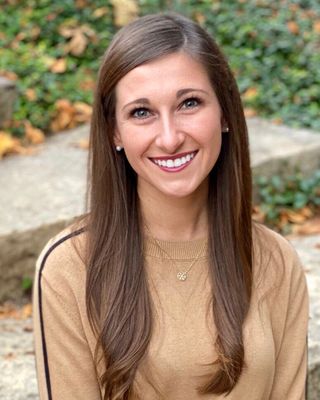
Mary-Lauren Shelton Vise, RDN, LD, CEDS-C, provides personalized, non-diet, weight-neutral care tailored to each client’s unique needs.
Mary-Lauren has extensive experience working with clients who have a variety of weight and eating concerns such as eating disorders, disordered eating, athletes, and those with medical diagnoses that require nutrition therapy such as polycystic ovary syndrome (PCOS) or diabetes.
Mary-Lauren Shelton Vise, RDN, LD, CEDS-C, provides personalized, non-diet, weight-neutral care tailored to each client’s unique needs.
Mary-Lauren has extensive experience working with clients who have a variety of weight and eating concerns such as eating disorders, disordered eating, athletes, and those with medical diagnoses that require nutrition therapy such as polycystic ovary syndrome (PCOS) or diabetes.
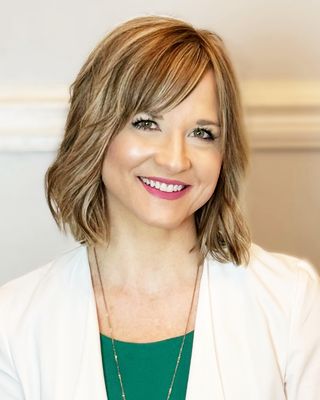
If you are looking for support in recovering from disordered eating, are tired of the dieting roller coaster, or trying to find a way to manage a health condition while keeping your quality of life; Dana would be happy to support you on your journey while offering compassion and a safe sharing space. Perhaps you are dealing with digestion and/or hormone imbalances and feel like something is just “off” in your body, feeling discouraged on your journey to feeling better. Dana uses a holistic and functional approach to nutrition and health, digging deeper to find what may be driving your symptoms, looking for lasting solutions.
If you are looking for support in recovering from disordered eating, are tired of the dieting roller coaster, or trying to find a way to manage a health condition while keeping your quality of life; Dana would be happy to support you on your journey while offering compassion and a safe sharing space. Perhaps you are dealing with digestion and/or hormone imbalances and feel like something is just “off” in your body, feeling discouraged on your journey to feeling better. Dana uses a holistic and functional approach to nutrition and health, digging deeper to find what may be driving your symptoms, looking for lasting solutions.
Non-Diet Approach Nutritionists and Dietitians
What is the non-diet approach to nutrition?
A non-diet approach to nutrition is a holistic strategy that prioritizes overall health and well-being over strict diets or weight loss plans. Dietitians who practice this approach emphasize intuitive eating, encouraging clients to listen to their internal hunger and fullness cues rather than following rigid dietary rules. This method promotes a healthier relationship with food and fosters self-acceptance, especially for individuals with a history of dieting or disordered eating patterns.
Why should I see a dietitian who takes a non-diet approach?
As more evidence highlights the ineffectiveness and potential harm of many diets, the non-diet approach is gaining popularity and recognition as a sustainable and compassionate nutritional strategy. Non-diet dietitians help clients shift their focus from weight to overall health, supporting behaviors that enhance physical and emotional well-being. Therefore, a non-diet approach to nutrition may be a welcome change for many individuals who are looking to branch out from the heavy emphasis on diets and weights that many professionals in the medical and wellness communities may have. Additionally, because non-diet dietitians take a more holistic approach, they will also often work with clients on their relationship to other lifestyle habits that impact wellbeing, such as encouraging a healthy relationship with exercise.
What can a non-diet approach help with?
A non-diet approach can be highly beneficial for individuals with a history of eating disorders or disordered eating patterns, as well as those who have experienced repeated dieting with little success. This approach helps clients move away from rigid food rules and promotes a healthier relationship with food. By focusing on intuitive eating, clients learn to trust their internal hunger and fullness cues, rather than adhering to external dietary guidelines. This approach can help clients develop an intuitive sense of their nutritional needs, improve body acceptance, and reduce the psychological stress or shame commonly associated with dieting.
What should I look for in a non-diet dietitian?
When searching for a non-diet dietitian, it's important to consider several factors to ensure they are the right fit for you. Start by reviewing the dietitian's profile on Psychology Today or their personal website. Look for mentions of intuitive eating, body acceptance, or Health At Every Size (HAES) principles, which are indicative of a non-diet approach. Non-diet dietitians often outline their nutrition philosophy in these profiles. In addition to their approach, consider practical factors such as session costs, accepted insurance plans, and the availability of in-person or telehealth options. When you find a professional who seems like a good fit, reach out to speak with them. During the conversation, pay attention to whether you feel comfortable with them and how they explain their non-diet approach. If you are seeking a dietitian for a specific concern, such as disordered eating or chronic dieting, this can also be a good time to ask about their experience in these areas.