Cancer/Oncology Nutritionists and Dietitians in Worcester County, MD
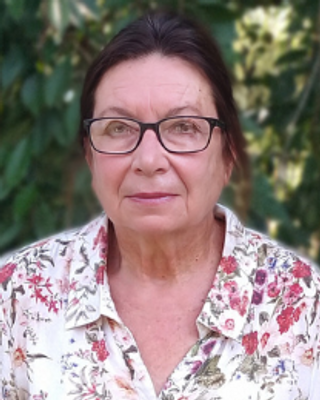
She can work with patients on a wide variety of conditions and goals including ADHD, cancer, cardiovascular disease, Celiac disease, chronic kidney disease, digestive health, fibromyalgia, healthy eating, weight loss, high cholesterol, hypertension, IBS, IBD, meal planning, a
Vicky is passionate about working with people on an individual basis and is compassionate about the challenges of financial restraints, fatigue, and how difficult it is to prepare healthy meals when faced with physical limitations and after working long days.
She can work with patients on a wide variety of conditions and goals including ADHD, cancer, cardiovascular disease, Celiac disease, chronic kidney disease, digestive health, fibromyalgia, healthy eating, weight loss, high cholesterol, hypertension, IBS, IBD, meal planning, a
Vicky is passionate about working with people on an individual basis and is compassionate about the challenges of financial restraints, fatigue, and how difficult it is to prepare healthy meals when faced with physical limitations and after working long days.
Online Dietitians and Nutritionists

Michael obtained his Master’s degree in human nutrition and has worked with Veterans through the Defenders of Freedom nonprofit organization. Michael found his passion for nutrition and wellness early on in life with great influence from his family. Michael enjoys spending time outside in nature with his white German Shepherd named Koda. When Michael is not hiking or working out, he enjoys watching sports, trying new recipes to cook, and collecting vintage games. Michael enjoys helping his clients understand themselves and strive towards their best version.
Michael obtained his Master’s degree in human nutrition and has worked with Veterans through the Defenders of Freedom nonprofit organization. Michael found his passion for nutrition and wellness early on in life with great influence from his family. Michael enjoys spending time outside in nature with his white German Shepherd named Koda. When Michael is not hiking or working out, he enjoys watching sports, trying new recipes to cook, and collecting vintage games. Michael enjoys helping his clients understand themselves and strive towards their best version.

I work exclusively with those affected by cancer - whether it's prevention, active treatment or cancer survivorship.
My root cause approach to addressing systemic imbalances allows me to tailor specific dietary, lifestyle and supplement recommendations unique to your health concerns and diagnosis. There is no one size fits all approach. Two people with the exact same cancer diagnosis may have very different cancer hallmarks and require very different approaches.
I work exclusively with those affected by cancer - whether it's prevention, active treatment or cancer survivorship.
My root cause approach to addressing systemic imbalances allows me to tailor specific dietary, lifestyle and supplement recommendations unique to your health concerns and diagnosis. There is no one size fits all approach. Two people with the exact same cancer diagnosis may have very different cancer hallmarks and require very different approaches.
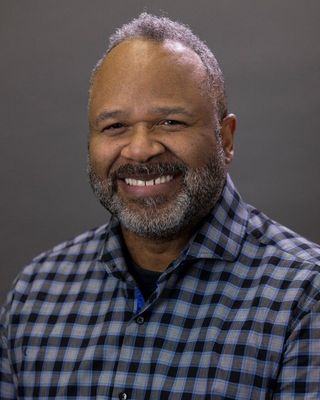
In a 1995 Nutrition in Medical Science Class, I discovered that statistically, African Americans suffered disproportionately from many chronic diseases. I made it my goal in this life to discover a solution to alter the trajectory of the problem. I now help African-Americans develop a proper relationship with the food they eat by incorporating culture into the recipe of active living, glorious nutrition and wellness!
In a 1995 Nutrition in Medical Science Class, I discovered that statistically, African Americans suffered disproportionately from many chronic diseases. I made it my goal in this life to discover a solution to alter the trajectory of the problem. I now help African-Americans develop a proper relationship with the food they eat by incorporating culture into the recipe of active living, glorious nutrition and wellness!
Cancer/Oncology Nutritionists and Dietitians
Why is nutrition important for cancer treatment?
Nutrition can play a key role in cancer treatment. The symptoms of cancer and its treatments—such as nausea, vomiting, and loss of appetite—can lead to malnutrition, resulting in weight loss and potential nutrient deficiencies. This can hinder the patient's ability to combat cancer and respond effectively to treatment. Therefore, ensuring sufficient caloric intake is critical and may require specific dietary strategies to ensure high-enough caloric and protein intake. This might involve the consumption of high-calorie foods and beverages. In some cases, tube feeding may be required to ensure the patient receives sufficient calories during the cancer treatment process.
Can diet help prevent cancer?
Diet is a significant lifestyle factor that research has shown to influence the risk of certain cancers. One of the strongest links is between obesity and cancer, with about 4-8% of cancers being related to obesity. Specifically, breast, colorectal, esophageal, pancreatic, kidney, and liver cancers are most strongly associated with obesity. Thus, maintaining a healthy diet that prevents obesity can be highly effective in reducing the risk of these cancers. Other than obesity, certain foods, such as processed meats, have been linked to colorectal cancer specifically. In general, lifestyle modifications that lower the risk of other chronic diseases, such as consuming a primarily plant-based diet and getting enough exercise, are also highly effective habits in reducing the risk of developing cancer.
Can cancer be cured with proper nutrition?
While there is no evidence to suggest that nutrition alone can cure cancer, a proper diet can be a crucial component of successful treatment for certain types of cancer. For cancers linked to obesity, weight loss through a healthy diet can lead to more positive treatment outcomes. Even for cancers not related to obesity, diet can still play a significant role by influencing the effectiveness of certain cancer treatments, such as chemotherapy. Most experts recommend that cancer patients focus on eating enough to prevent malnutrition, as maintaining sufficient strength is vital for the body to effectively combat cancer and respond to therapies such as chemotherapy. Thus, while nutrition is not a cure, it is an important part of the cancer recovery process.
What role does a dietitian play in a cancer patient's care team?
Because diet plays a significant role in the successful treatment of cancer, either through lifestyle modification or through the prevention of malnutrition, dietitians can be a crucial member of a cancer patient's care team. Dietitians who specialize in working with cancer patients often have a deep understanding of how certain cancer treatments, such as chemotherapy and radiation, can impact a patient's ability to meet their nutritional needs. They can thus assist patients in developing nutrition strategies that help alleviate common cancer treatment symptoms like nausea and vomiting. For patients with cancers linked to obesity, dietitians can suggest lifestyle modification strategies that aid in both the treatment process and lead to lasting positive changes after treatment.