Eating Disorders Nutritionists and Dietitians in Covington, KY
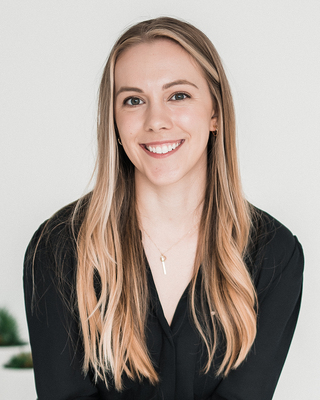
Through an intuitive eating and Health At Every Size approach, I specialize in treating eating disorders, disordered eating, and body image concerns.
As an eating disorder dietitian, I am committed to helping you find a peaceful, enjoyable relationship with food and your body! At Run Whole Nutrition, you will not be shamed for your body size, prescribed a dieting intervention that doesn’t work, or be subject to weight discrimination. Together, we will discover a pattern of eating, moving, and living that truly enhances your health and well-being.
Through an intuitive eating and Health At Every Size approach, I specialize in treating eating disorders, disordered eating, and body image concerns.
As an eating disorder dietitian, I am committed to helping you find a peaceful, enjoyable relationship with food and your body! At Run Whole Nutrition, you will not be shamed for your body size, prescribed a dieting intervention that doesn’t work, or be subject to weight discrimination. Together, we will discover a pattern of eating, moving, and living that truly enhances your health and well-being.
More Dietitians and Nutritionists Nearby
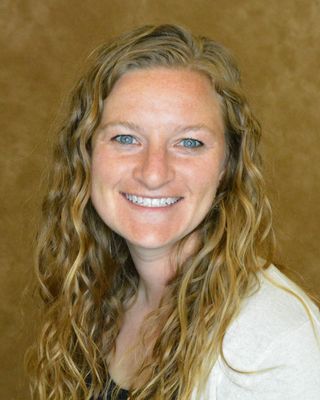
I have been a registered dietitian since 2016 and received my board certification in sports nutrition in 2024 and I have experience working with eating disorders since 2020.
Hi! I am a board-certified sports dietitian that specializes in disordered eating. I love working with high school & college aged athletes that want to improve performance. These athletes may be experiencing an unhealthy relationship with food or body image and are looking to change their relationship with food and be more confident in the body that they have.
I have been a registered dietitian since 2016 and received my board certification in sports nutrition in 2024 and I have experience working with eating disorders since 2020.
Hi! I am a board-certified sports dietitian that specializes in disordered eating. I love working with high school & college aged athletes that want to improve performance. These athletes may be experiencing an unhealthy relationship with food or body image and are looking to change their relationship with food and be more confident in the body that they have.
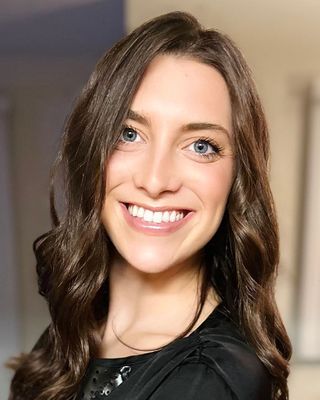
Kelli is a Registered Dietitian accepting patients both virtually and in person in the NKY area & Greater Cincinnati Area. Kelli enjoys helping her clients meal plan and work through sustainable changes that meet their current health goals. She is a big believer in having a healthy mindset around food, and passionate about preventive nutrition! Kelli will spend extensive time reviewing your health history, goals and setting a plan that gives you confidence in navigating your desired health goals.
Kelli is a Registered Dietitian accepting patients both virtually and in person in the NKY area & Greater Cincinnati Area. Kelli enjoys helping her clients meal plan and work through sustainable changes that meet their current health goals. She is a big believer in having a healthy mindset around food, and passionate about preventive nutrition! Kelli will spend extensive time reviewing your health history, goals and setting a plan that gives you confidence in navigating your desired health goals.
Online Dietitians and Nutritionists
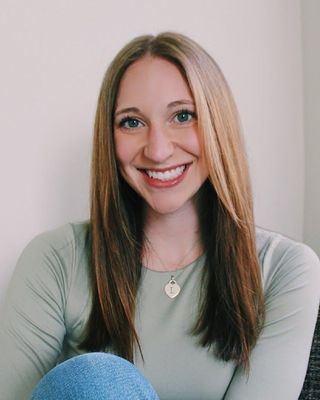
I can help with eating disorders, food anxiety, and navigating nutrition as a neurodivergent person.
I love working with individuals navigating eating disorder recovery who are looking for a supportive, nonjudgmental approach to nutrition. I have a special passion for working with neurodivergent clients and I thoughtfully adapt care to honor each person’s unique needs. My approach is weight-inclusive and trauma-informed, with a focus on helping clients feel safer with food, reduce overwhelm, and build a more flexible, sustainable relationship with eating.
I can help with eating disorders, food anxiety, and navigating nutrition as a neurodivergent person.
I love working with individuals navigating eating disorder recovery who are looking for a supportive, nonjudgmental approach to nutrition. I have a special passion for working with neurodivergent clients and I thoughtfully adapt care to honor each person’s unique needs. My approach is weight-inclusive and trauma-informed, with a focus on helping clients feel safer with food, reduce overwhelm, and build a more flexible, sustainable relationship with eating.
I specialize in mental health nutrition, including disordered eating, ADHD, binge-eating disorder, OCD, ARFID, anorexia, and bulimia.
Hello! My name is Samantha Smith-Bowman, and I’m an experienced dietitian focused on the mental health aspects of nutrition. If you know nutrition matters but aren’t sure how to change your habits—or you’ve tried before and nothing seems to stick—you’re not alone. Many plans don’t match how your brain works. Together, we’ll build an individualized approach with small, sustainable steps to support your goals, whether that’s diabetes management, improved labs, disordered eating behaviors, or other medical needs.
I specialize in mental health nutrition, including disordered eating, ADHD, binge-eating disorder, OCD, ARFID, anorexia, and bulimia.
Hello! My name is Samantha Smith-Bowman, and I’m an experienced dietitian focused on the mental health aspects of nutrition. If you know nutrition matters but aren’t sure how to change your habits—or you’ve tried before and nothing seems to stick—you’re not alone. Many plans don’t match how your brain works. Together, we’ll build an individualized approach with small, sustainable steps to support your goals, whether that’s diabetes management, improved labs, disordered eating behaviors, or other medical needs.
Eating Disorders Nutritionists and Dietitians
What are the most common types of eating disorders?
The most common types of eating disorders include anorexia nervosa, bulimia nervosa, binge eating disorder, and avoidant/restrictive food intake disorder (ARFID). Individuals may also be diagnosed with "other specified feeding or eating disorder" (OSFED), which is a type of eating disorder diagnosed when a client does not meet the full criteria for anorexia, bulimia, or binge eating disorder but still experiences significant distress related to eating.
What diet is best for eating disorder recovery?
Because eating disorders vary widely in symptoms and severity, there is no single best diet for recovery. While not all individuals with eating disorders are underweight and require weight gain during recovery, those who do may particularly benefit from consuming balanced meals on a more structured schedule. This approach helps establish a regular eating pattern and regulate hunger cues. In general, eating disorder dietitians recommend that clients focus on improving their overall relationship with food and eliminating certain "food rules," while also ensuring they consume an appropriate amount. For example, clients with anorexia nervosa often have significant fears surrounding the consumption of high-calorie foods; dietitians may encourage these clients to include such foods in their diet in a balanced manner to help facilitate recovery and achieve a more normalized state of eating. Conversely, clients with bulimia or binge eating disorder may benefit from a diet that avoids foods that are particularly triggering for them to binge on. Many clients with eating disorders benefit from seeing a dietitian who specializes in eating disorders in order to ensure that their diet meets their specific recovery-related needs.
How are eating disorders treated?
Eating disorder treatment often involves a multidisciplinary team of clinicians working together to address the various aspects of the condition. A physician typically monitors physical changes and health problems, a therapist addresses underlying thoughts and emotions, and a dietitian develops a plan to help the patient achieve and maintain a healthy weight. While most individuals can be treated in an outpatient setting, some may require more intensive care provided by residential or inpatient facilities. In addition, early intervention for disordered eating can significantly increase the likelihood of a successful recovery, and ongoing support and monitoring are also crucial to prevent relapse and sustain progress.
How do dietitians help people with eating disorders?
Nutrition counseling is a crucial component of eating disorder recovery, and dietitians play a vital role in this process. They help clients develop personalized meal plans to meet their nutritional goals, which is particularly beneficial for those who need to gain weight after periods of food restriction. Dietitians also encourage healthier eating patterns by helping clients incorporate foods they may have previously avoided due to eating disorder behaviors. Additionally, eating disorder dietitians often collaborate with other members of the client's care team, such as medical doctors, psychiatrists, and therapists, to provide comprehensive support. This multidisciplinary approach is especially important for clients with medical conditions related to their eating disorder, such as heart issues or electrolyte imbalances, which require close supervision by a medical doctor in coordination with a dietitian.