Weight Loss/Weight Management Nutritionists and Dietitians in Reno County, KS
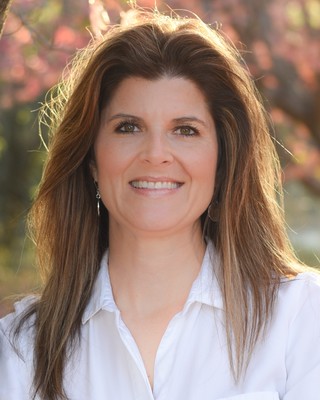
As an integrative functional dietitian nutritionist, my passion is to educate my clients about health and wellness in order to prevent nutrition-related diseases. I believe that preventive care is crucial for helping to achieve optimal health. You can feel confident that I will handle your needs on an individual basis and provide you with your own “custom fit”.
As an integrative functional dietitian nutritionist, my passion is to educate my clients about health and wellness in order to prevent nutrition-related diseases. I believe that preventive care is crucial for helping to achieve optimal health. You can feel confident that I will handle your needs on an individual basis and provide you with your own “custom fit”.
Online Dietitians and Nutritionists

My ideal client is a woman with PCOS who feels overwhelmed, unheard, or frustrated by conflicting advice. She wants clear answers, evidence-based nutrition guidance, and a plan that supports ovulation, hormone balance, and fertility without extremes. Her goal is to feel confident in her body again, understand her labs and symptoms, and take sustainable steps toward pregnancy and long-term metabolic health—with compassionate, realistic, and empowering support.
My ideal client is a woman with PCOS who feels overwhelmed, unheard, or frustrated by conflicting advice. She wants clear answers, evidence-based nutrition guidance, and a plan that supports ovulation, hormone balance, and fertility without extremes. Her goal is to feel confident in her body again, understand her labs and symptoms, and take sustainable steps toward pregnancy and long-term metabolic health—with compassionate, realistic, and empowering support.
Specialties: Eating disorders and disordered eating, intuitive eating, weight management, general nutrition, women’s health and wellness, Type II diabetes, and fostering a positive relationship with food and self in a safe, supportive environment.
Ashlee is a registered dietitian with a passion for helping clients build healthier lives through nutrition. She chose dietetics to support individuals in creating sustainable habits while feeling guided and supported throughout their journey. With both personal and professional experience in eating disorder recovery, this population is especially close to her heart. Ashlee is dedicated to helping clients develop a positive relationship with food and their bodies using compassion, evidence-based care, and lived experience.
Specialties: Eating disorders and disordered eating, intuitive eating, weight management, general nutrition, women’s health and wellness, Type II diabetes, and fostering a positive relationship with food and self in a safe, supportive environment.
Ashlee is a registered dietitian with a passion for helping clients build healthier lives through nutrition. She chose dietetics to support individuals in creating sustainable habits while feeling guided and supported throughout their journey. With both personal and professional experience in eating disorder recovery, this population is especially close to her heart. Ashlee is dedicated to helping clients develop a positive relationship with food and their bodies using compassion, evidence-based care, and lived experience.
Weight Loss/Weight Management Nutritionists and Dietitians
Why is nutrition important for weight loss?
Dietitians often identify diet and exercise as the two key factors in achieving weight loss goals. To lose weight, individuals must consume fewer calories than they expend, making a supportive diet essential. Foods that are satiating, such as the healthy fats found in nuts or fish like salmon, can help keep individuals full longer and reduce overall intake. In contrast, foods high in sugar and refined carbohydrates are quickly burned by the body and can lead to excessive caloric intake. These examples highlight the importance of overall nutrition choices, beyond just calorie counting, in weight loss. Additionally, a well-balanced diet can help reduce symptoms of conditions associated with obesity or being overweight, such as high blood sugar and hypertension.
What diet is best for weight loss?
There is no single best diet for weight loss; instead, dietitians often advocate for adopting overall lifestyle changes that support sustainable weight loss rather than extreme, short-term diets. Generally, dietary changes that include more plant-based foods and those low in added sugars and saturated fats are recommended. One example of such a diet is the Mediterranean-style diet, which emphasizes whole grains, fruits, vegetables, nuts, and lean sources of animal protein. Specific dietary patterns may also be tailored to the client's underlying health conditions. For instance, individuals with hypertension or high cholesterol might benefit from the DASH diet (Dietary Approaches to Stop Hypertension), which focuses on heart-healthy foods.
What foods should I avoid for weight loss?
When aiming for weight loss, dietitians generally advise against consuming high-calorie and highly-processed foods, such as fried foods, fatty meats, sugar-rich desserts or baked goods, refined carbohydrates like white bread, and candy. Additionally, beverages such as sodas and high-calorie coffee drinks can negatively impact weight loss goals. Instead, nutrition professionals recommend incorporating foods that contribute to satiety and overall health, including fruits and vegetables, lean proteins, healthy fats, and whole grains. Focusing on adding these nutrient-dense foods, instead of taking away certain foods, can support a healthier lifestyle and help individuals both meet their nutritional needs while also achieving their weight loss goals.
How can a dietitian help with weight loss?
Dietitians assist with weight loss by helping clients develop and implement lifestyle changes, including dietary modifications and exercise routines, that support sustained weight management. They will work with clients to create personalized weight loss plans and hold them accountable for meeting their goals. Dietitians may also address the psychological aspects of weight loss, promoting positive self-esteem and self-worth. Many encourage clients to keep a food diary or journal to track their diet and provide ongoing guidance as the client makes the recommended lifestyle changes. Additionally, dietitians may coordinate with other healthcare professionals, such as medical doctors, to address any underlying health conditions, such as diabetes.