Cholesterol Nutritionists and Dietitians in Reno County, KS
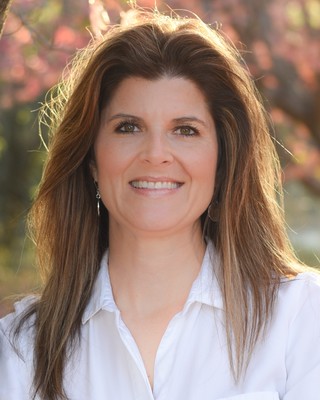
As an integrative functional dietitian nutritionist, my passion is to educate my clients about health and wellness in order to prevent nutrition-related diseases. I believe that preventive care is crucial for helping to achieve optimal health. You can feel confident that I will handle your needs on an individual basis and provide you with your own “custom fit”.
As an integrative functional dietitian nutritionist, my passion is to educate my clients about health and wellness in order to prevent nutrition-related diseases. I believe that preventive care is crucial for helping to achieve optimal health. You can feel confident that I will handle your needs on an individual basis and provide you with your own “custom fit”.
Online Dietitians and Nutritionists

My ideal client is a woman with PCOS who feels overwhelmed, unheard, or frustrated by conflicting advice. She wants clear answers, evidence-based nutrition guidance, and a plan that supports ovulation, hormone balance, and fertility without extremes. Her goal is to feel confident in her body again, understand her labs and symptoms, and take sustainable steps toward pregnancy and long-term metabolic health—with compassionate, realistic, and empowering support.
My ideal client is a woman with PCOS who feels overwhelmed, unheard, or frustrated by conflicting advice. She wants clear answers, evidence-based nutrition guidance, and a plan that supports ovulation, hormone balance, and fertility without extremes. Her goal is to feel confident in her body again, understand her labs and symptoms, and take sustainable steps toward pregnancy and long-term metabolic health—with compassionate, realistic, and empowering support.
Ashlee is a registered dietitian with a passion for helping clients build healthier lives through nutrition. She chose dietetics to support individuals in creating sustainable habits while feeling guided and supported throughout their journey. With both personal and professional experience in eating disorder recovery, this population is especially close to her heart. Ashlee is dedicated to helping clients develop a positive relationship with food and their bodies using compassion, evidence-based care, and lived experience.
Ashlee is a registered dietitian with a passion for helping clients build healthier lives through nutrition. She chose dietetics to support individuals in creating sustainable habits while feeling guided and supported throughout their journey. With both personal and professional experience in eating disorder recovery, this population is especially close to her heart. Ashlee is dedicated to helping clients develop a positive relationship with food and their bodies using compassion, evidence-based care, and lived experience.
Cholesterol Nutritionists and Dietitians
What is cholesterol?
Cholesterol is a fat-like substance found in the blood that is essential for forming healthy cells and ensuring regular body functions. Although cholesterol often has a negative reputation, it plays a crucial role in our health. There are several types of cholesterol, including low-density lipoprotein (LDL) and high-density lipoprotein (HDL). The balance between these types is more important than eliminating cholesterol entirely. In general HDL is considered to be the "good" form of cholesterol, while LDL is considered to be the "bad" form associated with conditions such as cardiovascular diseases. Individuals with high levels of LDL cholesterol circulating in their blood are at an increased risk of heart attack and stroke, as a result of plaque build-up on the interior of the body's arteries.
How does diet affect cholesterol?
While many individuals with high cholesterol are prescribed medications to help lower their levels, lifestyle changes—especially dietary modifications—are considered the first line of treatment. Reducing the consumption of foods high in saturated and trans fats, such as fatty meats, cream, butter, and pastries, helps lower cholesterol. Conversely, consuming sufficient fiber, healthy fats (like those found in salmon and nuts), and low-fat proteins can help lower LDL levels and improve cardiovascular health.
What diet is best if you have high cholesterol?
In general, experts recommend a plant-based diet high in fiber, healthy fats, and lean protein as the best nutrition approach to lowering blood cholesterol levels. The "Mediterranean diet," characterized by the consumption of lots of healthy fats, vegetables, beans, and whole grains is one common diet with abundant evidence supporting its efficacy in reducing blood cholesterol levels and preventing cardiovascular and metabolic diseases. The Dietary Approaches to Stop Hypertension (DASH) diet is another common diet shown to reduce cholesterol levels; the DASH diet emphasizes the consumption of fruits, vegetables, whole grains, and low fat dairy products with a particular focus on reducing the consumption of saturated fats. Conversely, diets that include the consumption of large amounts of protein and fats—such as the keto diet and atkins diet—are generally not recommended for those with high cholesterol levels due to the high levels of saturated and trans fats that such diets can include.
Why is it useful to see a dietitian if you have high cholesterol?
Dietitians are specifically trained to use diet modifications to manage health, so consulting a dietitian if you have high cholesterol can be greatly beneficial. They can help construct a diet that lowers cholesterol and promotes a healthier lifestyle. Dietitians can assist clients in identifying foods that are low in cholesterol and those that support overall health. They can also help hold clients accountable for their nutrition and provide resources for other lifestyle modifications that support blood cholesterol reduction, such as exercise, smoking cessation, and alcohol consumption reduction. Additionally, dietitians can assist in managing other chronic diseases often associated with high cholesterol, such as kidney conditions, diabetes, and heart disease.