Diabetes Nutritionists and Dietitians in Hutchinson, KS

As an integrative functional dietitian nutritionist, my passion is to educate my clients about health and wellness in order to prevent nutrition-related diseases. I believe that preventive care is crucial for helping to achieve optimal health. You can feel confident that I will handle your needs on an individual basis and provide you with your own “custom fit”.
As an integrative functional dietitian nutritionist, my passion is to educate my clients about health and wellness in order to prevent nutrition-related diseases. I believe that preventive care is crucial for helping to achieve optimal health. You can feel confident that I will handle your needs on an individual basis and provide you with your own “custom fit”.
Online Dietitians and Nutritionists
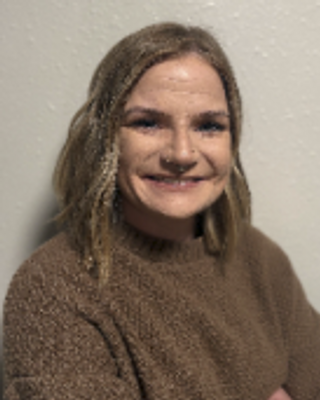
Specialties: Eating disorders and disordered eating, intuitive eating, weight management, general nutrition, women’s health and wellness, Type II diabetes, and fostering a positive relationship with food and self in a safe, supportive environment.
Ashlee is a registered dietitian with a passion for helping clients build healthier lives through nutrition. She chose dietetics to support individuals in creating sustainable habits while feeling guided and supported throughout their journey. With both personal and professional experience in eating disorder recovery, this population is especially close to her heart. Ashlee is dedicated to helping clients develop a positive relationship with food and their bodies using compassion, evidence-based care, and lived experience.
Specialties: Eating disorders and disordered eating, intuitive eating, weight management, general nutrition, women’s health and wellness, Type II diabetes, and fostering a positive relationship with food and self in a safe, supportive environment.
Ashlee is a registered dietitian with a passion for helping clients build healthier lives through nutrition. She chose dietetics to support individuals in creating sustainable habits while feeling guided and supported throughout their journey. With both personal and professional experience in eating disorder recovery, this population is especially close to her heart. Ashlee is dedicated to helping clients develop a positive relationship with food and their bodies using compassion, evidence-based care, and lived experience.

My ideal client is a woman with PCOS who feels overwhelmed, unheard, or frustrated by conflicting advice. She wants clear answers, evidence-based nutrition guidance, and a plan that supports ovulation, hormone balance, and fertility without extremes. Her goal is to feel confident in her body again, understand her labs and symptoms, and take sustainable steps toward pregnancy and long-term metabolic health—with compassionate, realistic, and empowering support.
My ideal client is a woman with PCOS who feels overwhelmed, unheard, or frustrated by conflicting advice. She wants clear answers, evidence-based nutrition guidance, and a plan that supports ovulation, hormone balance, and fertility without extremes. Her goal is to feel confident in her body again, understand her labs and symptoms, and take sustainable steps toward pregnancy and long-term metabolic health—with compassionate, realistic, and empowering support.
Diabetes Nutritionists and Dietitians
What is diabetes?
Diabetes is a metabolic condition characterized by excessively high blood sugar levels due to insufficient insulin. Insulin is a hormone essential for reducing blood sugar by enabling cells to absorb glucose from the bloodstream. Type 1 diabetes is an autoimmune condition where the pancreas fails to produce enough insulin due to an inflammatory process affecting insulin-producing cells. In contrast, type 2 diabetes is an acquired condition resulting from a combination of genetic and lifestyle factors, such as obesity and physical inactivity. In type 2 diabetes, the body has an impaired response to insulin, known as "insulin resistance." Even if the pancreas produces a normal amount of insulin, the body stops responding effectively to the hormone, resulting in impaired glucose uptake into cells.
Is type 2 diabetes caused by a bad diet?
Type 2 diabetes is a complex disease influenced by both genetic and lifestyle factors. Research has shown that poor diet is a major contributor, particularly the consumption of sugar-rich foods and refined carbohydrates, which can lead to insulin resistance. An unhealthy diet promoting obesity is another risk factor, as excess weight increases the likelihood of developing type 2 diabetes. Additional lifestyle factors such as physical inactivity, smoking, and excessive alcohol consumption also contribute to the disease's onset. These elements collectively underscore the importance of healthy diet choices in preventing type 2 diabetes.
How does nutrition affect diabetes?
Nutrition plays a vital role in managing both type 1 and type 2 diabetes. Keeping track of carbohydrate intake is essential for proper insulin dosing and maintaining healthy blood sugar levels. To manage blood sugar effectively, many people with diabetes avoid foods that cause spikes in blood sugar, like sugary snacks and refined carbs such as white bread. Instead, they focus on foods that help stabilize blood sugar, like healthy fats and high-fiber options. Portion control and eating meals at regular times are also important for keeping blood sugar levels steady.
How can a dietitian help someone with diabetes?
Dietitians play a crucial role in assisting individuals with diabetes through lifestyle modification strategies and symptom management. Their expertise is particularly valuable for those recently diagnosed or at risk of developing diabetes. Dietitians provide guidance on tracking carbohydrate intake and appropriately dosing insulin, which is essential for effective diabetes management. For individuals with type 2 diabetes, dietitians can help design weight loss plans and recommend specific dietary modifications, such as increasing the intake of plant-based foods, to promote a healthier lifestyle. In addition, dietitians will often work with other medical professionals on a patient's care team to help the patient navigate symptoms and can thus help the patient integrate input from various professional sources in the management of their condition.