Plant Based Diets Nutritionists and Dietitians in Bartholomew County, IN

I believe every person deserves the chance to live a happy, healthy life. That's why I do what I do and live to inspire change by teaching foundational holistic health principles paired with a highly individualized integrative lens I take into every client conversation. Nutrition & Health doesn't have to be complex and complicated, confusing and frustrating... but yet far too many people are suffering from poor health, a broken standard healthcare system, and a society that doesn't help them live their life to the healthiest of their abilities. It's not easy going against the status quo, but IT IS necessary. Are you ready?
I believe every person deserves the chance to live a happy, healthy life. That's why I do what I do and live to inspire change by teaching foundational holistic health principles paired with a highly individualized integrative lens I take into every client conversation. Nutrition & Health doesn't have to be complex and complicated, confusing and frustrating... but yet far too many people are suffering from poor health, a broken standard healthcare system, and a society that doesn't help them live their life to the healthiest of their abilities. It's not easy going against the status quo, but IT IS necessary. Are you ready?
Online Dietitians and Nutritionists
My ideal client struggles with diabetes or pre-diabetes & disordered eating. They've been told by medical professionals that weight loss or restricting carbs will improve their A1c and their health, but many clients are left confused, frustrated, and even hopeless. They want to improve their health and prevent diabetic complications without going on crazy diets or losing weight and gaining it back. They don't want to be shamed or afraid of eating their favorite foods. They want to learn what works best for their bodies and create sustainable, healthy habits to improve wellbeing now and in the future.
My ideal client struggles with diabetes or pre-diabetes & disordered eating. They've been told by medical professionals that weight loss or restricting carbs will improve their A1c and their health, but many clients are left confused, frustrated, and even hopeless. They want to improve their health and prevent diabetic complications without going on crazy diets or losing weight and gaining it back. They don't want to be shamed or afraid of eating their favorite foods. They want to learn what works best for their bodies and create sustainable, healthy habits to improve wellbeing now and in the future.

Erin provides evidence-based nutrition care for weight management, GLP-1 support, plant-based eating (vegan/vegetarian), and food intolerances.
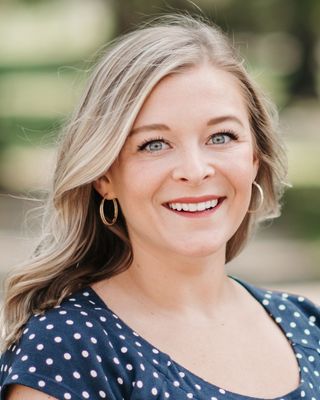
Erin is a Registered Dietitian who takes a patient-centered, collaborative approach to nutrition. She believes there is no one-size-fits-all plan and works with patients to explore their habits, goals, and lifestyle. Erin creates practical, personalized strategies that fit each person’s life, focusing on sustainable habits, confidence, and a positive relationship with food to support long-term health and well-being.
Erin provides evidence-based nutrition care for weight management, GLP-1 support, plant-based eating (vegan/vegetarian), and food intolerances.
Erin is a Registered Dietitian who takes a patient-centered, collaborative approach to nutrition. She believes there is no one-size-fits-all plan and works with patients to explore their habits, goals, and lifestyle. Erin creates practical, personalized strategies that fit each person’s life, focusing on sustainable habits, confidence, and a positive relationship with food to support long-term health and well-being.
Plant Based Diets Nutritionists and Dietitians
What is a plant-based diet?
A plant-based diet emphasizes the consumption of foods such as vegetables, fruits, whole grains, legumes, nuts, and seeds, while reducing or eliminating animal products like meat and dairy. Unlike a vegan diet, which excludes all animal products, a plant-based diet does not necessarily require complete elimination of animal-based foods, although some individuals choose to do so. Many people following a plant-based diet also aim to incorporate more "whole foods" into their meals, favoring less-processed options over highly processed foods. For example, they might choose brown rice over white bread or fresh fruits over baked goods. The focus is on eating nutrient-dense, natural foods to promote overall health and well-being.
What are the benefits of a plant-based diet?
Research has shown that a plant-based diet offers numerous health benefits, including weight loss, lowered cholesterol levels, reduced blood pressure, and better blood sugar control. These benefits can arise from eating fewer animal-based foods, which are high in saturated fats, or from the weight loss that many people experience when starting a plant-based diet. Additionally, plant-based diets are known for their anti-inflammatory effects, which support a healthy immune system and may be particularly helpful for those with inflammatory conditions, such as arthritis. Plant-based diets are also high in fiber, which improves digestive health and can help stabilize blood sugar levels.
Who should follow a plant-based diet?
Anyone can follow a plant-based diet, and many nutrition and medical professionals encourage its adoption due to the numerous health benefits associated with consuming more plants and reducing animal-based products. People may also choose a plant-based diet for environmental and ethical reasons. For health-related benefits, a plant-based diet can be particularly advantageous for individuals diagnosed with or at risk of developing chronic diseases such as cardiovascular disease, kidney disease, and certain inflammatory conditions. Since many chronic diseases are related to obesity, the weight management benefits of a plant-based diet are especially valuable. Additionally, a plant-based diet can help reduce cholesterol levels, improve blood pressure, and enhance insulin sensitivity.
How do I start a plant-based diet?
A plant-based diet can be started at any time and may even be a more accessible option for individuals not ready to completely eliminate animal-based products from their diet. Many people start a plant-based diet slowly, such as with substituting meat or dairy for alternative products just a few times a week; for instance, finding easy swaps—such as whole grains in place of white bread products and beans or tofu in lieu of meat products—can be a great way to start eating a more plant-based diet. In addition, working to plan more meals ahead of time and constructing plant-based grocery store lists may be beneficial to ensure that consuming a plant-based meal is an accessible option when first getting started.